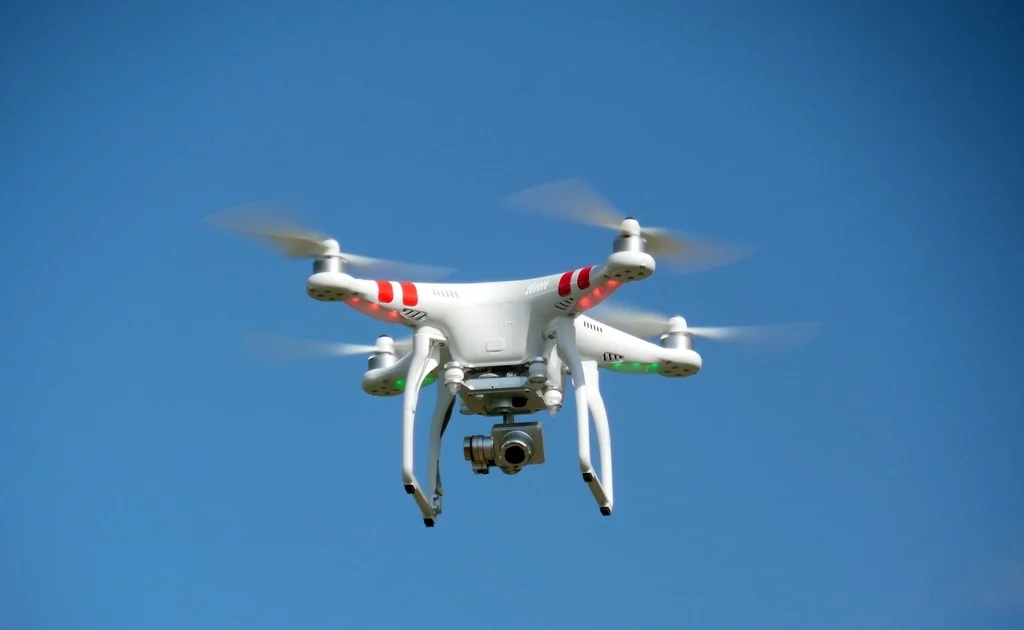
Quick Verdict: The DJI Air 3S is the most capable mid-range camera drone available in 2026. Its one-inch CMOS primary sensor with 14 stops of dynamic range, dual-camera system (wide + 70mm medium tele), 4K/120fps slow motion, and LiDAR-powered nighttime obstacle sensing represent a meaningful step up from any sub-$1,000 competitor. At $1,099 for the base kit and $1,399 for the Fly More Combo, it occupies the sweet spot between enthusiast travel drones and professional-grade aerial systems. If image quality is the priority and the Mini 4 Pro’s 1/1.3-inch sensor consistently disappoints in dynamic or low-light conditions, the Air 3S is the definitive upgrade.
| Spec | Detail |
|---|---|
| Weight | ~548 g |
| Primary Sensor | 1-inch CMOS, 50MP, f/1.8–f/11 adjustable aperture |
| Secondary Sensor | 1/1.3-inch CMOS, 48MP, 70mm medium tele (3× optical equivalent) |
| Dynamic Range | 14 stops |
| Max Video | 4K/120fps (wide); 4K/60fps (tele) |
| Stabilization | 3-axis gimbal + RockSteady 3.0 + HorizonSteady |
| Max Flight Time | 45 min (claimed); 35–40 min typical |
| Transmission | O4 — up to 20 km, 1080p/60fps |
| Obstacle Sensing | Omnidirectional + forward-facing LiDAR (nighttime sensing) |
| Intelligent Modes | ActiveTrack 360°, Spotlight, Point of Interest, MasterShots, Hyperlapse, QuickShots |
| Price (approx.) | $1,099 (base) – $1,399 (Fly More Combo) |
Background and Context
DJI launched the Air 3S in late 2024 as a successor to the Air 3, then refreshed it with a forward-facing LiDAR module in early 2026 — making it one of the few consumer drones with genuine nighttime obstacle sensing capability. This overview is synthesized from DJI’s published specifications and analysis from Soldrones, MyDearDrone, RadarGit, and B&H editorial coverage. No placement fee was received; recommendations are editorially independent.
Camera System: The One-Inch Advantage
The primary wide camera uses a one-inch CMOS sensor — larger than any sensor found in the sub-$1,000 drone segment. The practical impact is 14 stops of dynamic range (versus approximately 12 on the Mini 4 Pro’s 1/1.3-inch sensor), which translates to meaningfully more recoverable highlight and shadow detail in high-contrast scenes: sunsets with foreground detail, interior-to-exterior transitions, and golden-hour aerial photography where the sky and ground sit three or more stops apart. The adjustable aperture (f/1.8 to f/11) adds genuine creative control — a shallow-focus look on aerial video, or stopped-down landscape sharpness, both within reach without neutral density filter management.
The secondary 70mm medium telephoto camera (1/1.3-inch, 48MP) adds a creative perspective that single-camera drones cannot match. At 70mm equivalent field of view, subjects read differently — flatter, more compressed — and urban photography or wildlife work benefits from the reach. Shooting 4K/60fps on the tele camera with a parallax-free switch between focal lengths is a workflow improvement that experienced aerial shooters will use constantly.
The LiDAR Upgrade: Why It Matters
The 2026 refresh added a forward-facing LiDAR sensor, enabling omnidirectional obstacle sensing in low-light and nighttime conditions where camera-based vision sensing fails. Most drones — including the Mini 4 Pro and the original Air 3 — have limited or no reliable obstacle sensing at night, forcing pilots to either fly manually in the dark with heightened risk, or avoid night flying entirely. The Air 3S with LiDAR changes that calculus: nighttime cityscape footage, light painting, and dawn/dusk shooting become significantly safer. This is a genuine differentiator in the mid-range segment.
Flight Performance
DJI claims 45 minutes of flight time; real-world reviewers report 35–40 minutes in typical flying conditions with active stabilization and moderate wind. That still places the Air 3S among the longer-endurance options in its class. The O4 transmission system provides the same 20 km FHD range as the Mini 4 Pro. Maximum speed is approximately 21 m/s in Sport mode. APAS 5.0 omnidirectional obstacle sensing operates across all directions in normal and Cine modes; in Sport mode, sensing is disabled (standard across DJI’s lineup).
Intelligent Features
ActiveTrack 360° carries over from the Mini 4 Pro and works across both cameras. MasterShots generates automated cinematographic sequences with the additional creative variation that two focal lengths provide — wide establishing shots paired with tele close-ups, automatically sequenced and edited. QuickShots (Dronie, Helix, Rocket, Boomerang, Asteroid, Circle) are consistently reliable for solo content. Hyperlapse and Waypoints round out the intelligent flight suite.
Who It’s For
Best for: Aerial photographers and videographers who have outgrown smaller-sensor drones; real estate and commercial operators who need strong dynamic range and a second focal length; content creators who shoot at dusk, dawn, or night and need reliable obstacle sensing in low light; anyone who wants one drone to handle both wide-angle and medium-tele perspectives.
Skip it if: Portability and the 249g threshold are your primary concerns (the Mini 4 Pro is the right choice); your budget caps below $1,000; you primarily fly FPV and image quality is secondary to maneuverability.
Strengths and Limitations
Strengths:
- One-inch CMOS with 14 stops dynamic range — the largest sensor in its class at this price
- Dual-camera system: 24mm wide + 70mm medium tele, both shooting 4K
- 4K/120fps on the primary wide camera for genuine slow-motion footage
- Forward-facing LiDAR enables reliable obstacle sensing in low light and at night
- Adjustable aperture (f/1.8–f/11) for creative depth-of-field control
- 35–40 minutes real-world flight time — strong endurance for the class
- ActiveTrack 360°, MasterShots, and full suite of QuickShots
Limitations:
- ~548 g — significantly heavier than the Mini 4 Pro; does not benefit from the 249g exemption
- $1,099+ entry price — meaningfully more expensive than the sub-$900 Mini 4 Pro
- Larger folded footprint: less pocketable than the Mini series
- Fly More Combo at $1,399 adds cost for the multi-battery setup
- Not weather-sealed — still a fair-weather drone despite advanced sensing
- Tele camera is 1/1.3-inch (not one-inch) — slightly lower dynamic range on the second camera
Alternatives Worth Considering
DJI Mini 4 Pro — Best Lightweight Alternative
At $759–$911, the Mini 4 Pro saves $200–$300 versus the Air 3S base kit and comes in at 249g — below the FAA recreational registration threshold. The trade-off is a smaller 1/1.3-inch sensor with less dynamic range, no second camera, and no LiDAR. For travel-focused buyers who prioritize portability over maximum image quality, the Mini 4 Pro is the better fit.
DJI Air 3 — The Previous Generation at a Discount
The DJI Air 3 (2023) shares the dual-camera wide-and-tele system and can often be found at a meaningful discount now that the Air 3S has replaced it. It uses two 1/1.3-inch sensors rather than the Air 3S’s one-inch primary, and lacks LiDAR. A solid option if budget is the constraint and you can accept the sensor step-down.
Autel EVO Lite+ — One-Inch Sensor Alternative
The Autel EVO Lite+ offers a one-inch CMOS sensor and 6K video from a non-DJI ecosystem at a competitive price. It lacks the Air 3S’s dual-camera system and LiDAR, and the obstacle sensing is less sophisticated, but it is a legitimate image-quality alternative for buyers who prefer Autel’s platform or simply want a capable single-camera one-inch drone.
Frequently Asked Questions
What makes the DJI Air 3S different from the Air 3?
The Air 3S replaces the Air 3’s dual 1/1.3-inch camera system with a one-inch primary wide camera, adds LiDAR for nighttime obstacle sensing, supports 4K/120fps slow motion, and adds the adjustable aperture (f/1.8–f/11). The Air 3S is a meaningful upgrade for photographers who need better dynamic range and night flying capability; the Air 3 remains available at a discount for buyers who find the step-up price prohibitive.
Does the DJI Air 3S need FAA registration?
Yes. At approximately 548 grams, the Air 3S falls well above the 250-gram recreational exemption threshold. Recreational pilots in the US must register the drone with the FAA ($5 fee, valid three years) and follow recreational flyer rules. Commercial operators need a Part 107 Remote Pilot Certificate. The registration process is straightforward; it does not restrict where you can fly, only requires the registration number to be displayed on the drone.
Can the DJI Air 3S shoot in D-Log?
Yes — the Air 3S supports D-Log M (a gentler log profile suited to editing in consumer NLEs like Premiere Pro and Final Cut) and HLG (Hybrid Log Gamma, suitable for HDR display output). D-Log M provides noticeably more flexibility in recovering highlights and shadows compared to the standard color profile, and is recommended for any footage that will go through a color grading step.
How does the dual-camera system work in practice?
The pilot can switch between the 24mm wide-angle and 70mm medium telephoto cameras either manually via the remote controller or by using the drone’s intelligent shooting modes. There is no optical zoom bridge between the two focal lengths — the switch is discrete. In practice, most aerial shooters find themselves naturally using wide for establishing shots and the tele for detail and compression, then cutting between the two in post.
Is the DJI Air 3S worth buying in 2026 or should I wait for a successor?
The Air 3S with LiDAR refresh in early 2026 represents the current generation and is a well-supported platform with no announced successor as of mid-2026. Waiting for a future model is always a possibility with any tech purchase, but the Air 3S delivers a genuinely complete feature set today. If you are currently limited by an older drone’s image quality or safety features, purchasing now makes sense rather than waiting indefinitely for an unconfirmed upgrade.
Final Verdict
The DJI Air 3S is the clear recommendation for aerial photographers who have specific reasons to reach beyond the Mini 4 Pro: a one-inch sensor’s dynamic range advantage is real and visible in challenging lighting, the dual-camera system opens compositional options a single fixed lens cannot, and the LiDAR module is a genuine safety and creative capability upgrade for low-light flying. The $1,099 base price is a meaningful investment, but it buys you the best mid-range drone DJI has produced — and in the context of professional or serious content creation, it pays for itself quickly.
Last updated: June 2026
See our main guide: Best Drones.