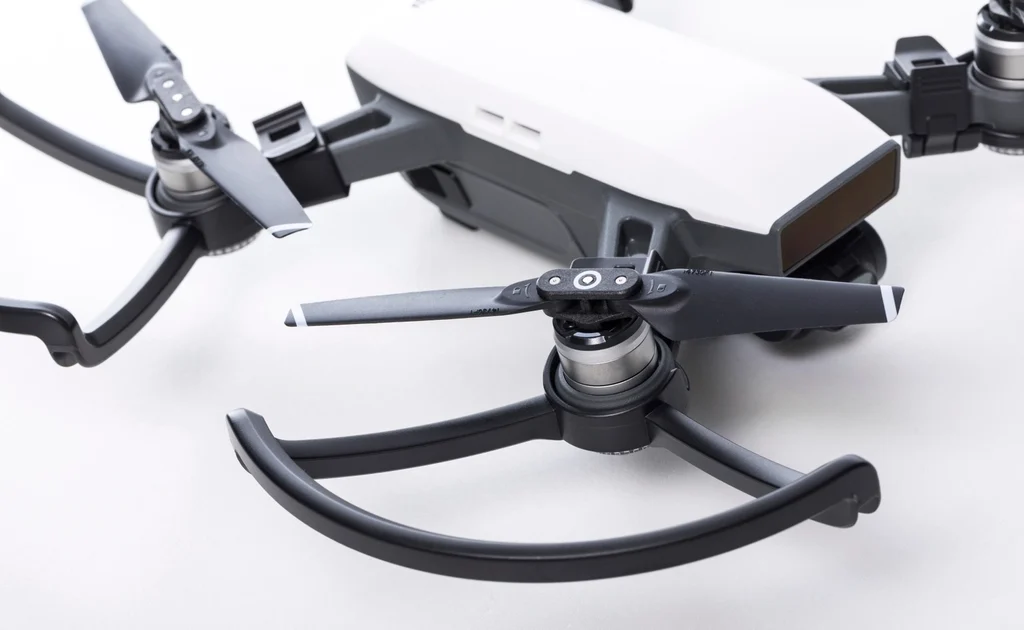
Quick Verdict: The DJI Mini 4 Pro vs DJI Air 3 comparison comes down to one question: does the 249-gram weight limit matter to you? If yes — travel-light philosophy, recreational FAA exemption, or jacket-pocket portability — the Mini 4 Pro is the correct choice despite having a smaller sensor. If image quality in demanding lighting, a dual-camera system, or longer raw endurance are the priority, the Air 3 (now often available at a meaningful discount versus the newer Air 3S) delivers more for the money on those axes at the cost of weighing 267 grams and requiring FAA registration.
| Spec | DJI Mini 4 Pro | DJI Air 3 |
|---|---|---|
| Weight | 249 g (FAA recreational exempt) | ~267 g (registration required) |
| Primary Sensor | 1/1.3-inch CMOS, 48MP | 1/1.3-inch CMOS, 48MP (wide) + 48MP (tele) |
| Camera System | Single camera — 24mm wide | Dual camera — 24mm wide + 70mm medium tele |
| Max Video | 4K/60fps, True Vertical Shooting | 4K/60fps (wide + tele) |
| Aperture | f/1.7 fixed | f/1.7 fixed (wide); f/2.8 fixed (tele) |
| Max Flight Time | 34 min (46 min with Plus battery) | 46 min |
| Transmission | O4, 20 km | O4, 20 km |
| Obstacle Sensing | Omnidirectional (6-direction) | Omnidirectional (6-direction) |
| Tracking | ActiveTrack 360° | ActiveTrack 360° |
| Price (approx.) | $759–$911 | $799–$1,099 (varies by availability) |
How We Evaluated This Comparison
This comparison is based on published DJI specifications for both models and analysis from DroneDJ, TechGearLab, and SolDrones. Both drones were released in 2023 and share substantial core technology — same O4 transmission, same APAS 5.0 obstacle sensing, same ActiveTrack 360° — making this a targeted comparison of their specific differentiators rather than a broad generation gap. No payment was received for placement recommendations.
Weight and Regulatory Status
The 249-gram weight of the Mini 4 Pro versus the Air 3’s 267 grams seems trivial on paper. In regulatory terms, it is not. In the US, recreational pilots flying drones under 250 grams are exempt from FAA registration requirements. The Mini 4 Pro sits exactly 1 gram below that threshold — not by accident. The Air 3, at 267 grams, requires FAA registration ($5, valid three years, straightforward process) and subjects the pilot to the full recreational flight rules including required safety acknowledgement.
For most adult recreational pilots, the registration process is a minor inconvenience. For younger pilots or anyone flying in contexts where minimizing administrative overhead matters, the Mini 4 Pro’s exemption status has real value. For travel internationally, weight also matters — lighter bags have practical benefits at airport security, and some countries have their own weight-based regulatory thresholds where 249 grams may be a meaningful boundary.
Camera System: Single vs. Dual
Both drones use the same 1/1.3-inch CMOS sensor technology for their wide-angle cameras, so the primary image quality in standard shooting conditions is closely matched. The Air 3’s differentiator is a second camera: a 70mm medium telephoto (3× optical equivalent) with 48MP resolution. This second camera adds a compositional tool that the Mini 4 Pro simply cannot replicate. Medium telephoto aerial photography compresses perspective, isolates subjects from their backgrounds, and produces a different visual language than the wide 24mm perspective that single-camera drones must use for everything.
For a wedding photographer capturing an outdoor ceremony, a real estate professional documenting a property, or a travel filmmaker who wants visual variety between shots, the dual-camera system provides creative options that frequently justify the Air 3’s price premium. For casual recreational flying and social media content creation, the Mini 4 Pro’s single wide camera is usually sufficient — and the True Vertical Shooting mode (native 9:16 portrait orientation) is tailored precisely for the Reels and TikTok workflow in a way the Air 3 does not match.
Flight Time
The Air 3 claims 46 minutes of maximum flight time versus the Mini 4 Pro’s 34 minutes on the standard battery (46 minutes with the larger Plus battery). In real-world flying with active stabilization and moderate wind, the Air 3 typically delivers 35–40 minutes; the Mini 4 Pro delivers 25–30 minutes on standard, 35–40 on Plus. If you are flying sessions that require sustained endurance — long landscape time-lapses, extended real estate shoots — the Air 3’s larger battery capacity provides a practical advantage. The Mini 4 Pro’s extended battery option narrows this gap but adds weight and slightly exceeds the 249g limit when attached (the extended battery alone pushes total weight higher).
Obstacle Sensing
Both drones feature the same omnidirectional (6-direction) APAS 5.0 obstacle sensing system. This is a direct upgrade from the Mini 3 Pro’s tri-directional sensing and represents current best practice in DJI’s consumer lineup. Neither has LiDAR — for nighttime obstacle sensing, the Air 3S (the upgraded replacement for the Air 3) is required.
Price and Value Positioning
As of mid-2026, the DJI Air 3 is the previous generation of the Air series — the Air 3S released in late 2024 is the current model. The Air 3 is available at varying prices as old stock; in some configurations it is priced below the Mini 4 Pro. At equivalent pricing, the Air 3’s dual-camera system generally makes it the better value for image-focused buyers. At a meaningful price premium, the Mini 4 Pro’s 249g weight advantage and True Vertical Shooting may justify the higher cost for the specific buyer profile it targets.
Which Should You Buy?
Choose the Mini 4 Pro if:
- Staying below the 249g FAA recreational registration threshold matters to you
- Travel portability and fitting in a pocket or small bag is a priority
- You primarily create vertical (9:16) social media content and want native True Vertical Shooting
- A single wide-angle perspective covers your typical shooting scenarios
- You want the absolute best-in-class drone for the sub-250g category regardless of other considerations
Choose the DJI Air 3 if:
- Dual-camera capability (wide + medium tele) is valuable for your creative work
- Longer standard battery life (46 min versus 34 min) matters for your typical shoots
- The 249g weight threshold is not a meaningful constraint
- You can find the Air 3 at a significant discount versus the Air 3S and value dual cameras over LiDAR sensing
- Real estate, travel, or professional creative work benefits from the tele perspective
Frequently Asked Questions
Is the DJI Air 3 better than the Mini 4 Pro for photography?
For photography that benefits from a medium telephoto perspective, the Air 3’s second camera (70mm equivalent, 48MP) is a meaningful advantage. For wide-angle photography in good light, both use the same 1/1.3-inch sensor technology and produce comparable results. In challenging lighting or high-contrast scenes, the difference in dynamic range is minimal between them as both use similar sensor sizes — neither has the one-inch advantage of the Air 3S.
Can the Mini 4 Pro be upgraded to match the Air 3’s battery life?
The Intelligent Flight Battery Plus extends the Mini 4 Pro to a claimed 46 minutes — matching the Air 3’s maximum. However, the Plus battery adds weight, potentially pushing the total above 249 grams depending on configuration. Buyers who specifically need extended flight time should factor this in; the standard battery’s 34-minute limit applies to the most portable lightweight configuration.
Does the DJI Air 3 still get software updates?
The Air 3 is the previous generation; DJI’s current flagship mid-range drone is the Air 3S. DJI typically supports previous-generation products with firmware maintenance updates for several years after discontinuation. As of mid-2026, the Air 3 remains a fully supported platform with active DJI Fly app compatibility.
Which is better for solo content creators?
Both offer ActiveTrack 360° for autonomous subject tracking. The Mini 4 Pro’s True Vertical Shooting gives it a specific advantage for creators who publish primarily to Instagram Reels, TikTok, and YouTube Shorts — native vertical framing without cropping. For horizontal video content and cinematic work, the Air 3’s dual camera adds creative value that the Mini 4 Pro cannot match.
Final Verdict
The DJI Mini 4 Pro and Air 3 are closely matched drones with the same core sensing, transmission, and tracking technology. The Mini 4 Pro wins on portability and regulatory simplicity (249 grams); the Air 3 wins on creative versatility (dual cameras) and raw flight endurance. Both are excellent choices in their respective contexts. For most buyers who can tolerate registration and want creative flexibility, the Air 3 at its current discounted pricing delivers compelling value. For the specific buyer who prioritizes compactness and the 249g boundary, the Mini 4 Pro remains the benchmark for its category.
Last updated: June 2026
See our main guide: Best Drones.