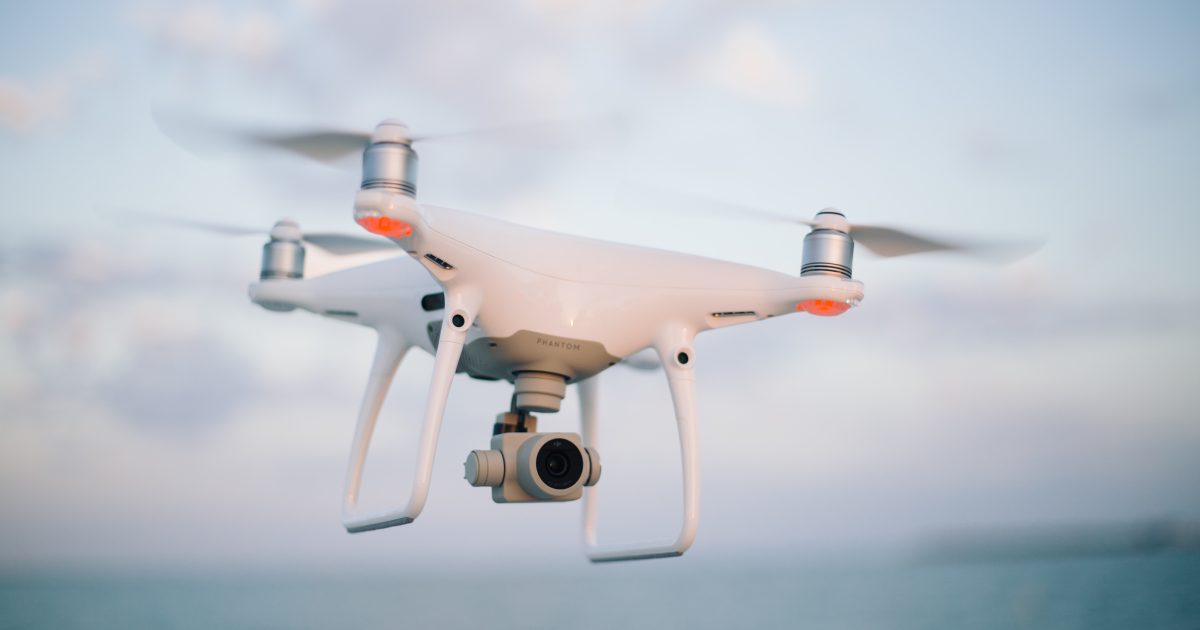
Quick Verdict: The best mini drone in 2026 is the DJI Mini 4 Pro (~$759) for buyers who want the best camera in a sub-250g package — specifically for its omnidirectional obstacle avoidance, unique in this weight class. For buyers who want 4K on a tighter budget, the DJI Mini 4K (~$299) and DJI Flip (~$439) both deliver serious cameras in 249-gram frames. The DJI Neo ($199) is the lightest at 135 grams and the best option for portability above all else.
Best Mini Drones at a Glance (2026)
| Award | Drone | Weight | Sensor | Max Video | Price |
|---|---|---|---|---|---|
| Best Mini Overall | DJI Mini 4 Pro | 249g | 1/1.3-inch | 4K/100fps | ~$759 |
| Best Mini Budget | DJI Mini 4K | 249g | 1/2.3-inch | 4K | ~$299 |
| Best Mini for Vloggers | DJI Flip | 249g | 1/1.3-inch | 4K/60fps | ~$439 |
| Lightest Mini | DJI Neo | 135g | 1/2-inch | 4K | ~$199 |
| Best Mini (Pro Class) | DJI Mini 5 Pro | sub-250g | 1-inch CMOS | 4K/60fps+ | ~$999+ |
| Best Non-DJI Mini | Potensic Atom 2 | 249g | 1/2-inch Sony | 4K HDR | ~$299 |
Why Sub-250g Matters: Regulatory Advantages
In the US, drones weighing 250 grams or more require FAA registration. Drones under 250g — including every pick in this guide — are exempt from this requirement for recreational flying. The advantage compounds internationally: most countries have a similar weight threshold (often 250g, sometimes 300g) above which stricter rules, permits, and restrictions apply. The practical result is that sub-250g drones are more travel-friendly, face fewer location restrictions, and involve less regulatory overhead than heavier alternatives. This is why DJI’s Mini lineup (Mini 4K, Mini 4 Pro, Mini 5 Pro) consistently dominates the travel drone market.
How We Picked the Best Mini Drones
Mini drones in this guide are defined as sub-250g folding camera drones — the weight class that provides regulatory benefits while delivering serious imaging capability. We evaluated each pick on camera sensor quality, gimbal stabilization, transmission range, flight time, obstacle avoidance (a significant differentiator within this class), and Fly More bundle value. Sources include DroneGator, Heliguy, Space.com, TechRadar, and The Drone Girl.
Best Mini Drone Overall — DJI Mini 4 Pro
Best for: Travelers, content creators, and enthusiasts who want the best sub-250g drone regardless of price.
The DJI Mini 4 Pro is the best mini drone in 2026 and the most technically impressive sub-250g drone available. Its key differentiator from every other mini drone is omnidirectional obstacle avoidance (APAS 5.0) — a feature no other sub-250g drone offers. This means it can navigate complex environments — trees, buildings, tight corridors — that would down any competing mini drone. The 1/1.3-inch sensor records 4K/100fps video and captures 48MP stills with D-Log M support. ActiveTrack 360 follows subjects from any direction. Rated flight time is 34 minutes; real-world is approximately 28–30 minutes in active flight. At ~$759, it commands a premium, but for travelers and professionals who need the best portable imaging tool available, no sub-250g drone competes with it.
Pros:
- Only sub-249g drone with omnidirectional obstacle avoidance (APAS 5.0)
- 1/1.3-inch sensor: 4K/100fps and 48MP stills with D-Log M
- 34-minute rated flight time; ActiveTrack 360 subject following
- 249g — no FAA registration; pockets to jacket-pocket size when folded
Cons:
- ~$759 — the most expensive sub-250g option before the Mini 5 Pro
- Standard RC-N1 controller kit requires a phone for display; RC2 upgrade adds cost
Best Mini Budget — DJI Mini 4K (~$299)
Best for: Buyers who want the DJI Mini experience, 4K video, and 249g portability at the lowest possible DJI price.
The DJI Mini 4K is the entry point to the DJI Mini lineup and one of the best values in the mini drone category. A 3-axis mechanical gimbal stabilizes 4K video from a 1/2.3-inch sensor, and the 10km O3 video transmission range is extraordinary at this price point. Rated flight time is 31 minutes. DJI’s Fly app handles QuickShots, automated modes, and firmware updates. It folds to roughly smartphone dimensions and is genuinely pocketable. The limits are clear — no obstacle avoidance, smaller sensor — but for a first mini drone or a budget travel drone these are rational trade-offs at $299.
Pros:
- ~$299 — the most affordable DJI with a mechanical 3-axis gimbal and 4K
- 249g, no FAA registration; folds to pocket-friendly dimensions
- 10km transmission range; 31-minute rated flight time
- Full DJI ecosystem access: app, accessories, QuickShots
Cons:
- No obstacle avoidance — requires conscious open-area flying
- 1/2.3-inch sensor is the weakest in the DJI Mini lineup
Best Mini for Vloggers — DJI Flip (~$439)
Best for: Solo content creators and vloggers who want a safe, palm-launchable mini drone with the best camera available under $500.
The DJI Flip is the best mini drone for vloggers in 2026. Its 1/1.3-inch sensor matches the Mini 4 Pro’s camera quality at $320 less. Integrated propeller guards make palm launch safe and indoor flying practical. Controller-free AI subject tracking activates automatically from the Fly app. At 249 grams it avoids FAA registration, and the 31-minute rated flight time covers most shooting sessions on a single battery. The Flip’s obstacle avoidance covers forward and backward directions — adequate for typical vlogging environments. For solo creators who need to film themselves without a crew, the Flip handles setup and tracking automatically.
Pros:
- 1/1.3-inch sensor — same camera quality as the Mini 4 Pro at $320 less
- Prop guards + palm launch for safe, fast solo deployment
- AI tracking without a controller; 4K/60fps with D-Log M
- 249g, no FAA registration
Cons:
- Prop guards add marginal bulk vs. blade-only design
- No omnidirectional obstacle avoidance (forward + backward only)
Lightest Mini Drone — DJI Neo (~$199)
Best for: Buyers who prioritize minimum weight and size above all other factors — or want the simplest possible flying experience.
The DJI Neo weighs just 135 grams — significantly lighter than the 249-gram DJI Mini lineup — making it the most portable camera drone available. It launches from the palm without a controller, automated modes handle the flight, and the 4K stabilized camera delivers quality adequate for social media and personal use. The half-inch sensor is the smallest in the DJI lineup, which shows in low light. Battery life is ~18 minutes. But for travelers who want a camera drone that disappears into any bag and needs no controller, the Neo’s 135-gram frame is unmatched.
Pros:
- 135g — the lightest serious camera drone available in 2026
- No controller required; palm launch and automated modes
- $199 — lowest DJI price with stabilized 4K
- Modular: add optional controller and goggles as skills grow
Cons:
- Half-inch sensor has the weakest low-light performance in the DJI lineup
- ~18 min rated battery life — the shortest in this comparison
Best Pro-Class Mini — DJI Mini 5 Pro
Best for: Professional and semi-professional photographers who need a 1-inch sensor in a sub-250g body for travel and commercial work.
The DJI Mini 5 Pro brings a 1-inch CMOS sensor to the sub-250g class — a sensor size previously unavailable without crossing the weight threshold. It supports 4K at 60fps and above, with LiDAR-based obstacle avoidance for precise sensing even in low-contrast environments. At approximately $999 and above, it is positioned for professional travel photographers who need the best possible image quality without the registration and regulatory burden that comes with heavier drones. The sub-250g 1-inch sensor combination is technically impressive and justifies the premium for commercial use cases.
Pros:
- 1-inch CMOS in a sub-250g body — previously impossible; now class-defining
- LiDAR obstacle avoidance; front-facing sensor for precise detection
- Up to 36-minute rated flight time
- 4K HDR and full professional color profile support
Cons:
- ~$999+ positions it firmly at the professional price tier
- New platform — availability and accessory ecosystem still maturing
Best Non-DJI Mini — Potensic Atom 2 (~$299)
Best for: Buyers who want a sub-250g mini drone with a Sony sensor and no DJI geofencing restrictions at a $299 price point.
The Potensic Atom 2 is the strongest mini drone outside DJI’s ecosystem. Its 1/2-inch Sony sensor is larger than the DJI Mini 4K’s 1/2.3-inch chip, and the 3-axis mechanical gimbal delivers smooth 4K HDR video. Built-in Remote ID meets FAA compliance, and the absence of DJI’s geofencing system allows operation in locations where DJI would restrict flight. Fly More bundles at approximately $277 for three batteries are strong value. App experience and transmission reliability trail DJI’s standards, but for buyers who want to operate outside the DJI ecosystem without sacrificing sensor quality, the Atom 2 is the best choice.
Pros:
- 1/2-inch Sony sensor — larger than DJI Mini 4K at the same price
- No DJI geofencing; built-in Remote ID compliance
- 3-axis gimbal with 4K HDR; ~38 min rated flight time
Cons:
- App and transmission system less refined than DJI Fly
- Smaller ecosystem; fewer accessories and community resources
Mini Drone Buying Guide
Sub-250g vs. Sub-300g
The FAA registration threshold in the US is 250 grams. Every drone in this guide weighs 249 grams or less. Note that the Mini 4 Pro and Mini 4K weigh exactly 249g — just under the threshold. The DJI Neo at 135g provides the most regulatory headroom. Always check the specific regulations for the countries you plan to fly in, as thresholds vary.
Flight Time Reality Check
Rated flight times are measured under ideal conditions. Real-world performance in active flying with light wind is approximately 75–85% of the rated figure. The Mini 4 Pro’s 34-minute rating translates to roughly 27–29 minutes of active shooting per battery.
Frequently Asked Questions
What is the best mini drone for travel in 2026?
The DJI Mini 4 Pro is the best travel drone for those willing to invest ~$759. The DJI Mini 4K at ~$299 is the best budget travel option. Both weigh 249g, fold to pocketable size, and avoid FAA registration requirements for recreational use.
Is 249g important for traveling internationally with a drone?
Yes. Most countries have a 250g or 300g weight threshold below which fewer restrictions apply — fewer permits, less paperwork, and less chance of having the drone confiscated at customs. Always research the specific regulations for your destination country before traveling internationally with any drone.
What is the difference between the DJI Mini 4K and DJI Mini 4 Pro?
The main differences are sensor size (1/2.3-inch vs. 1/1.3-inch), obstacle avoidance (none vs. omnidirectional APAS 5.0), and video capability (4K standard vs. 4K/100fps with D-Log M). Both weigh 249g. The Mini 4 Pro costs ~$460 more.
For the complete overview of all drone categories, visit our Best Drones (2026) pillar guide.