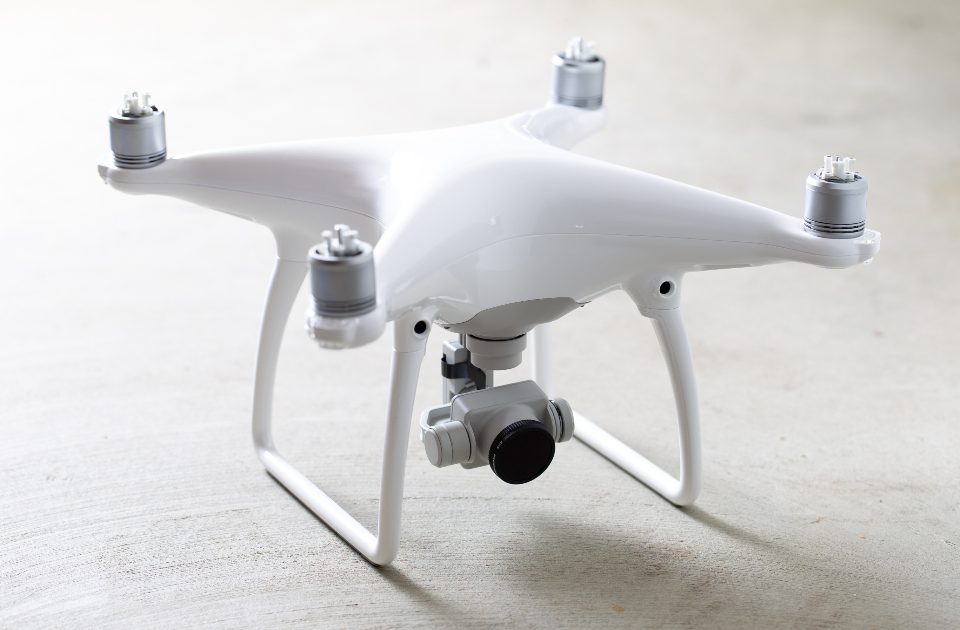
Quick Verdict: The best FPV drone for most buyers in 2026 is the DJI Avata 2 — it delivers 4K/60fps at 155-degree FOV through low-latency DJI Goggles 3, with a Motion Controller option that makes genuine FPV flying accessible to beginners. For those who want a budget FPV starter kit without buying into the DJI ecosystem, the BetaFPV Cetus Pro ($250–$300 complete kit) is the most recommended ready-to-fly alternative. Experienced FPV racers building custom quads should look at platforms running Betaflight firmware with digital HD video transmission systems.
Best FPV Drones at a Glance (2026)
| Award | Drone | Video | Goggle System | Flight Time | Price |
|---|---|---|---|---|---|
| Best Overall FPV | DJI Avata 2 | 4K/60fps, 155° FOV | DJI Goggles 3 | ~17–18 min | ~$560–$860 (kit) |
| Best Beginner FPV Kit | BetaFPV Cetus Pro | 1080p/60fps | VR01 Goggles (included) | ~5–7 min | ~$250–$300 (kit) |
| Best Cinematic FPV | DJI Avata 2 + RC Motion 3 | 4K/60fps + RockSteady 3.0 | DJI Goggles 3 | ~17 min | ~$860 (full kit) |
| Best Budget FPV | Emax Tinyhawk III | 720p analog | Box goggles (FatShark/Eachine) | ~4–6 min | ~$170–$230 (RTF kit) |
What Is FPV Flying? A Quick Explainer
FPV (First-Person View) drones are flown through goggles or a screen displaying a real-time camera feed from the drone — giving the pilot the sensation of being onboard. Unlike standard line-of-sight drones where you watch the aircraft from the ground, FPV delivers an immersive, pilot-perspective experience. FPV drones range from slow, stabilized cinematic platforms (DJI Avata 2) to high-speed racing quads capable of 100+ mph. The learning curve is steeper than standard drones, but the experience is categorically different — particularly for cinematic shooting through tight spaces.
How We Picked the Best FPV Drones
FPV drones serve distinct use cases — cinematic filming, freestyle acrobatics, and racing — with different hardware requirements. We evaluated each pick on video transmission latency (critical for control), image quality, crash survivability, available flight modes for skill progression, and overall system cost including goggles and controller. Sources include FPVDroneGuide.com, DailyCamera News, Space.com, AeroVision Drones, and documented manufacturer specifications.
Best Overall FPV Drone — DJI Avata 2
Best for: Pilots who want the most accessible, highest-quality consumer FPV experience — whether for cinematic filming or immersive recreational flying.
The DJI Avata 2 is the dominant consumer FPV drone in 2026. Its 4K/60fps camera shoots at a 155-degree field of view with DJI’s RockSteady 3.0 and HorizonSteady stabilization, delivering smooth footage even through aggressive maneuvers. The DJI O4 digital transmission feeds DJI Goggles 3 with low latency that makes the flying experience feel natural and responsive. Two control options exist: the RC Motion 3 (hand-gesture, tilt-to-fly) for beginners and cinematic pilots, and the FPV Remote Controller 3 (traditional thumbsticks) for more experienced flyers. A built-in propeller cage protects rotors during the collisions inherent to FPV flying. Real-world flight time is approximately 17–18 minutes recording 4K — shorter than standard drones but typical for FPV performance platforms.
Pros:
- 4K/60fps at 155-degree FOV — the best consumer FPV camera available
- Motion Controller option enables genuine FPV flying with no prior joystick experience
- Prop cage reduces crash damage in tight indoor and outdoor spaces
- DJI Goggles 3 low-latency transmission provides a genuinely immersive experience
Cons:
- $560–$860 full kit price — serious investment versus standard drones
- ~17–18 minutes of real-world 4K flight time; bring spare batteries
Best Beginner FPV Kit — BetaFPV Cetus Pro
Best for: Pilots who want to experience FPV without the DJI Avata 2 price, with a complete kit that includes drone, controller, and goggles.
The BetaFPV Cetus Pro is the most widely recommended budget FPV complete kit. It ships with the Cetus Pro quad, the VR01 goggles, and the LiteRadio 3 controller — everything needed to start FPV flying immediately. Three flight modes (Normal with angle stabilization, Sport with slightly reduced assistance, and Manual/Acro for full freestyle control) provide a structured skill progression path. The 1080p/60fps camera feeds the goggles with 30ms ultra-low latency video. Crash survivability is strong for the price. Flight time per battery is short (approximately 5–7 minutes for a quad this size), but this is typical for micro FPV platforms. At $250–$300 complete, it is the most accessible true FPV experience available.
Pros:
- Complete kit: drone + goggles + controller — everything in one purchase
- Three flight modes from stabilized to acrobatic for progression
- 30ms low-latency video transmission for real immersive FPV
- $250–$300 — dramatically less expensive than the DJI Avata 2 full kit
Cons:
- ~5–7 min battery life typical of micro FPV quads
- 1080p video is a significant step down from DJI Avata 2’s 4K quality
Best Budget FPV — Emax Tinyhawk III
Best for: Hobbyists who want the most affordable entry into analog FPV racing and freestyle flying, including indoor micro FPV.
The Emax Tinyhawk III is a well-regarded micro FPV quad in the ready-to-fly RTF kit configuration (includes drone, controller, and box goggles) for approximately $170–$230. It is primarily an analog FPV platform — video quality is lower than digital systems like DJI or the Cetus Pro, but the immersive FPV experience and flying feel are comparable for learning purposes. Betaflight firmware is pre-configured, and the quad is Betaflight-tunable for pilots who want to customize flight behavior. Very crash-tolerant for indoor micro FPV; cheap replacement parts are widely available. The main limitation is analog video quality versus the digital systems from BetaFPV and DJI.
Pros:
- $170–$230 RTF kit — the lowest entry point into FPV with complete equipment
- Betaflight firmware — the industry standard for FPV configuration
- Cheap, widely available spare parts
- Highly crash-tolerant for indoor micro flying
Cons:
- Analog video quality significantly lower than digital FPV systems
- Short battery life typical of micro FPV; requires multiple batteries for a session
FPV Drone Buying Guide
Cinematic FPV vs. Racing FPV vs. Freestyle FPV
FPV covers three distinct disciplines: Cinematic FPV (smooth, stabilized footage through interesting locations — DJI Avata 2 is the reference platform), Freestyle FPV (acrobatic tricks and aerial artistry — Betaflight-based quads in the 3–5-inch prop size), and FPV Racing (timed course competition at high speeds — dedicated racing builds and organized events). Beginners should start with the Cetus Pro or Avata 2 before deciding which discipline to pursue.
Digital vs. Analog FPV Video
Analog FPV video has lower latency (historically preferred by racers) but significantly lower image quality than digital HD systems. Digital FPV systems (DJI O4, Walksnail Avatar, HDZero) deliver 1080p–4K video with latency as low as 22–30ms — now competitive with analog for most applications. For new pilots in 2026, digital systems (starting with the BetaFPV Cetus Pro or DJI Avata 2) are recommended over analog for the substantially better video experience.
FAA Rules for FPV Pilots
FPV drones require a visual observer — a second person watching the drone while the pilot wears goggles — to maintain legal visual line of sight under FAA recreational rules, unless the pilot holds a Part 107 waiver. FPV racing at an AMA-sanctioned club event falls under a blanket authorization that permits goggle flying without a separate observer.
Frequently Asked Questions
Is FPV flying hard to learn?
Standard stabilized FPV (DJI Avata 2 with Motion Controller) can be learned in a single session. Full manual acrobatic FPV requires significantly more practice — typically many hours on a simulator (Velocidrone, Liftoff) before flying a real quad is recommended to avoid expensive crashes. The BetaFPV Cetus Pro’s three-mode progression makes the learning curve manageable.
How much does a complete FPV setup cost?
Complete RTF kits start at $170–$230 (Emax Tinyhawk III analog) and $250–$300 (BetaFPV Cetus Pro digital). The DJI Avata 2 full kit (drone + goggles + Motion Controller) costs $860. Custom-built freestyle or racing quads typically run $400–$800 when factoring in all components.
Do I need a license to fly FPV?
For recreational FPV, a Part 107 license is not required but the FAA TRUST test is mandatory. FPV drones weighing 250g or more require FAA registration. Commercial FPV work requires a Part 107 Remote Pilot Certificate.
What FPV simulator should I use to practice?
Velocidrone and Liftoff are the two most widely used FPV simulators and work with most standard FPV controllers including the BetaFPV LiteRadio 3. DJI’s Fly app includes a basic flight simulator for Avata 2 users.
For the complete overview of all drone categories, visit our Best Drones (2026) pillar guide.