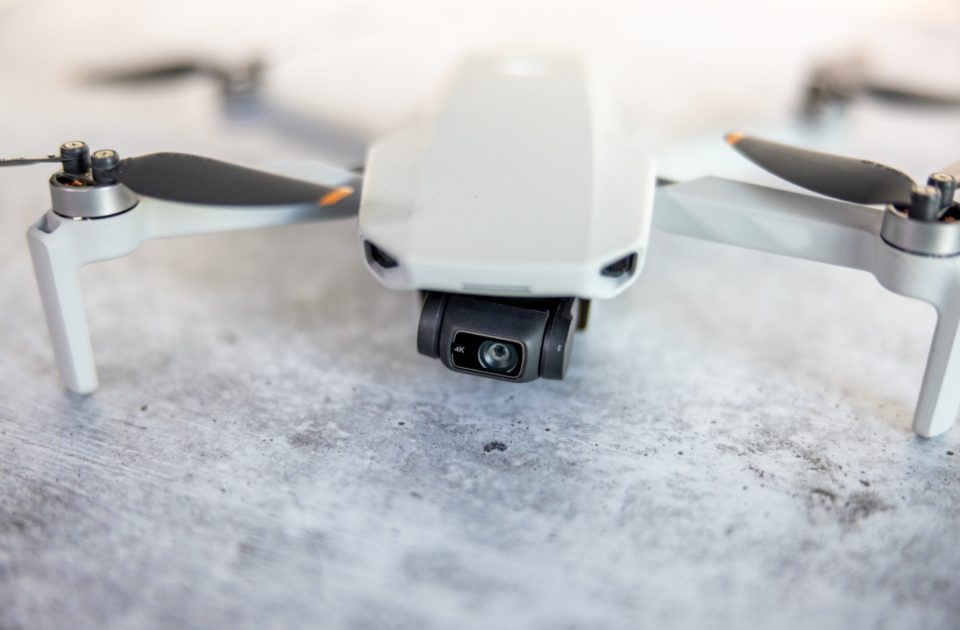
Quick Verdict: The best drone for kids in 2026 is the Holy Stone HS210 (~$30) — it weighs just 24 grams, has fully enclosed propellers, includes three batteries, and is practically indestructible through the kind of crashes young pilots inevitably cause. For kids aged 12 and up who are ready for a GPS drone with a real camera, the Ryze Tello (~$99, DJI-engineered) is the best step up. Older teens seeking a capable first camera drone should look at the DJI Neo ($199) or DJI Mini 4K (~$299).
Best Drones for Kids at a Glance (2026)
| Award | Drone | Recommended Age | Camera | Weight | Price |
|---|---|---|---|---|---|
| Best Overall for Kids | Holy Stone HS210 | 8+ | None | 24g | ~$30 |
| Best with Camera (Budget) | Ryze Tello | 10+ | 720p | 80g | ~$99 |
| Best Micro Drone | DEERC D10 | 8+ | 1080p (Wi-Fi) | ~40g | ~$69 |
| Best for Teens (Camera) | DJI Neo | 14+ | 4K stabilized | 135g | ~$199 |
| Best First GPS Drone | Holy Stone HS900 | 12+ | 4K | ~250g | ~$149 |
How We Chose Drones for Kids
Selecting drones for children requires a different set of priorities than adult drones. The most important factors are physical safety (prop guards, weight, crash tolerance), ease of operation (headless mode, altitude hold, one-key controls), battery life appropriate for short attention spans, and durability under repeated crashing. Camera quality is secondary. We evaluated each recommendation against these criteria and drew from sources including Digital Camera World’s best drones for kids guide, UAV Coach, TechGearLab, and manufacturers’ documented specifications.
Best Overall for Kids — Holy Stone HS210
Best for: Children aged 8 and up who want their first indoor drone for learning basic flight controls safely.
The Holy Stone HS210 is the consensus best drone for young children in 2026. At 24 grams with a four-inch diagonal frame and fully enclosed propellers, it is almost impossible to injure anyone with it during indoor use. Three batteries are included, providing approximately 21 minutes of combined flight time — useful for keeping young pilots engaged across multiple sessions without waiting for a recharge. Features include altitude hold (automatic height maintenance), headless mode (controls always relative to pilot, not drone orientation), one-key takeoff and landing, and 3D flips for the inevitable showboating. Flexible, resilient plastic construction survives walls, furniture, and ceiling impacts. There is no camera on the base HS210, which keeps weight minimal and removes the distraction of learning to frame shots while also learning to fly.
Pros:
- 24g and fully enclosed props — effectively safe for indoor use
- 3 batteries included for ~21 minutes total flight time
- Headless mode and altitude hold make it accessible from age 8
- ~$30 — affordable enough to replace without heartbreak if crashed badly
Cons:
- No camera — pure flight trainer only
- No GPS; wind-sensitive outdoors
Best with Camera for Kids — Ryze Tello
Best for: Children aged 10+ who are ready for a camera drone with programming capabilities, in a safe prop-guarded package.
The Ryze Tello is an 80-gram drone with a DJI-designed flight controller — and the hover stability difference versus other sub-$100 drones is noticeable from the first flight. Fully enclosed propellers make it safe indoors. It captures 720p video, which is adequate for sharing. Its headline bonus for tech-oriented kids is Scratch block programming support, which allows them to write code that controls the drone — a genuinely educational feature with curriculum applications. Rated flight time is 13 minutes; an extra battery (~$15) is a worthwhile addition. At ~$99, it bridges the gap between toy and real drone while staying accessible for parents’ budgets.
Pros:
- DJI-engineered flight controller — class-best stability at under $100
- Scratch programming makes it an educational STEM tool
- 80g, fully enclosed props, very safe for indoor and outdoor (calm) use
- ~$99 — real DJI quality at an accessible price
Cons:
- 720p camera is adequate but well below current mid-range standards
- 13-minute battery life requires a spare for extended sessions
Best Micro Drone — DEERC D10
Best for: Kids who want a camera drone under $70 with two batteries and basic headless mode controls.
The DEERC D10 at approximately $69 includes two batteries for extended sessions and a 1080p Wi-Fi camera for live streaming to a smartphone. Features include altitude hold, headless mode, and one-key takeoff/landing. At roughly 40 grams with prop guards, it is safe for indoor use. The 1080p footage streams over Wi-Fi to the companion app rather than recording to a memory card — quality is adequate for casual sharing but noticeably compressed. For families who want a camera-equipped drone without the Tello’s ~$99 price point, the D10 provides solid value with its two-battery configuration and slightly lower cost.
Pros:
- ~$69 — camera drone under $70 with two batteries included
- 1080p Wi-Fi camera; altitude hold and headless mode
- ~40g with prop guards; indoor-safe
Cons:
- Wi-Fi streaming rather than microSD recording — compressed footage quality
- Flight stability and range below Ryze Tello
Best for Teens — DJI Neo (~$199)
Best for: Teenagers aged 14+ who are ready for a real camera drone that they will not quickly outgrow.
The DJI Neo is the best first “real” drone for teens who have the spatial awareness and responsibility to fly outdoors safely. It weighs 135 grams (no FAA registration), launches from the palm, and its automated flight modes (Spotlight, ActiveTrack, Circle, Dronie, Rocket) deliver professional-looking shots without requiring expert flying skills. The stabilized 4K camera is a genuine step up from toy-drone quality. No obstacle avoidance means it should be flown in open areas, but the 135-gram weight makes even crashes low-risk. As teens develop skills, an optional joystick controller (~$79 separately) unlocks manual flying modes and longer range.
Pros:
- 135g — no FAA registration; very portable
- Stabilized 4K camera — real, shareable footage quality
- Automated modes produce impressive shots with minimal skill
- Expandable with optional controller and goggles as skills develop
Cons:
- No obstacle avoidance — requires open flying areas; inappropriate for beginners in complex environments
- ~18 min battery life; short for extended outdoor sessions
Best First GPS Drone for Kids — Holy Stone HS900 (~$149)
Best for: Children aged 12+ who are ready to step from a toy drone to a GPS-equipped camera drone without spending $200+.
The Holy Stone HS900 adds GPS-based position hold, automatic return-to-home, and a follow-me mode to Holy Stone’s reliable beginner formula. Three flight speed modes let young pilots start slowly and increase difficulty as skills develop. The 4K camera delivers footage adequate for family sharing. At ~$149, it provides GPS features that would cost $200–$300 from DJI, at the cost of lower image quality and precision. For a 12-year-old stepping up from an HS210, this is a logical and budget-appropriate progression.
Pros:
- GPS position hold and RTH — real safety net for young outdoor pilots
- ~$149; natural step up from toy-class Holy Stone drones
- 3-speed mode progression system
Cons:
- GPS precision and camera quality below DJI standards at this price
- ~250g may require FAA registration for outdoor recreational use
Kids’ Drone Buying Guide: What Parents Need to Know
Age Recommendations
- Ages 8–10: Enclosed-prop micro drones only (Holy Stone HS210, DEERC D10). Indoor flying with adult supervision.
- Ages 10–12: Ryze Tello. Transition to outdoor flying in calm conditions with supervision.
- Ages 12–14: Holy Stone HS900 or similar GPS drones. Supervised outdoor use; begin learning airspace rules.
- Ages 14+: DJI Neo or DJI Mini 4K with adult guidance. TRUST test recommended for all recreational pilots regardless of age.
FAA Rules for Kids’ Drones
In the US, recreational pilots of all ages must pass the free FAA TRUST (The Recreational UAS Safety Test) before flying outdoors. Drones 250g and over require registration. Toy drones under 250g used purely indoors fall outside most FAA jurisdiction but basic safety rules still apply.
Prop Guards Are Not Optional for Young Pilots
Exposed propellers on budget drones rotate at thousands of RPM and can cause lacerations on contact with skin. For children, only recommend drones with fully enclosed or guarded propellers. The HS210, Tello, DEERC D10, and DJI Neo all have enclosed or guarded props.
Frequently Asked Questions
What is the safest drone for a child?
The Holy Stone HS210 — 24 grams, fully enclosed propellers, and flexible plastic construction make it the safest option for indoor flying with children. The Ryze Tello is a step up in capability while maintaining safety through enclosed prop guards.
What age can a child fly a drone?
Toy micro drones (Holy Stone HS210) are generally appropriate from age 8 with supervision. More capable GPS drones (Holy Stone HS900) suit ages 12 and up. The FAA requires all recreational pilots to pass the TRUST test regardless of age.
Do kids’ drones need to be registered with the FAA?
Drones under 250 grams used for recreation do not require FAA registration. The Holy Stone HS210 (24g), Ryze Tello (80g), DEERC D10 (~40g), and DJI Neo (135g) all fall below this threshold and do not need registration.
For the complete overview of all drone categories, visit our Best Drones (2026) pillar guide.