Ever looked up at a stunning aerial shot on YouTube and thought, “I wish I could do that”? The good news is, you absolutely can, and you don’t need to empty your savings account to get started. The search for the Best Budget Drone With Camera used to be a minefield of fragile toys with terrible video. But things have changed. Drastically. Today, affordable drones pack incredible technology, allowing you to capture breathtaking views without the professional price tag.
Welcome to Drone Ear, your co-pilot in the world of unmanned aerial vehicles. We’re here to cut through the noise and the confusing spec sheets. In this guide, we’ll break down everything you need to know to find a wallet-friendly drone that punches way above its weight class, turning you from a curious observer into a confident aerial creator.
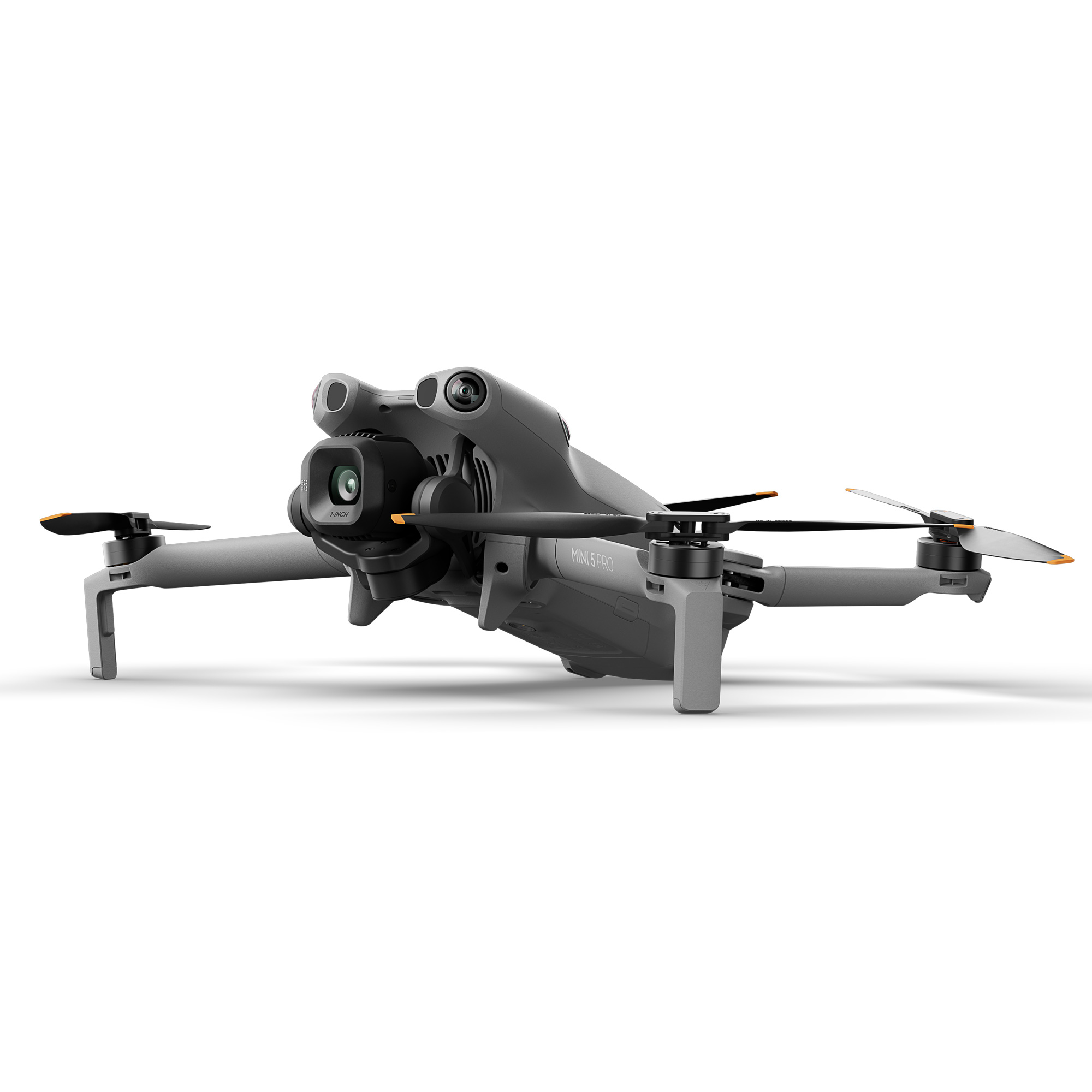
What Really Makes a Great Budget Drone?
It’s easy to get lost in a sea of features like “headless mode” or “altitude hold.” While those are nice, they aren’t the core of a great flying experience. When you’re looking for the best budget drone with camera, your focus should be on the fundamentals that deliver real-world results. Let’s break down what truly matters.
Camera Quality: More Than Just Megapixels
The camera is the heart of your drone. But don’t be fooled by flashy numbers alone. A 4K camera sounds amazing, but if the footage is shaky and the colors are washed out, it’s useless.
- Resolution: Aim for at least 1080p (Full HD). Many budget-friendly options now offer 2.7K or even 4K video, which is fantastic for cropping and editing later.
- Sensor Size: A larger sensor captures more light, leading to better performance in sunrise or sunset conditions and more vibrant colors. While budget drones have small sensors, some are significantly better than others.
- The Gimbal is King: This is the non-negotiable feature. A gimbal is a motorized stabilizer that keeps the camera perfectly steady, even if the drone is buffeted by wind or making sharp turns. A 3-axis gimbal is the gold standard, physically counteracting movement on every axis to produce silky-smooth, cinematic footage. A drone without a mechanical gimbal will always produce shaky video.
Flight Performance and Stability
A great camera is useless if the drone flies like an angry bee. Stability is paramount, especially for beginners.
- GPS is Essential: GPS positioning allows the drone to know its exact location. This means it can hover perfectly in place, return to its takeoff spot automatically if it loses connection, and resist being pushed around by the wind. It’s the single most important feature for a safe and stress-free flight.
- Flight Time: How long can it stay in the air? The average for a good budget drone is around 20-30 minutes per battery. Anything less than 15 minutes feels too short once you’re having fun. Always check the cost of extra batteries; you’ll want at least two or three.
- Range: This refers to how far the drone can fly from the controller before losing signal. A range of 1-2 kilometers (about 0.6-1.2 miles) is more than enough for most beginners. Remember, regulations in most places require you to keep the drone within your visual line of sight anyway.
“New pilots often chase the highest top speed or the longest range. But I always advise them to prioritize stability. A drone with rock-solid GPS and a quality gimbal will give you more confidence and produce far better results than a faster, shakier model. It’s the foundation of good aerial photography.” – Dr. Alistair Finch, Aerospace Engineer and Drone Analyst
Top Picks for the Best Budget Drone with Camera in 2024
Alright, let’s get to the good stuff. We’ve flown, tested, and crashed (so you don’t have to) our fair share of drones. These are the models that consistently deliver the best bang for your buck.
1. DJI Mini 2 SE: The Undisputed Champion
Why it’s great: There’s a reason DJI dominates the market. The Mini 2 SE is a masterclass in engineering for beginners. It’s incredibly easy to fly, boasts a fantastic 2.7K camera on a 3-axis gimbal, and has an impressive 31-minute flight time. Its sub-250g weight also means it falls under the registration requirements in many countries, including the US. It’s the perfect “first serious drone.”
Who it’s for: The absolute beginner who wants a reliable, high-quality experience without any fuss.
2. Ryze Tello: The Fun-Sized Powerhouse
Why it’s great: Co-developed with DJI and Intel, the Tello is less of a photography drone and more of an incredibly fun and stable learning tool. Its 720p camera isn’t going to win any awards, but its flight stability is phenomenal for its tiny size and price. You can even program it to do flips and tricks.
Who it’s for: Kids, students, or anyone who wants to learn the absolute basics of drone control in a safe (and often indoor) environment before investing more.
3. Holy Stone HS720E: The Feature-Packed Contender
Why it’s great: Holy Stone has made a name for itself by packing premium features into an affordable package. The HS720E often includes a 4K camera, GPS-assisted flight, and features like “Follow Me” and “Waypoint” modes that are typically found on more expensive models. While its gimbal is often electronic (EIS) rather than mechanical, it still offers a significant step up from no stabilization at all.
Who it’s for: The hobbyist who loves tinkering with features and wants the most functionality for their money, even if the polish isn’t quite at DJI’s level.
Quick Comparison Table
| Feature | DJI Mini 2 SE | Ryze Tello | Holy Stone HS720E |
|---|---|---|---|
| Best For | Overall Value & Beginners | Learning & Fun | Features on a Budget |
| Camera | 2.7K | 720p | 4K |
| Stabilization | 3-Axis Mechanical Gimbal | Digital | EIS (Electronic) |
| Flight Time | ~31 mins | ~13 mins | ~23 mins |
| GPS | Yes | No | Yes |
| Weight | < 249g | ~80g | ~495g |
Before You Fly: A Beginner’s Checklist
Finding the best budget drone with camera is only half the battle. Flying safely and responsibly is what makes this hobby rewarding. I still remember the nervous excitement of my first flight. A little preparation goes a long way.
- Charge Everything: Drone batteries, controller, and your phone. There’s nothing worse than running out of juice mid-flight.
- Check the Weather: Avoid flying in high winds or rain. Most consumer drones are not weather-sealed. A clear, calm day is your best friend.
- Find an Open Space: Your first flights should be in a large, open field away from people, trees, and power lines. Give yourself plenty of room for error.
- Calibrate the Compass: Most GPS drones require a quick compass calibration before the first flight in a new location. It’s a simple process, usually involving rotating the drone on a couple of axes. Just follow the app’s instructions.
- Perform a Pre-Flight Check:
- Props are secure and undamaged.
- Battery is fully inserted and latched.
- Camera lens is clean.
- You have a strong GPS signal (the app will tell you).
- Take Off and Hover: Start by taking off and just letting the drone hover a few feet off the ground. Get a feel for the controls before you start zipping around. Gentle, deliberate movements are key.
Understanding the Rules of the Sky: Know Before You Fly
This is hugely important. Flying a drone comes with responsibilities. While regulations vary by country, the core principles are universal.
- In the United States: The Federal Aviation Administration (FAA) is in charge. For recreational flying, you’ll want to check out The Recreational UAS Safety Test (TRUST). Drones weighing 250 grams or more must be registered.
- In Europe: The European Union Aviation Safety Agency (EASA) sets the rules. Similar to the US, there are weight categories and online tests required for most pilots.
- General Rules of Thumb (Worldwide):
- Always keep your drone within your visual line of sight.
- Do not fly over crowds of people.
- Stay away from airports, emergency response efforts, and sensitive infrastructure.
- Respect people’s privacy.
Using an app like B4UFLY (in the US) or similar regional apps can show you exactly where it is safe to fly.
Frequently Asked Questions (FAQ)
Q: How much should I spend on a good budget drone with a camera?
A: The sweet spot for a quality beginner drone with a stabilized camera and GPS is typically between $250 and $400. Below this range, you often lose key features like a mechanical gimbal and reliable GPS, which significantly impact video quality and safety.
Q: Do I need a license to fly a drone?
A: For recreational flying in many places like the US, you don’t need a formal “license” but you are required to pass a basic safety test (like the FAA’s TRUST) and register your drone if it’s over 250 grams. Always check the specific laws for your country and region.
Q: What’s the biggest mistake beginners make?
A: The biggest mistake is flying in a complex environment too soon. Don’t try to fly through trees or around buildings on your first day. Go to an open field and master the basic controls first. Patience will prevent crashes and save you money.
Q: Is 4K resolution necessary for a beginner?
A: Not at all. A stable, well-exposed 1080p or 2.7K video from a drone with a good gimbal will look far more professional than shaky 4K footage. Focus on the quality of the stabilization (the gimbal) before you focus on the resolution.
Q: Can I fly a budget drone in the wind?
A: Drones with GPS are surprisingly capable in light to moderate wind (up to around 15-20 mph). However, wind will drain your battery much faster as the drone’s motors work harder to stay in place. For beginners, a calm day is always the best choice.
Your Aerial Adventure Awaits
The journey to find the best budget drone with camera is the first step into a larger, more exciting world. It’s a world of new perspectives, creative expression, and the simple joy of flight. Technology that was once reserved for Hollywood film crews is now accessible to everyone. Whether you choose the polished reliability of a DJI, the feature-rich build of a Holy Stone, or another model that catches your eye, the principles remain the same: prioritize stability, understand the rules, and most importantly, have fun.
The sky is no longer the limit; it’s your new canvas. We at Drone Ear can’t wait to see what you create.