Ever had that heart-pounding moment on your first drone flight? You watch it climb, a tiny spec against the vast blue, and a little voice whispers, “Just a bit further…” It’s a tempting thought, but before you push that joystick, there’s a foundational rule every pilot must master. We’re talking about the core principle of what is line of sight (LOS) drone flying, and understanding it is the difference between a thrilling hobby and a costly mistake.
Line of sight isn’t just a recommendation; it’s the bedrock of safe and legal drone operation across the globe. It’s about more than just seeing your drone. It’s about maintaining complete control and awareness in a shared airspace. Let’s break down exactly what this means for you, the pilot.
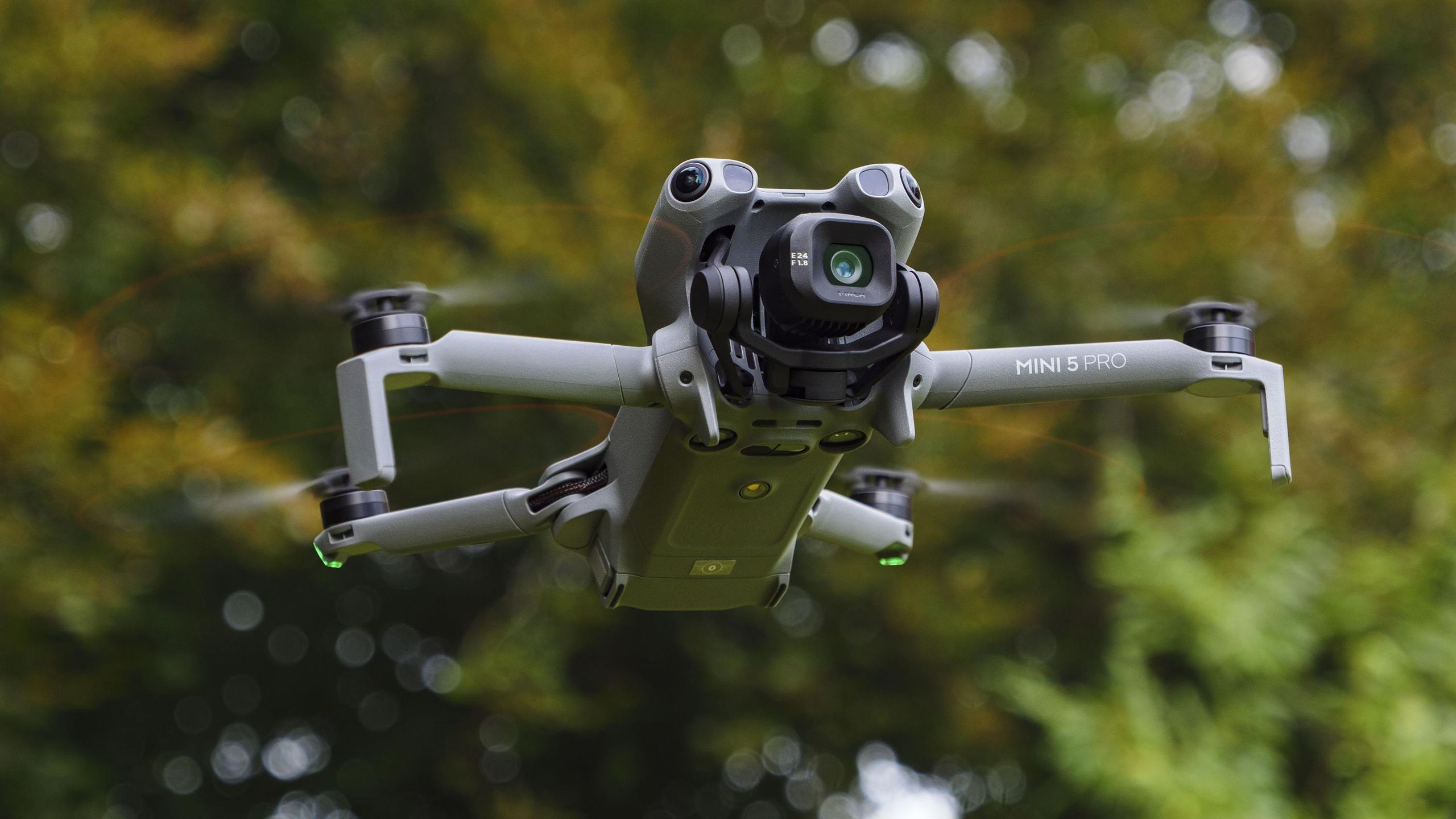
What Exactly is Line of Sight (LOS) Drone Flying?
In the simplest terms, Visual Line of Sight (VLOS), often shortened to Line of Sight (LOS), means you, the pilot, must be able to see your drone with your own eyes at all times during flight. No binoculars, no telescopes, and no relying solely on your drone’s camera feed.
Think of it like this: driving a car. You wouldn’t drive down the highway by only looking at your car’s backup camera, right? You need to see the entire road, the cars around you, and any potential hazards through your windshield. Line of sight drone flying is the exact same principle. Your eyes are the windshield, giving you the complete picture of the drone’s surroundings.
“LOS is not just a rule; it’s the pilot’s primary safety system. It’s your direct, real-time connection to the aircraft and the environment it’s operating in. Losing that connection, even for a moment, is like flying blind.” – Dr. Alistair Finch, Aerospace Regulation Specialist.
This means you need an unbroken visual path between you and your drone. If it goes behind a building, a dense patch of trees, or a hill, you have technically lost line of sight.
Why is Sticking to Visual Line of Sight So Crucial?
It might feel like a restrictive rule, especially when modern drones can travel for miles. But the reasons behind it are critically important for everyone’s safety, including your own.
- Collision Avoidance: This is the big one. Your drone’s camera has a limited field of view. It won’t see a low-flying airplane, a helicopter, another drone, or even a flock of birds coming from the side or above. Your eyes are your best tool for seeing these potential hazards and taking evasive action.
- Situational Awareness: Maintaining LOS allows you to judge your drone’s altitude, speed, and distance from obstacles far more accurately than a 2D video feed can. Is it drifting with the wind? Is it too close to those power lines? Your direct vision provides that crucial context.
- Legal Compliance: For recreational and most commercial pilots, flying within VLOS is the law. Regulatory bodies like the FAA (Federal Aviation Administration) in the US and EASA (European Union Aviation Safety Agency) in Europe have strict rules. Breaking them can lead to hefty fines or even the loss of your flying privileges.
- Maintaining Control: If your controller suddenly disconnects or the video feed glitches (and trust me, it can happen), being able to see your drone is your only way to manually guide it home or perform a safe landing.
The Gray Areas: FPV and the Role of a Spotter
“But wait,” I hear you FPV (First-Person View) pilots saying, “My whole setup is based on a video feed!” You’re right, and this is an important distinction.
How does FPV flying work with LOS rules?
FPV flying, where you use goggles to see what the drone’s camera sees, is an incredibly immersive experience. However, it does not count as maintaining line of sight. When you’re “in the goggles,” you are essentially flying blind to your drone’s immediate surroundings.
To fly FPV legally in most regions, you must have a visual observer or spotter standing right next to you.
- The Pilot: You are focused on the FPV feed, controlling the drone’s flight path.
- The Visual Observer (VO): This person’s sole job is to maintain unaided visual line of sight with the drone. They act as your eyes on the outside world, responsible for spotting hazards and communicating them to you immediately.
The pilot and the spotter must be able to communicate effectively and instantly. A simple shout of “Tree on your left!” can prevent a crash. Without a spotter, FPV flight is a violation of LOS rules.
LOS vs. BVLOS: Understanding the Next Frontier
If LOS is the standard, then what’s the alternative you might hear about in the news? That would be BVLOS, or Beyond Visual Line of Sight.
BVLOS is exactly what it sounds like: flying a drone beyond the pilot’s ability to see it. This is the technology that enables long-range deliveries, large-area mapping, and infrastructure inspection. However, it’s not something you can just decide to do.
| Feature | Line of Sight (LOS/VLOS) | Beyond Visual Line of Sight (BVLOS) |
|---|---|---|
| Pilot’s View | Unaided, direct visual contact with the drone | No direct visual contact; relies on sensors/cameras |
| Typical Use | Hobby flying, aerial photography, local inspections | Package delivery, long-range survey, agriculture |
| Required Tech | Standard drone and controller | Advanced drones with redundant systems, detect-and-avoid tech |
| Legality | The standard rule for most pilots | Requires special waivers, certifications, and permissions |
Flying BVLOS requires extensive training, highly sophisticated and often expensive equipment (like onboard radar and ADS-B transponders), and specific waivers from aviation authorities. For the vast majority of pilots, LOS is the name of the game.
Practical Tips for Maintaining Flawless Line of Sight
Knowing What Is Line Of Sight Los Drone Flying is one thing; practicing it effectively is another. I’ll never forget my first time nearly losing my drone behind a stand of tall pine trees. My heart was in my throat until I saw it peek out again. Here are some tips to avoid that feeling.
- Choose Your Location Wisely: Fly in an open area with minimal obstructions. A large park, an empty field, or a beach is ideal. Avoid areas with tall buildings, dense forests, or hills.
- Know Your Limits: Before you fly, take a walk. Get a feel for the distances. How far is that tree line? What does 400 feet (the typical altitude limit) actually look like? This gives you a mental map.
- Keep the Sun at Your Back: Flying with the sun in your eyes is a surefire way to lose sight of your drone. Position yourself so the sun illuminates your drone, making it easier to track.
- Use High-Visibility Props or Skins: A small investment in brightly colored propellers or a vinyl wrap for your drone can make a massive difference, especially against a cloudy sky or a dark treeline.
- Don’t Rely on the Map: While the GPS map on your controller is a great tool, don’t stare at it. Your primary focus should always be on the aircraft in the sky. Glance at the screen, don’t gaze at it.
- Fly Deliberately: Avoid erratic, high-speed movements, especially when flying further away. Smooth, predictable flight paths are easier for your eyes to track.
Pre-Flight LOS Checklist
Before every takeoff, run through this mental checklist:
- [ ] Is my flight area open and free of major obstructions?
- [ ] Do I have a clear, forecastable flight plan?
- [ ] Is the weather clear enough for good visibility? (No fog, low clouds)
- [ ] If flying FPV, is my visual observer briefed and ready?
- [ ] Am I aware of my surroundings and potential airspace traffic?
Frequently Asked Questions (FAQ)
Q1: What is the maximum distance for line of sight drone flying?
There is no set maximum distance. It depends entirely on factors like the size of your drone, weather conditions, and your own eyesight. The rule is simple: if you can no longer see it clearly with your own eyes, you are too far away. For most consumer drones, this is typically between 1,500 to 3,000 feet (500 to 900 meters).
Q2: Can I use binoculars or a telephoto lens to maintain line of sight?
No. The rules specified by agencies like the FAA clearly state that line of sight must be “unaided,” meaning with your own eyes or standard corrective lenses (glasses/contacts). Binoculars are only used to momentarily check the drone’s orientation, not to extend your operational range.
Q3: What should I do if I accidentally lose line of sight?
First, don’t panic. Immediately stop flying forward and hover in place. If your drone has a Return-to-Home (RTH) function, this is the time to use it. The drone will typically ascend to a pre-set safe altitude and fly back to its takeoff point, hopefully re-entering your line of sight.
Q4: Do these line of sight rules apply everywhere in the world?
While specific regulations vary by country, the principle of flying within Visual Line of Sight (VLOS) is a near-universal standard for recreational and basic commercial drone operations. Always check the local laws of the country you are flying in.
Q5: If my drone has obstacle avoidance, can I bend the LOS rules?
No. Obstacle avoidance is a fantastic safety feature and a great backup, but it is not foolproof. It can be tricked by thin branches, wires, or bright sunlight. It is a pilot aid, not a replacement for your responsibility to see and avoid hazards.
Flying Smart is Flying Safe
Mastering what is line of sight los drone flying is your first and most important step toward becoming a skilled, responsible pilot. It’s not a limitation; it’s a discipline that builds good habits and ensures the skies remain safe for everyone. It forces you to be present, to be aware, and to be truly connected with your aircraft.
So the next time you fly, embrace the challenge of keeping that drone in sight. Appreciate the skill it takes to track it across the sky. Fly smart, fly safe, and keep exploring the incredible potential of this technology, one responsible flight at a time.