Ever watched one of those jaw-dropping videos where the camera swoops down a mountainside or weaves through an abandoned building with impossible speed and grace? You were likely watching footage from an FPV drone. But What Is An Fpv Drone exactly, and how does it deliver that heart-pounding, immersive experience? If you’re ready to look beyond the standard camera drones, you’ve come to the right place.
Welcome to Drone Ear. We’re here to pull back the curtain on the electrifying world of FPV. Forget what you think you know about drones. We’re about to dive into a hobby that’s part high-speed racing, part aerial acrobatics, and all pure, unadulterated flight. This guide will walk you through everything, from the core technology to getting your own hands on the sticks.
FPV vs. Regular Drones: A Tale of Two Flights
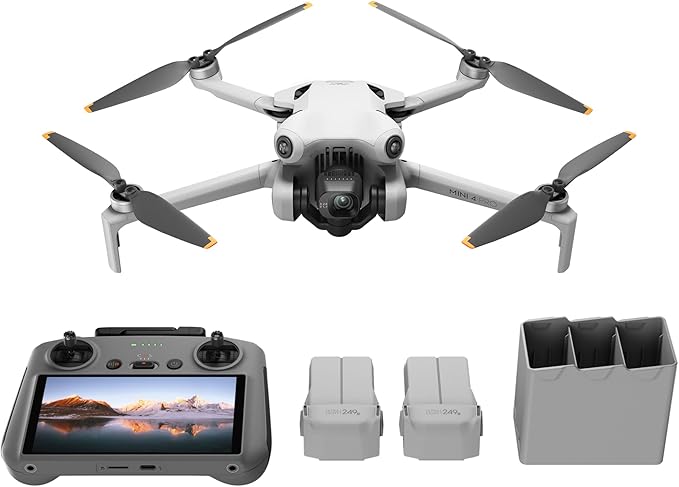
When most people think of drones, they picture something like a DJI Mavic. These are incredible tools for photography and videography—stable, GPS-locked, and designed for smooth, cinematic shots. You fly them by looking at a screen on your phone or controller.
An FPV (First-Person View) drone is a completely different beast.
Think of it this way: flying a standard drone is like directing a movie from the safety of a director’s chair. Flying an FPV drone is like being strapped to the front of a fighter jet. You see exactly what the drone sees, in real-time, through a pair of video goggles. This creates an unparalleled sense of presence and control, allowing for maneuvers that are simply impossible with a GPS drone.
| Feature | Standard (e.g., DJI Mavic) | FPV Drone |
|---|---|---|
| Viewing Method | Screen on a controller or phone | Video goggles |
| Flight Feel | Stable, smooth, automated | Raw, direct, fully manual |
| Primary Use | Aerial photography, videography | Racing, freestyle, cinematic action |
| Speed & Agility | Moderate speed, limited tilt | Extremely fast and agile |
| Learning Curve | Easy, beginner-friendly | Steep, requires practice |
How Does an FPV Drone Actually Work?
So, what’s the magic that makes this immersive flight possible? It’s a beautiful symphony of a few key components working together to send a live video feed from the drone directly to your eyes.
The Core System: A Three-Part Harmony
- The Drone Itself: The drone is equipped with a small camera on the front. This camera’s sole purpose isn’t just to record pretty pictures; it’s your new set of eyes.
- The Video Transmitter (VTX): Attached to the camera is a VTX. This powerful little device takes the video signal from the camera and broadcasts it out as a radio signal, much like a tiny TV station.
- The FPV Goggles: Your goggles have a receiver that tunes into the frequency from the VTX. It decodes the radio signal and displays the live video on two small screens inside, one for each eye, giving you that first-person view.
This entire process happens with incredibly low latency—we’re talking milliseconds. This near-instantaneous feedback is what allows pilots to fly at high speeds and navigate complex environments with precision.
What are the Key Parts of an FPV Drone?
Underneath the hood, an FPV drone is a marvel of lean engineering. Unlike consumer drones that hide everything in a plastic shell, most FPV drones proudly display their components.
- Frame: The carbon fiber skeleton that holds everything together. It needs to be lightweight but incredibly durable to survive the inevitable crashes.
- Flight Controller (FC): The brain of the drone. It takes your inputs from the controller and tells the motors what to do.
- Electronic Speed Controllers (ESCs): Each motor has its own ESC. They act as the translators, taking the signal from the FC and delivering the precise amount of power to each motor.
- Motors & Propellers: The muscle. These work in pairs to generate thrust, lift, and control the drone’s movement through the air.
- FPV Camera & VTX: Your eyes and your voice, sending the live feed back to you.
- Radio Receiver: This tiny component receives the signals from your radio controller, telling the Flight Controller how you want to fly.
“The first time you put on the goggles and punch the throttle, the world just melts away. It’s not like playing a video game; you are the aircraft. That connection is something every FPV pilot remembers.” – Dr. Alistair Finch, Aerospace Robotics Engineer
The Thrilling Worlds of FPV: Racing and Freestyle
Once you understand what an FPV drone is, you’ll see it’s less a single product and more a key to unlock several exciting disciplines. The two most popular are racing and freestyle.
Drone Racing: The Need for Speed
This is the Formula 1 of the skies. Pilots navigate custom-built courses with gates, flags, and hairpin turns at speeds exceeding 100 mph (160 kph). It’s a high-adrenaline sport that demands lightning-fast reflexes and hundreds of hours of practice. Winning is a matter of shaving off milliseconds on every turn.
Freestyle: Aerial Acrobatics
If racing is a track meet, freestyle is a skate park. Freestyle pilots seek out interesting locations—abandoned buildings, parks, and epic landscapes—to perform a dance in the sky. It’s all about flow, technical skill, and creativity, executing tricks like flips, rolls, and dives that defy gravity. This is where you see those incredible “cinewhoop” videos flying through buildings and chasing cars.
Is Learning to Fly FPV Hard? Your Path to Success
Let’s be real: learning FPV is challenging. There are no safety sensors, no GPS position hold, and no “return to home” button to save you. You are in 100% manual control, a mode often called “Acro” (for acrobatic).
I remember my first time trying to hover in Acro mode. The drone shot up, I overcorrected, and it immediately slammed into the ground. It’s a humbling experience! But it’s also incredibly rewarding. The steep learning curve is precisely what makes mastering it feel so good.
So, how do you start without breaking a dozen drones?
- Start in a Simulator: This is non-negotiable. An FPV simulator like Liftoff, DRL Simulator, or Velocidrone lets you crash thousands of times for free. You connect your actual radio controller to your computer and build real muscle memory. Spend at least 20-30 hours here.
- Buy a “Ready-to-Fly” (RTF) Kit: For your first drone, an all-in-one kit is a great option. These typically include the drone, goggles, and a controller that are already configured to work together.
Bảng trống. - Find an Open Field: Your first real flights should be in a huge, empty field with no people, trees, or buildings. Give yourself plenty of room to make mistakes.
- Practice the Basics: Don’t try to be a freestyle hero on day one. Just practice hovering, flying in straight lines, and making simple turns.
- Join the Community: FPV has an incredible community. Join online forums, Discord servers, or local flying clubs. Experienced pilots are almost always happy to share tips and help new pilots get started.
Safety and Regulations: Fly Smart, Fly Safe
With great power comes great responsibility. FPV drones are fast and powerful, so flying safely and legally is paramount.
- Always Maintain Visual Line of Sight (VLOS): This is a key regulation in most countries, including the US (FAA) and Europe (EASA). While you’re “seeing” through the goggles, you legally need a spotter with you who can keep a direct eye on the drone at all times.
- Know Your Local Laws: Regulations vary wildly by region. Research the rules set by your local aviation authority. This includes registration requirements, altitude limits, and areas where you are not allowed to fly (like near airports or over crowds).
- Respect Privacy: Never fly over private property or record people without their permission.
- Use a Failsafe: Set up your drone’s failsafe feature. This ensures that if you lose signal, the motors will cut off, preventing the drone from flying away uncontrollably.
Frequently Asked Questions (FAQ)
Q: Is flying an FPV drone harder than a regular DJI drone?
A: Yes, significantly harder. FPV drones require full manual control without the stabilization aids of a GPS drone. However, the experience is also far more engaging and rewarding once you master the skills in a simulator.
Q: How much does it cost to get into FPV?
A: A good beginner “Ready-to-Fly” (RTF) kit can range from $250 to $500. As you advance, individual components for a custom-built drone can cost significantly more, with high-end digital FPV systems pushing the total over $1000.
Q: Can I use an FPV drone for photography?
A: While possible, it’s not their primary purpose. FPV drones are built for motion and agility, not for stable, hovering shots. For high-quality still photography, a GPS drone like a DJI Mavic is a much better tool for the job.
Q: How far can an FPV drone fly?
A: The range is determined by your video and radio link. Analog FPV systems can fly several miles in ideal conditions, while digital systems typically have a slightly shorter but clearer range. However, you must always fly within your legal visual line of sight.
Q: Are FPV drones legal?
A: Yes, FPV drones are legal to fly in most countries, but you must follow the regulations set by your local civil aviation authority (like the FAA in the USA). This often includes registration, flying with a spotter, and staying away from restricted areas.
Your Journey into a New Sky Awaits
So, what is an FPV drone? It’s more than just a piece of technology. It’s a key to an experience, a portal to a feeling of flight that was once reserved for birds and pilots. It’s a challenging, rewarding, and deeply creative hobby that connects you to the air in a way no other device can.
Whether you dream of becoming a world-class drone racer, a cinematic artist painting lines in the sky, or simply want to experience the pure joy of flight, FPV has a place for you. Start with a simulator, respect the rules, and prepare to see the world from a completely new and exhilarating perspective. The sky is waiting.