The drone industry has soared to new heights, transforming various sectors from real estate to agriculture. For anyone looking to leverage this cutting-edge technology for professional purposes, obtaining a Federal Aviation Administration (FAA) Part 107 Remote Pilot Certificate is not just an option—it’s a legal necessity. This comprehensive guide will navigate you through every step of acquiring this crucial credential, equipping you with the knowledge to legally and safely operate drones for commercial gain. Whether you’re a budding aerial photographer or a seasoned technician aiming to expand your services, understanding the Part 107 regulations is your first flight path to success in the commercial drone world.
What is the FAA Part 107 License?
The FAA Part 107 license, officially known as the Remote Pilot Certificate with a Small Unmanned Aircraft System (sUAS) rating, is the Federal Aviation Administration’s regulation governing commercial drone operations in the United States. It outlines the rules for flying drones for business, research, or any non-recreational activity. This certification demonstrates that a drone pilot possesses the necessary aeronautical knowledge to safely operate an sUAS within the National Airspace System.
This distinction between recreational and commercial use is critical. Flying a drone purely for hobby and personal enjoyment falls under different FAA guidelines, typically Part 107, Subpart E (The Exception for Limited Recreational Operations of Unmanned Aircraft). However, if you are flying a drone to generate income, promote a business, conduct inspections, or perform any work-related task, the Part 107 license is mandatory. Without it, you are operating illegally and risk significant penalties.
Who Can Get a Part 107 License? Eligibility Requirements
Becoming a certified commercial drone pilot under Part 107 is accessible to many, but certain foundational requirements must be met. The FAA has set clear criteria to ensure that all remote pilots have a basic level of capability and understanding. Primarily, you must be at least 16 years old to be eligible to apply for the certificate. This age requirement ensures a certain level of maturity and responsibility among operators of commercial drones.
Furthermore, applicants must be proficient in English, meaning they should be able to read, speak, write, and understand the language. This is crucial for clear communication with air traffic control, understanding aviation regulations, and interpreting weather reports and NOTAMs (Notices to Airmen). Lastly, you must be in a physical and mental condition that would not interfere with the safe operation of a small unmanned aircraft. This does not necessarily require a full medical examination but implies that any condition impairing safe judgment or control could disqualify an applicant. It is important to note that, unlike traditional pilot licenses, the FAA does not require applicants to demonstrate drone flight proficiency to obtain the initial Part 107 certificate; the focus is primarily on aeronautical knowledge.
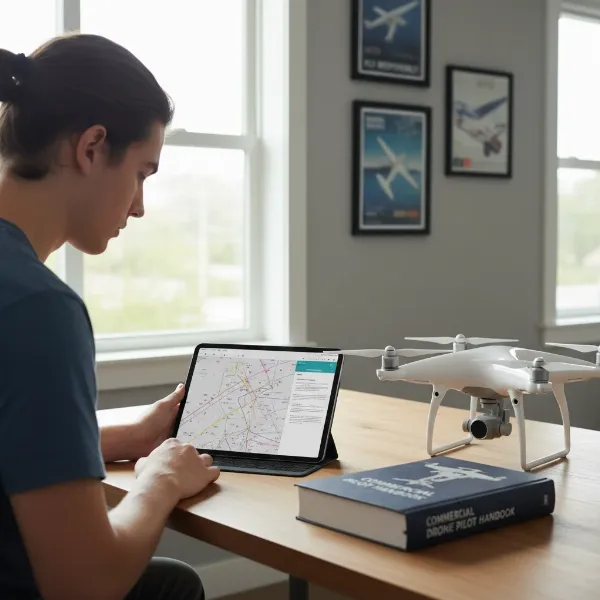 A drone pilot studying for the Part 107 exam with a drone on a table, illustrating eligibility requirements and study materials.
The Path to Certification: Step-by-Step Guide
Embarking on the journey to become a commercial drone pilot involves a clear, systematic process laid out by the FAA. Adhering to these steps will ensure a smooth transition from an aspiring pilot to a certified professional.
- Meet Basic Eligibility: Confirm you meet the age, language, and physical/mental condition requirements as outlined above.
- Obtain an FAA Tracking Number (FTN): Register with the Integrated Airman Certification and Rating Application (IACRA) system to receive your unique FTN. This number is essential for all future FAA interactions, including scheduling your test.
- Prepare for the Aeronautical Knowledge Test: This is arguably the most critical step. Dedicate ample time to studying the required subject matter. Many online courses, study guides, and practice tests are available to aid your preparation.
- Schedule Your Test: Once confident in your knowledge, schedule the “Unmanned Aircraft General – Small (UAG)” test at an FAA-approved knowledge testing center. You can find these centers through the PSI website (the FAA’s testing contractor).
- Pass the Part 107 Exam: Successfully complete the 60-question multiple-choice exam. A score of 70% or higher is required to pass.
- Apply for Your Remote Pilot Certificate: After passing the exam, return to the IACRA system to complete your application for the Remote Pilot Certificate. You will need the 17-digit knowledge test report code provided at the testing center.
- Complete the TSA Background Check: As part of the application process, the Transportation Security Administration (TSA) will conduct an automatic background check. This is standard procedure and typically does not require any additional action on your part.
- Receive Your Certificate: Upon successful completion of the background check, you will first receive a temporary certificate via email, usually within 10 business days. Your official, plastic Remote Pilot Certificate will then be mailed to you, typically arriving within 6-8 weeks.
Mastering the Part 107 Knowledge Test: Key Topics and Preparation
The FAA Part 107 Aeronautical Knowledge Test, officially named “Unmanned Aircraft General – Small (UAG),” is designed to ensure you have a robust understanding of the regulations and best practices for safe drone operation. The exam consists of 60 multiple-choice questions, and you are allotted two hours to complete it. A passing score of 70% or higher is required. The test fee is approximately $175, though this can vary slightly by testing center.
Core Topics
The exam covers a wide array of topics crucial for safe and legal drone flight. These include:
- FAA Regulations (Part 107): The specific rules governing small unmanned aircraft systems.
- Airspace Classification & Operating Requirements: Understanding different airspace types (Class B, C, D, E, G) and the rules for operating within them, including obtaining authorizations.
- Aviation Weather & Effects on sUAS: Interpreting weather reports (METARs, TAFs), understanding cloud formations, temperature inversions, and how weather phenomena impact drone performance.
- sUAS Loading & Performance: Calculating weight and balance, understanding the effects of performance-limiting factors, and proper maintenance.
- Emergency Procedures: What to do in case of flyaways, lost link, or other in-flight emergencies.
- Crew Resource Management (CRM): The effective use of all available resources (human, hardware, information) to ensure safe and efficient operations.
- Radio Communication Procedures: Basic understanding of aviation radio etiquette and terminology.
- Physiological Effects of Drugs & Alcohol: Understanding how substance impairment affects pilot performance and decision-making.
- Aeronautical Decision-Making (ADM): A systematic approach to risk assessment and decision-making during flight operations.
- Reading Sectional Charts: Interpreting symbols, lines, and data on aviation maps to understand airspace, terrain, and obstacles.
- Airport Operations: Understanding airport environments, traffic patterns, and communication protocols near controlled airports.
|
Our Picks for the Best Drone in 2026
As an Amazon Associate I earn from qualifying purchases.
|
||
| Num | Product | Action |
|---|---|---|
| 1 | Drone with Camera 1080P HD FPV Foldable Mini Drone for Beginners Kids Adults, Drone with One Key Take Off/Landing, Gesture Selfie, Altitude Hold, 3D Flip, Easy to Fly, 2 Batteries, Toys for Boys Girls |

|
| 2 | DJI Mini 4K, Drone with 4K UHD Camera for Adults, Under 249 g, 3-Axis Gimbal Stabilization, 10km Video Transmission, Auto Return, Wind Resistance, 1 Battery for 31-Min Max Flight Time, Intelligent |
|
| 3 | Drone with 1080P Camera - Foldable Remote Control Quadcopter with Gesture Control, 3D Flip, One Key Start, Emergency Stop, 2 Batteries, Easier to use, Toy for Kids Adult Beginners |
|
| 4 | GPS Drones with Camera for Adults 4K, FPV Drone Under 249g with Brushless Motor, GPS Auto Return, Follow Me, Circle Fly, Waypoint Flight, Foldable Drone with Gesture Control, 46Mins with 2 Batteries |
|
| 5 | DJI Air 3S Fly More Combo (RC 2 Screen Remote Controller), Drone with 1" CMOS Wide-Angle & Medium Tele Camera for Adults, 4K/60fps, Omnidirectional Sensing & 3 Batteries for Extended Flight Time |
|
| 6 | DJI Mini 3 Fly More Combo (DJI RC), Drones with Camera for Adults 4K, 3 Batteries for 114-min Flight Time, Vertical Shooting, 32800ft (10km) Video Transmission, Lightweight Mini Drone for Beginners |
|
| 7 | DJI Mini 4K Camera Drone Combo, Drone with 4K UHD Camera for Adults, Under 249 g, 3-Axis Gimbal Stabilization, 10km Video Transmission, Auto Return, 2 Batteries for 62-Min Max Flight Time, QuickShots |
|
| 8 | Drone with Camera for Adults 4K, Brushless Motor Drones for Kids Beginners, 60 Mins Flight, 130° Lens, FPV Foldable RC Quadcopter, Gesture Photography, Toys Gifts for Teen Boys Girls, Black |
|
| 9 | Drone with Camera - Drone with Screen on Controller for Beginners, Foldable Remote Control Quadcopter with Gesture Control, 3D Flip, One Key Start, Emergency Stop, 2 Batteries, Easier to use to use |
|
| 10 | Drone with Camera, Drones for Adults and Beginners, 1080P HD FPV Foldable Mini Drones for Kids, with 2 Batteries, Carrying Case, Trajectory Flight, Gravity Control, One-Key Takeoff/Landing, 360° Flip, Toys for Gift |
|
Effective Study Strategies
Preparing for the Part 107 exam typically requires dedicated study, often around 15-20 hours over a period of 2-3 weeks. Many successful candidates utilize a combination of resources:
- Online Courses: Numerous reputable online courses offer structured lessons, video explanations, and practice questions. These are often updated to reflect the latest FAA regulations.
- FAA Resources: The FAA provides official Handbooks, such as the “Remote Pilot – Small Unmanned Aircraft Systems Airman Certification Standards (ACS)” and the “Pilot’s Handbook of Aeronautical Knowledge,” which are invaluable.
- Practice Tests: Regularly taking practice tests helps you become familiar with the question format, identify areas of weakness, and build confidence.
- Flashcards: Creating flashcards for key terms, regulations, and airspace classifications can aid memorization.
Remember, the goal is not just to memorize answers but to genuinely understand the underlying aviation concepts to ensure safe and responsible operations.
Operating Under Part 107: Rules, Limitations, and Best Practices
Once certified, a Part 107 remote pilot is empowered to conduct commercial drone operations, but this privilege comes with a set of stringent rules and operational limitations designed to ensure safety within the national airspace. Adhering to these regulations is paramount for maintaining your license and avoiding legal repercussions.
- Visual Line of Sight (VLOS): The remote pilot in command (RPIC) and any visual observers must maintain direct, unaided visual contact with the sUAS throughout the entire flight. This means you cannot fly your drone beyond your line of sight.
- Altitude and Speed Limits: Commercial drones are generally restricted to a maximum altitude of 400 feet AGL (above ground level) or 400 feet above the top of a structure if flying within a 400-foot radius of that structure. The maximum ground speed is limited to 100 mph (87 knots).
- Daylight Operations: Flights are primarily limited to daylight hours. However, operations during civil twilight (30 minutes before sunrise to 30 minutes after sunset) are permitted if the drone is equipped with anti-collision lights visible for at least 3 statute miles.
- Operations Over People and Moving Vehicles: Generally, operations over people not directly participating in the operation or under a covered structure are prohibited without a specific waiver or a drone with a Class rating. Similarly, operations from a moving vehicle are restricted unless in a sparsely populated area and the drone is not transporting property for hire.
- Airspace Authorizations (LAANC): Operating in controlled airspace (Class B, C, D, E) requires prior authorization from Air Traffic Control (ATC). The Low Altitude Authorization and Notification Capability (LAANC) system provides an efficient way to request near real-time airspace authorizations for flights below approved altitudes.
- Responsible Operation: The remote pilot is always responsible for the safe operation of the sUAS. This includes pre-flight inspections, checking weather conditions, ensuring the drone is in airworthy condition, and making informed decisions to mitigate risks.
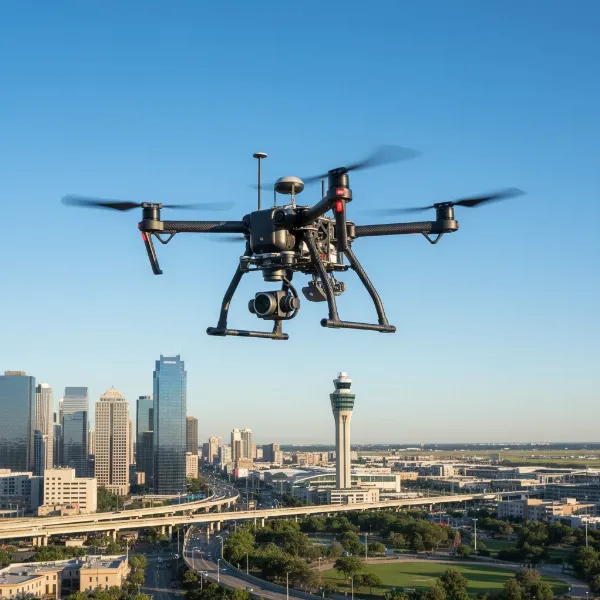 A drone flying safely within controlled airspace, depicting operational rules and limitations for commercial drone pilots.
> “Understanding and strictly adhering to Part 107 operational rules isn’t just about compliance; it’s about establishing a foundation of safety and professionalism that benefits the entire drone industry.” – John Doe, Senior FAA Drone Regulations Specialist
Beyond Certification: Maintaining Your Part 107 License
Obtaining your Part 107 license is a significant achievement, but it’s not a one-time event. The FAA requires remote pilots to maintain their aeronautical knowledge to ensure they stay current with regulations and best practices. This is achieved through recurrent training.
- Recurrent Training Requirement: To keep your Remote Pilot Certificate valid for commercial operations, you must complete recurrent training every 24 calendar months. This means that if you passed your initial test in January 2024, you would need to complete your recurrent training by the end of January 2026.
- Online Renewal Process: Unlike the initial certification, which requires an in-person knowledge test, the recurrent training is primarily an online process. The FAA offers free online courses through its FAASafety.gov website. Most remote pilots will take the “Part 107 Small UAS Recurrent – Non-61 Pilots” course (ALC-677). For those who also hold a Part 61 manned pilot certificate with a current flight review, there’s a specific course titled “Part 107 Small UAS Recurrent – Part 61 Pilots” (ALC-515).
- No In-Person Test or Fees: A significant benefit of the recurrent training is that there are no additional testing fees or in-person exams. Upon successful completion of the online course and its associated knowledge assessment, you receive an instant certificate. This certificate serves as proof of your renewed aeronautical knowledge and should be kept with your other pilot documents.
- Importance of Staying Updated: The drone industry is dynamic, with regulations and technologies constantly evolving. Regular recurrent training ensures that commercial drone pilots are always informed about the latest changes, fostering a safer and more compliant operational environment. Missing the renewal deadline will render your Part 107 certificate invalid for commercial use until the training is completed.
The Value of Certification: Why Get Your Part 107?
For anyone considering a career or business venture involving drones, the FAA Part 107 license is more than just a piece of paper; it’s a gateway to professional opportunities and a testament to your commitment to safe and legal operations.
- Professional Credibility: Holding a Part 107 certificate immediately elevates your professional standing. It signals to clients, employers, and authorities that you are a knowledgeable and responsible operator who understands and adheres to federal aviation regulations. This credibility is invaluable in building trust and securing work.
- Legal Compliance: The most fundamental reason to obtain the license is to operate legally. Any drone activity conducted for compensation or business purposes without a Part 107 certificate is a violation of federal law and can result in significant fines and legal issues. Certification ensures you are operating within the bounds of the law, protecting yourself and your business.
- Opening Commercial Opportunities: A Part 107 license unlocks a vast array of commercial applications. Industries such as real estate, construction, agriculture, cinematography, infrastructure inspection, mapping, surveying, and public safety all rely on certified drone pilots. Without the license, these lucrative sectors remain inaccessible.
- Earning Potential: With legal authorization to perform commercial flights, certified drone pilots can command competitive rates for their services. The specialized skills and regulatory compliance that come with the Part 107 license contribute directly to increased earning potential and career growth in a rapidly expanding market. It’s an investment that pays dividends in terms of career advancement and financial returns.
Conclusion
Obtaining your FAA Part 107 Remote Pilot Certificate is an essential step for anyone aspiring to a career in the dynamic world of commercial drone operations. From understanding the core eligibility requirements and navigating the step-by-step certification process to mastering the intricacies of the aeronautical knowledge test, this guide illuminates the path forward. By diligently preparing for the exam, adhering to the operational rules, and committing to recurrent training, you not only ensure legal compliance but also establish yourself as a credible and capable professional. The Part 107 license is more than a regulatory hurdle; it’s an investment in your expertise, opening doors to diverse commercial opportunities and a thriving future in the drone industry. Are you ready to take flight and turn your passion for drones into a professional advantage?
Frequently Asked Questions
How much does the Part 107 license cost?
The primary cost for the Part 107 license is the FAA Aeronautical Knowledge Test fee, which is approximately $175. Additionally, you may incur costs for study materials, online courses, or practice tests, which can range from free resources to several hundred dollars for comprehensive training programs.
How long does it take to get the Part 107 license?
The timeline can vary based on individual study habits and scheduling. Typically, studying for the exam takes 15-20 hours over 2-3 weeks. After passing the test, you can receive a temporary certificate within 10 business days, with the official plastic card arriving by mail in 6-8 weeks.
Do I need a Part 107 license for recreational flying?
No, a Part 107 license is not required for purely recreational drone flying. Recreational pilots must follow specific rules, often by passing The Recreational UAS Safety Test (TRUST) and adhering to community-based organization guidelines, flying within visual line of sight, and not interfering with manned aircraft.
What is the difference between Part 107 and Part 61?
Part 107 specifically governs small Unmanned Aircraft Systems (sUAS) for commercial use. Part 61 refers to certifications for manned aircraft pilots (e.g., private pilot, commercial pilot). While a Part 61 pilot can obtain Part 107 privileges by taking a free online course, most commercial drone pilots obtain a standalone Part 107 Remote Pilot Certificate.
Can I fly a drone at night with a Part 107 license?
Yes, a Part 107 license permits night operations, but with specific conditions. The drone must be equipped with anti-collision lighting visible for at least 3 statute miles, and the remote pilot must complete specific night flight training or demonstrate knowledge of night operations.