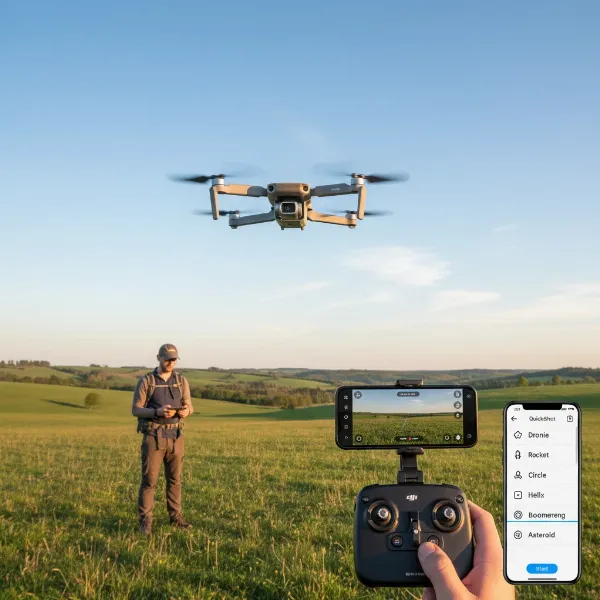
The night sky offers a uniquely captivating canvas for drone operations, transforming familiar landscapes into breathtaking spectacles and opening doors to critical applications like search and rescue or infrastructure inspection. However, unlocking this nocturnal potential comes with significant responsibilities, demanding adherence to specific regulations and a commitment to best practices to ensure safe, legal, and effective flights. This guide delves into the essential aspects of night drone operations, from FAA definitions to advanced techniques and common pitfalls.
Defining Night: FAA’s Perspective
Understanding what constitutes “night” in the eyes of the Federal Aviation Administration (FAA) is the foundational step for any drone pilot. The FAA defines “night” as the time between the end of evening civil twilight and the beginning of morning civil twilight, as published in the Air Almanac. Civil twilight, both morning and evening, is the period when the sun is 6 degrees below the horizon and its center is 0 degrees below the horizon. This period is typically about 30 minutes before sunrise and 30 minutes after sunset.
This distinction is critical for compliance because FAA regulations for drone flight specifically apply to operations conducted during “night” hours. Flying during civil twilight, while darker than daylight, often does not fall under the stricter night flight rules, though caution is always advised. Knowing the precise start and end times for night in your operational area is paramount for ensuring you meet all legal requirements.
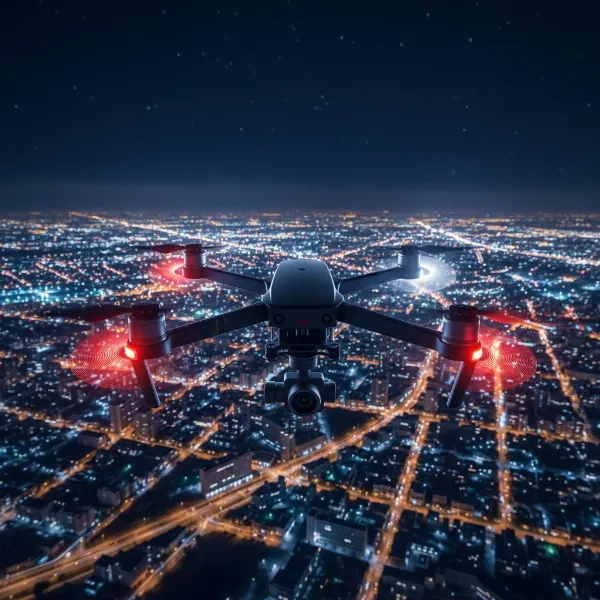 drone operating safely at night above a city with bright anti-collision lights
Legal Landscape: FAA Regulations for Night Operations
The regulatory framework for flying drones at night has evolved, particularly for commercial operators. Both Part 107 certified pilots and recreational flyers must understand and comply with specific requirements.
Part 107 Certified Pilots (Commercial)
Commercial drone pilots operating under FAA Part 107 face stringent rules designed to enhance safety during night flights.
- No More Waivers (Since April 2021): Previously, Part 107 pilots needed a specific waiver from the FAA to conduct night operations. This requirement was removed in April 2021, replaced by mandatory training and lighting requirements, simplifying the process for qualified pilots.
- Mandatory Anti-Collision Lighting: Drones must be equipped with anti-collision lights that are visible for at least 3 statute miles. These lights must flash at a rate sufficient to avoid collision and can be any color, although strobing white or red lights are common. The lighting must be mounted on the drone in a way that provides omnidirectional coverage as much as practicable. This ensures the drone is easily detectable by other aircraft and ground observers.
- Required Night Flight Training: All Part 107 pilots must pass an updated recurrent knowledge test or complete specific online training focused on night operations. Pilots certified before April 2021 needed to complete an online training course, while those certified after this date have night operation topics integrated into their initial Part 107 knowledge test. This training covers the physiological effects of night vision, night illusions, and other considerations for safe nocturnal flight.
- Maintaining Visual Line of Sight (VLOS) and Visual Observers: Even with enhanced lighting, the remote pilot in command (PIC) must maintain VLOS with the drone at all times. If the PIC cannot maintain VLOS alone, a visual observer (VO) must be used. The VO must also maintain VLOS with the drone and communicate any potential hazards to the PIC. The VO must be able to see the drone without artificial aids, other than corrective lenses.
- Remote ID Activation: All drones requiring registration must broadcast Remote ID information at all times, day or night. This feature, which identifies the drone and its control station, is crucial for public safety and national security.
- Airspace Authorizations (LAANC, ATC): Even at night, all standard airspace authorizations apply. For controlled airspace, pilots must obtain authorization through services like LAANC (Low Altitude Authorization and Notification Capability) or directly from air traffic control (ATC). Night operations might also require specific considerations from ATC due to potentially lower air traffic density but also reduced visibility for manned aircraft.
|
Our Picks for the Best Drone in 2026
As an Amazon Associate I earn from qualifying purchases.
|
||
| Num | Product | Action |
|---|---|---|
| 1 | GPS Drones with Camera for Adults 4K, FPV Drone Under 249g with Brushless Motor, GPS Auto Return, Follow Me, Circle Fly, Waypoint Flight, Foldable Drone with Gesture Control, 46Mins with 2 Batteries |

|
| 2 | DJI Mini 4K, Drone with 4K UHD Camera for Adults, Under 249 g, 3-Axis Gimbal Stabilization, 10km Video Transmission, Auto Return, Wind Resistance, 1 Battery for 31-Min Max Flight Time, Intelligent |
|
| 3 | DJI Mini 4K Camera Drone Combo, Drone with 4K UHD Camera for Adults, Under 249 g, 3-Axis Gimbal Stabilization, 10km Video Transmission, Auto Return, 2 Batteries for 62-Min Max Flight Time, QuickShots |
|
| 4 | Drone with Camera - Drone with Screen on Controller for Beginners, Foldable Remote Control Quadcopter with Gesture Control, 3D Flip, One Key Start, Emergency Stop, 2 Batteries, Easier to use to use |
|
| 5 | Drone with Camera, Drones for Adults and Beginners, 1080P HD FPV Foldable Mini Drones for Kids, with 2 Batteries, Carrying Case, Trajectory Flight, Gravity Control, One-Key Takeoff/Landing, 360° Flip, Toys for Gift |
|
| 6 | Drone with Camera 1080P HD FPV Foldable Mini Drone for Beginners Kids Adults, Drone with One Key Take Off/Landing, Gesture Selfie, Altitude Hold, 3D Flip, Easy to Fly, 2 Batteries, Toys for Boys Girls |
|
| 7 | DJI Mini 3 Fly More Combo (DJI RC), Drones with Camera for Adults 4K, 3 Batteries for 114-min Flight Time, Vertical Shooting, 32800ft (10km) Video Transmission, Lightweight Mini Drone for Beginners |
|
| 8 | DJI Air 3S Fly More Combo (RC 2 Screen Remote Controller), Drone with 1" CMOS Wide-Angle & Medium Tele Camera for Adults, 4K/60fps, Omnidirectional Sensing & 3 Batteries for Extended Flight Time |
|
| 9 | Drone with 1080P Camera - Foldable Remote Control Quadcopter with Gesture Control, 3D Flip, One Key Start, Emergency Stop, 2 Batteries, Easier to use, Toy for Kids Adult Beginners |
|
| 10 | Drone with Camera for Adults 4K, Brushless Motor Drones for Kids Beginners, 60 Mins Flight, 130° Lens, FPV Foldable RC Quadcopter, Gesture Photography, Toys Gifts for Teen Boys Girls, Black |
|
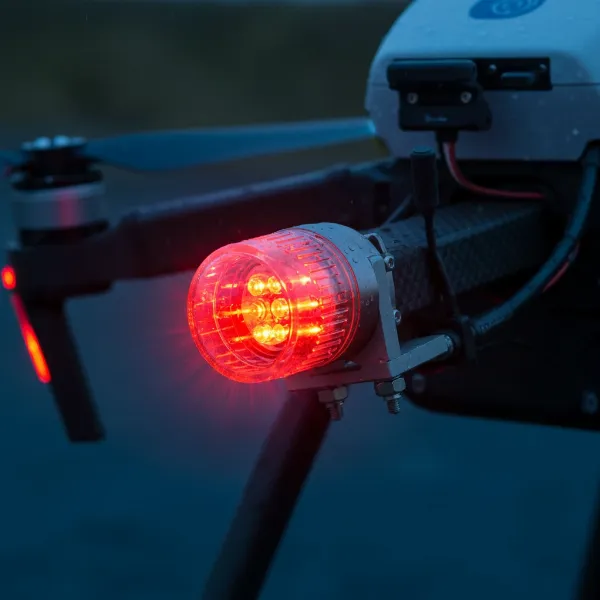 close up view of bright anti collision lights on a commercial drone
Recreational Drone Flyers
Recreational drone operators also have responsibilities when flying after dark, primarily adhering to community-based organization (CBO) guidelines and general safety principles.
- Adherence to Community-Based Organization (CBO) Guidelines: Recreational flyers must follow the safety guidelines established by a recognized CBO. Many CBOs provide specific guidance for night flight operations, often mirroring the safety principles of Part 107.
- Anti-Collision Lighting Requirements for Recreational Use: While not as strictly defined as for Part 107, recreational flyers are strongly encouraged, and often required by CBO guidelines, to use anti-collision lighting that makes their drone visible to other airspace users and people on the ground.
- TRUST Test and Drone Registration: All recreational flyers must pass The Recreational UAS Safety Test (TRUST) and register their drones with the FAA if they weigh 0.55 pounds (250 grams) or more. These requirements apply universally, day or night.
- VLOS and Remote ID Application: Like commercial pilots, recreational flyers must maintain VLOS with their drone. The use of a visual observer is highly recommended during night operations. Remote ID is also mandatory for recreational drones that require registration, ensuring accountability and safety.
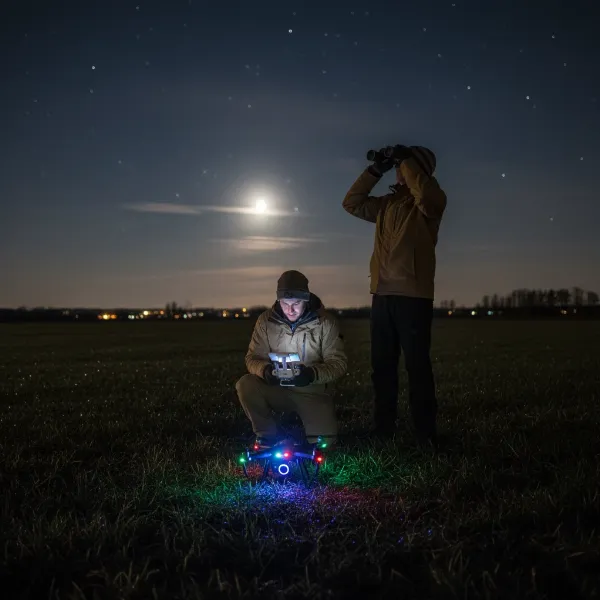 recreational drone pilot and visual observer preparing for night flight
Beyond Regulations: Best Practices for Safe Night Flying
Compliance is the baseline, but true safety and success in night operations stem from embracing best practices that go beyond the minimum legal requirements.
- Pre-Flight Preparation (Daylight Scouting, Weather Checks): Conduct a thorough reconnaissance of your flight area during daylight hours. Identify potential hazards like wires, trees, obstacles, and suitable emergency landing zones. Check weather forecasts meticulously, paying close attention to wind, temperature, and any possibility of fog or precipitation, which can severely impact night visibility and drone performance.
- Optimizing Your Ground Station (Red Lighting, VOs): Set up your ground station to minimize glare and maximize night vision. Red lighting for monitors or task lighting is ideal, as it helps preserve night adaptation. If using a visual observer, ensure they are positioned effectively, briefed on the flight plan, and have clear communication channels.
- Equipment Readiness (Battery Life, Spare Parts, Proper Lighting Checks): Night flights can drain batteries faster, especially in colder temperatures or with additional lighting. Ensure all batteries are fully charged and bring spares. Double-check all anti-collision lights and navigation lights for functionality before takeoff. Carry essential spare parts like propellers.
- Understanding Night Vision Limitations and Drone Orientation: Human eyes struggle with depth perception and color recognition at night. Be aware of your own visual limitations. Use the drone’s anti-collision lights not just for compliance, but as a critical tool for maintaining spatial awareness and understanding its orientation in the dark.
- Flight Logging and Documentation: Maintain detailed flight logs for all night operations. Document conditions, flight duration, any incidents, and battery performance. This information is invaluable for future planning, troubleshooting, and demonstrating compliance if ever required.
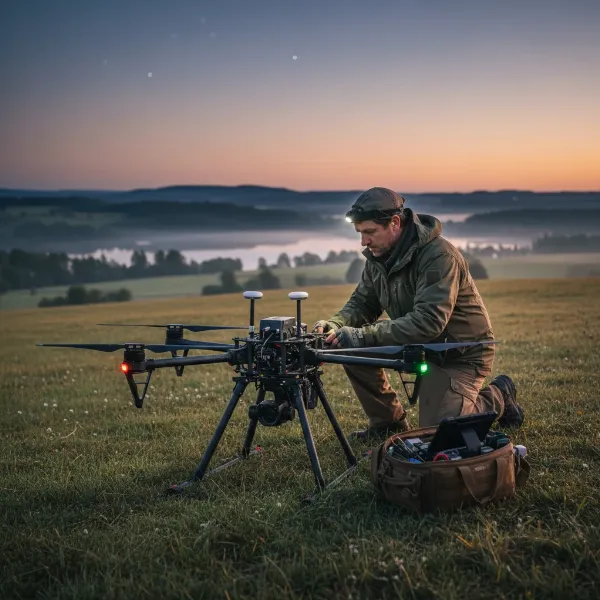 drone pilot conducting pre flight safety check at night
Advanced Night Operations: Common Use Cases
Night drone operations unlock unique capabilities across various sectors, offering perspectives and efficiencies not possible during daylight hours.
- Search and Rescue: Drones equipped with thermal cameras are invaluable for search and rescue missions at night. They can quickly scan large areas, detect heat signatures from missing persons or animals, and relay critical information to ground teams, significantly reducing response times.
- Infrastructure Inspections: Inspecting bridges, power lines, wind turbines, and other critical infrastructure can be more efficient at night, especially in areas with high daytime traffic or when looking for thermal anomalies. Drones can access hard-to-reach areas and provide detailed visual or thermal data without disrupting daily operations.
- Film and Photography (Tips for Long-Exposure): Night aerial photography and videography can produce stunning, artistic results. Long-exposure techniques, using low ISO and wide apertures, can capture light trails from vehicles, star movements, or cityscapes in a unique way. Experiment with different shutter speeds and post-processing to enhance these effects.
- Security and Surveillance: Drones provide a mobile and elevated platform for security and surveillance, monitoring large perimeters, construction sites, or events after dark. With thermal imaging, they can detect intruders or unusual activity that would be missed by traditional ground-based surveillance.
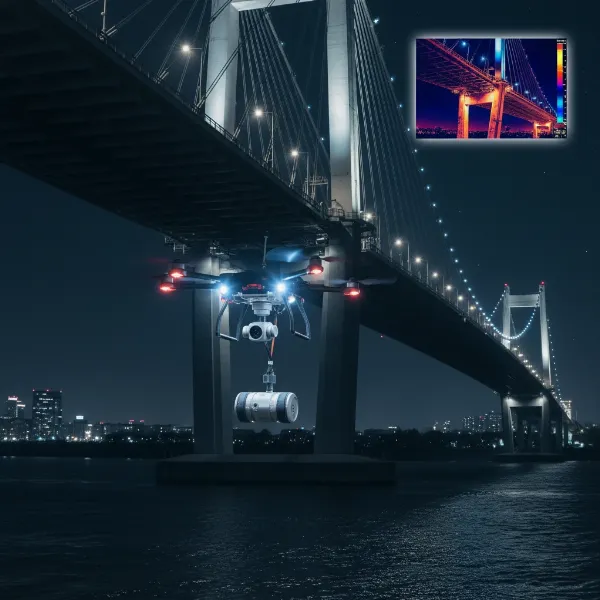 drone with thermal camera inspecting infrastructure at night
Avoiding Pitfalls: Common Night Flight Mistakes
Even experienced pilots can make mistakes when operating at night. Being aware of common pitfalls is the first step to avoiding them.
- Inadequate Lighting: Failing to equip the drone with sufficient anti-collision lighting, or having lights that are not bright enough or visible from all directions, is a serious safety and legal violation.
- Outdated Training/Certifications: Attempting night operations without having completed the required FAA night flight training or holding an outdated certification can lead to regulatory non-compliance and unsafe situations.
- Ignoring Remote ID or Airspace Restrictions: Overlooking the mandatory Remote ID activation or flying in restricted airspace without proper authorization, even at night when traffic might seem low, carries significant penalties.
- Poor Pre-Flight Planning: Neglecting daylight scouting, weather checks, or equipment readiness (especially battery levels) dramatically increases the risk of incidents during night operations. The lack of visual cues at night makes thorough planning even more critical.
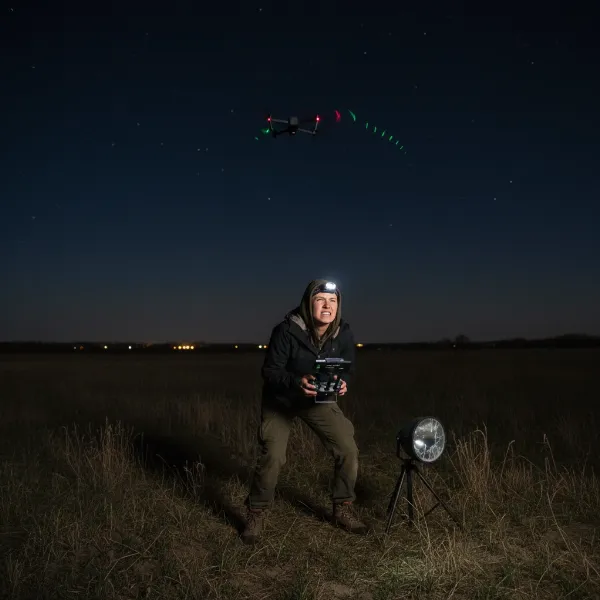 pilot struggling with drone inadequate lighting at night
Conclusion
Night drone operations present a compelling blend of opportunity and responsibility. From capturing breathtaking nocturnal imagery to performing critical search and rescue missions, the capabilities unlocked after dark are immense. However, leveraging these opportunities safely and legally hinges on a deep understanding of FAA regulations, meticulous planning, and a commitment to best practices. Pilots must prioritize ongoing education, equip their drones appropriately, and never underestimate the unique challenges of flying in low-light conditions. By doing so, they can confidently navigate the night sky, ensuring every flight is productive, compliant, and above all, safe.
FAQ
- Is it legal to fly a drone at night without a waiver? Yes, for Part 107 certified pilots, waivers are no longer required as of April 2021, provided they have completed the mandatory night flight training and equipped their drone with anti-collision lighting. Recreational flyers must adhere to CBO guidelines, which often include similar lighting recommendations.
- What kind of lights do I need for night drone flying? For Part 107 operations, anti-collision lights must be visible for at least 3 statute miles and flash at a sufficient rate. While any color is permitted, bright strobing white or red lights are common. They should be mounted to provide omnidirectional coverage. Recreational flyers are also strongly advised to use similar effective lighting.
- Do recreational flyers have different night flying rules? Yes, while some principles like VLOS and Remote ID apply to both, recreational flyers primarily follow community-based organization (CBO) guidelines rather than direct FAA night flight training requirements specific to Part 107. However, the FAA still encourages safe practices, including the use of anti-collision lights.
- What are the penalties for illegal night drone flight? Penalties can range from civil fines to license suspension, depending on the severity of the violation. Operating a drone unsafely, without required training, or in restricted airspace, especially at night, can result in significant legal consequences and put public safety at risk.