There’s nothing quite like that feeling. You’ve found the perfect spot, the lighting is golden, and you’re ready to capture some epic aerial footage. But then you feel it—a stiff breeze that turns into a persistent gust. Suddenly, your confidence wavers. We’ve all been there. Knowing How To Fly A Drone In The Wind is one of the most critical skills that separates a nervous novice from a confident pilot. It’s not just about fighting the elements; it’s about understanding them, respecting them, and working with them to get the shot safely.
This isn’t just another dry technical manual. This is your personal guide, born from my own white-knuckle experiences and countless hours in the air. We’re going to break down everything you need to know, from pre-flight checks to advanced in-air maneuvers, so you can stop letting the wind ground your ambitions. Ready to become a master of the skies, no matter what the weather throws at you? Let’s get into it.
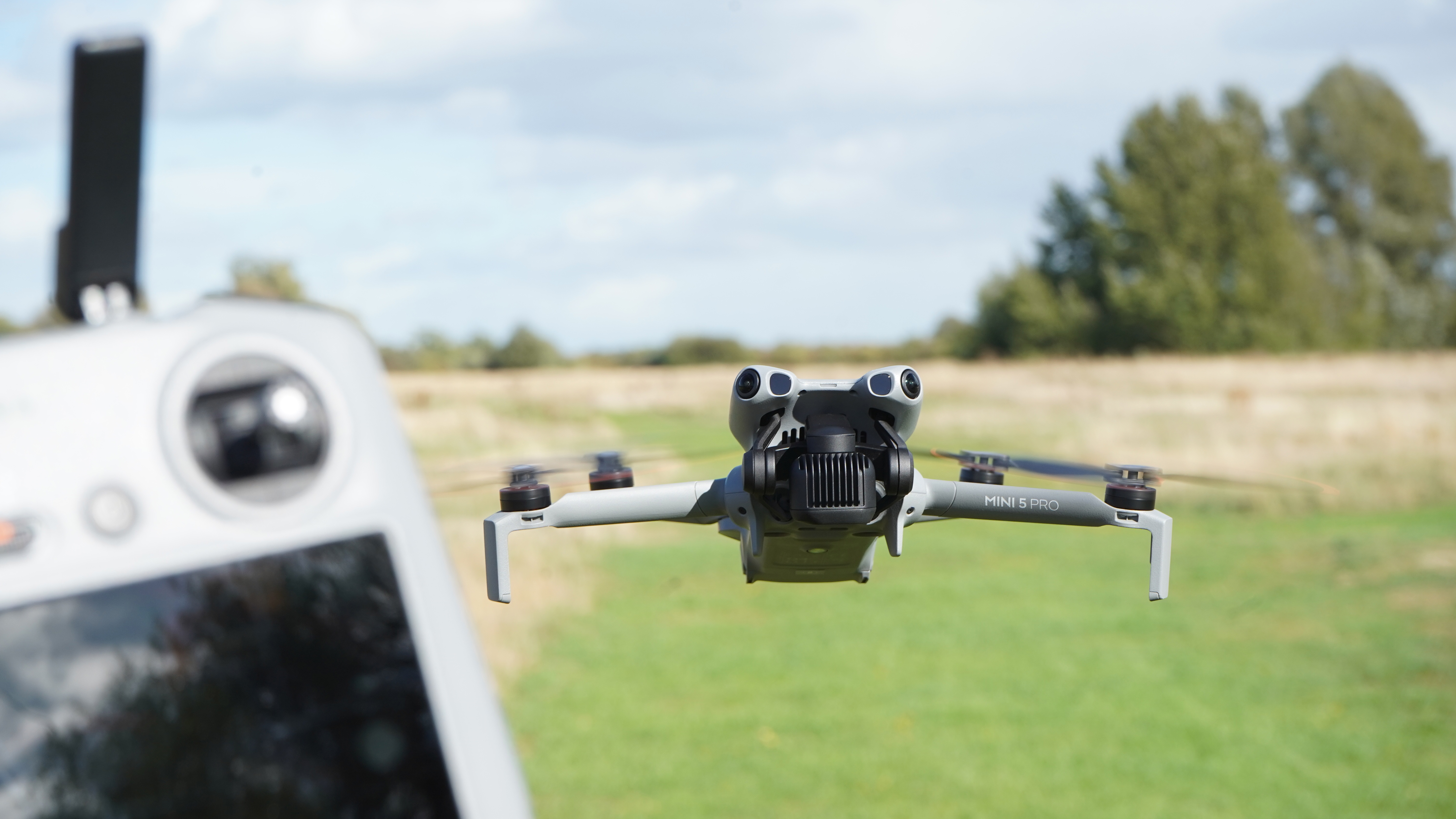
Why is Flying in the Wind Such a Big Deal Anyway?
Before we jump into the “how,” it’s crucial to understand the “why.” What makes a bit of wind so treacherous for our high-tech flying machines? It’s not just about the drone getting pushed around; it’s a trifecta of challenges that can catch even experienced pilots off guard.
- The Great Battery Drain: This is the silent killer. Your drone’s motors have to work overtime just to hold their position in the wind. The stronger the wind, the harder they work, and the faster your battery depletes. A flight that normally lasts 25 minutes might be cut down to 15 or even less.
- The Unpredictable Drift: In GPS mode, your drone is constantly making micro-adjustments to stay put. But a sudden, powerful gust can overwhelm its ability to compensate, causing it to drift unexpectedly. This is especially dangerous near obstacles like trees, buildings, or power lines.
- The Dreaded “Flyaway”: This is every pilot’s worst nightmare. If the wind speed exceeds your drone’s maximum flight speed, it can literally be carried away, unable to fight its way back to you. The Return-to-Home (RTH) function might even make things worse if it tries to ascend into even stronger winds.
Understanding these risks is the first step toward mitigating them. It’s about respecting the power of nature and knowing your gear’s limits.
Before You Fly: Your Windy Day Pre-Flight Checklist
Success in windy conditions is 90% preparation. Rushing into the air is a recipe for disaster. Before you even think about arming those props, run through this essential checklist.
- Become a Weather Geek: Don’t just look outside and guess. Use dedicated apps like UAV Forecast, Windy, or AirMap. These give you detailed information on wind speed, gust speed, and wind direction at different altitudes.
- Know Your Drone’s Limits: Dig into your drone’s manual or check the manufacturer’s website (like DJI or Autel) for its maximum wind resistance rating. As a general rule, you shouldn’t fly if the wind speed is more than two-thirds of your drone’s top speed.
- Calibrate, Calibrate, Calibrate: On a windy day, a perfect calibration is non-negotiable. Ensure your compass and Inertial Measurement Unit (IMU) are calibrated on a flat, level surface away from any metal interference. This gives your drone its best chance at stability.
- Inspect Your Gear: Check your propellers for any nicks, cracks, or warping. A damaged prop is a weak prop, and high winds will exploit any weakness. Make sure your battery is fully charged and securely locked in place.
- Scout Your Location: Walk the area. Identify potential hazards. Where will the wind be coming from? Are there “wind tunnels” between buildings? Where is your safest emergency landing spot if you need one quickly?
“Pilots often underestimate how wind behaves at altitude. The breeze you feel on the ground can be a fraction of the force your drone encounters 50 meters up. Your pre-flight prep and constant in-flight awareness are your two most important safety tools.” – Dr. Alistair Finch, Aerospace Engineer and Drone Dynamics Specialist.
## Master the Skies: How to Fly a Drone in the Wind
Alright, you’ve done your homework. The conditions are challenging but within your drone’s limits. It’s time to fly. Here’s how you manage your drone when the air gets rough.
The Takeoff and Landing Tango
Takeoff and landing are the most vulnerable moments of any flight. In wind, they require extra care.
- For Takeoff: Find a sheltered spot if possible. A clear, open space is best, but using the side of a building or car to block the initial gust can help. Take off quickly and decisively to about 10-15 feet. Don’t hover low to the ground where turbulence and downdrafts are most chaotic.
- For Landing: This is the tricky part. Avoid using the automatic RTH landing feature in high winds. It can be imprecise. Instead, fly the drone back manually. Bring it in low and fast, then slow down just before your landing spot to minimize the time it’s exposed to low-altitude gusts. Be prepared to “catch-land” it by hand if you’re experienced, but only if it’s safe to do so.
In-Flight Techniques for Staying in Control
Once you’re airborne, it’s all about smooth, deliberate movements and smart strategy.
- Fly Into the Wind First: Always, always, always fly out against the wind. Why? Because you’ll have the wind at your back on the return journey. This is your “tailwind” safety net. If you fly out with the wind, you might get a low battery warning and realize your drone doesn’t have enough power to fight the headwind all the way home.
- Keep It Low and Close: The higher you go, the stronger the wind generally gets. If you’re just trying to get some nice shots and the wind is picking up, consider flying at a lower altitude and keeping the drone closer to your position. This reduces risk and makes it easier to react to problems.
- Switch to Sport Mode (With Caution): Most modern drones have a “Sport Mode” that unlocks their full speed and agility. This can be a lifesaver if you need extra power to punch through a strong headwind. However, be aware that obstacle avoidance sensors are usually disabled in this mode, so you are in full manual control. Use it wisely.
- Avoid Sharp Turns: Banking hard into a turn exposes the large, flat surface of your drone to the wind, essentially turning it into a sail. Make your turns smooth and wide to maintain stability.
- Monitor Your Battery Like a Hawk: Your battery percentage is your fuel gauge, and in the wind, your drone is a gas-guzzler. I make it a personal rule to start heading back when my battery hits 50%, not the usual 30%. This gives me a huge safety margin for fighting headwinds on the return trip.
For those looking to upgrade their gear for better wind performance, a slightly heavier drone with more powerful motors can make a world of difference.
| Drone Model | Max Wind Resistance | Key Feature for Wind |
|---|---|---|
| DJI Mavic 3 Pro | 26.8 mph (12 m/s) | Robust frame and powerful motors |
| Autel EVO II Pro | 39 mph (17 m/s) | Exceptional power and stability |
| DJI Air 3 | 26.8 mph (12 m/s) | Great balance of size and wind handling |
Note: Always refer to the manufacturer’s official specifications.
Frequently Asked Questions (FAQ)
Here are some quick answers to the most common questions pilots have about flying in the wind.
What wind speed is too windy for a drone?
This depends on your specific drone model, but a good rule of thumb is to avoid flying in winds that exceed two-thirds of your drone’s maximum speed. For most consumer drones like the DJI Mini series, anything over 20 mph (32 kph) becomes very challenging and risky.
Can small drones like the DJI Mini 3 fly in the wind?
Yes, they can, and they are surprisingly capable for their size. However, their light weight makes them more susceptible to strong gusts. You must be extra cautious and fly in winds well below their stated maximum resistance, especially if you are a beginner.
How does wind really affect a drone’s battery life?
Wind significantly reduces battery life. The drone’s motors must spin faster and work harder to maintain a stable position (a process called “station keeping”). This increased power draw can easily cut your effective flight time by 30-50%.
What should I do if I get a high wind warning on my controller?
Don’t panic. The first step is to immediately stop what you’re doing and assess the situation. Lower your drone’s altitude, as winds are often weaker closer to the ground. Point the nose of the drone into the wind and begin flying it back toward you slowly and steadily.
Is it better to use GPS or ATTI mode in the wind?
For most pilots, GPS mode (or its equivalent) is the safest option. It automatically works to hold the drone’s position against the wind. Attitude (ATTI) mode disables GPS positioning, meaning the drone will drift with the wind if you let go of the sticks. ATTI mode is only for advanced pilots who need to perform specific maneuvers and have practiced extensively.
Final Thoughts: Respect the Wind, Rule the Sky
Learning how to fly a drone in the wind is a journey, not a destination. It’s about building an intuition for the weather and a deep understanding of your equipment. My first few windy flights were nerve-wracking, but by following these principles—prepare meticulously, fly strategically, and always prioritize safety—I slowly built the confidence to fly when others stayed on the ground.
The wind doesn’t have to be your enemy. Think of it as a challenge that, once mastered, will make you a more skilled and respectable pilot. So check the forecast, trust your gut, and fly smart. The sky is waiting.