So, you’ve got the itch. You’ve seen those jaw-dropping aerial shots on YouTube, the cinematic sweeps over mountains and oceans, and you’re thinking, “I want to do that.” Welcome to the club! But then comes the big question that lands every aspiring pilot back on solid ground: How Much Does A Good Drone Cost? It’s a simple question with a surprisingly complex answer. I remember my first time diving into this world; the sheer number of options, price points, and technical specs felt like trying to drink from a firehose.
The truth is, the price of a “good” drone can range from a couple of hundred dollars to the price of a used car. But don’t let that scare you. The goal isn’t to find the most expensive drone; it’s to find the right drone for you. This guide will break down the costs, demystify the tech, and help you navigate the skies without breaking the bank.
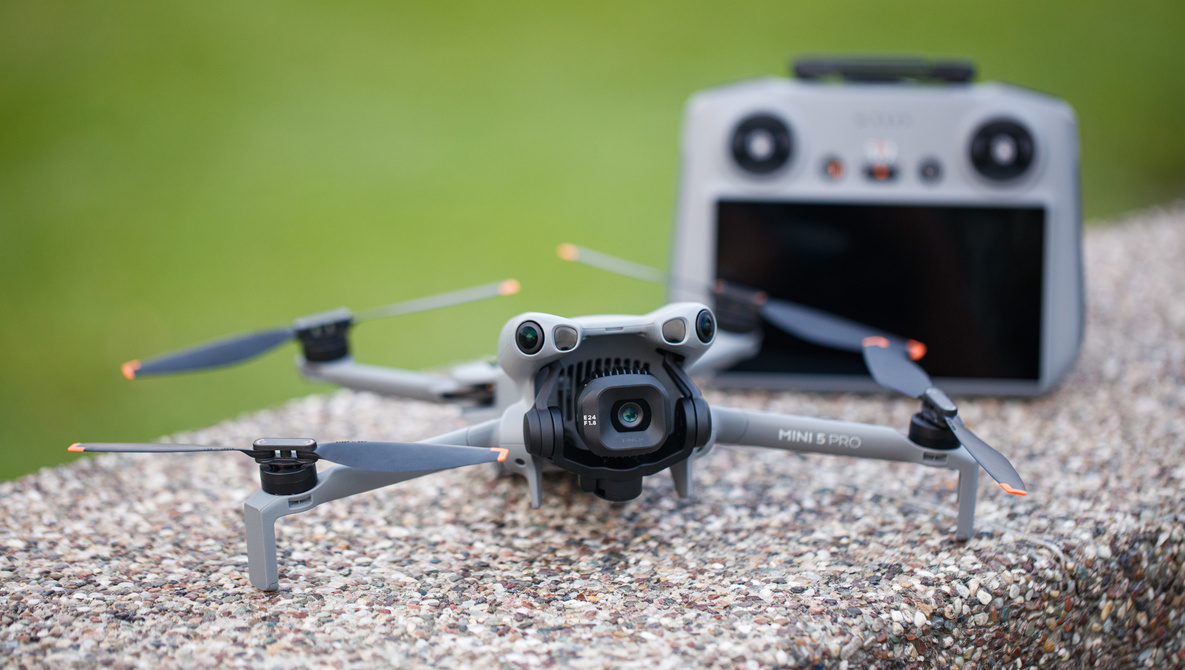
So, What’s the Real Price of a Good Drone?
Let’s cut to the chase. For most people, a good drone that delivers stunning 4K video, is easy to fly, and is packed with safety features will cost somewhere between $300 and $900. This is the sweet spot where quality, performance, and value intersect.
Of course, “good” is subjective. A good drone for a 10-year-old is vastly different from a good drone for a professional filmmaker. To give you a clearer picture, let’s break the market down into three main categories.
Tier 1: The Entry Ticket – Beginner Drones (Under $300)
Think of these as your flight school trainers. Drones in this price range are fantastic for learning the basics of flight control without the anxiety of crashing a thousand-dollar piece of equipment.
- What you get: You’ll typically find a 720p or 1080p camera, often without mechanical stabilization (meaning video can be a bit shaky). Flight times are shorter, usually around 10-15 minutes per battery. They’ll lack advanced features like GPS-based return-to-home or sophisticated obstacle avoidance.
- Who they’re for: These are perfect for kids, absolute beginners, or anyone who just wants to have some fun flying in the backyard. They’re an excellent, low-risk way to find out if this hobby is really for you.
- The Bottom Line: You won’t be shooting a Hollywood blockbuster, but you’ll have a blast and learn invaluable piloting skills.
Tier 2: The Sweet Spot – Hobbyist Drones ($300 – $900)
This is where the magic really happens for most people. This price range is dominated by incredible machines that were considered professional-grade just a few years ago.
- What you get: This is the land of crisp, stable 4K video thanks to 3-axis mechanical gimbals. Expect flight times of 25-35 minutes, a solid control range, and crucial safety features like GPS positioning, reliable return-to-home functions, and basic obstacle avoidance sensors. You’ll also get access to “intelligent flight modes” like subject tracking and pre-programmed cinematic shots. I still remember the feeling of unboxing my first drone in this category. The jump in quality from the sub-$300 toy I started with was absolutely mind-blowing. Suddenly, the epic shots I’d been dreaming of were within reach.
- Who they’re for: This is the category for serious hobbyists, travelers, content creators, and anyone who wants to capture high-quality photos and videos from the air. If you’re looking for a drone for your family vacations or your YouTube channel, start your search here.
Bảng trống. - The Bottom Line: For most users, this category offers the best bang for your buck, providing near-professional results without the professional price tag.
Tier 3: The Power Players – Prosumer & Professional Drones ($1,000+)
Once you cross the four-figure threshold, you’re entering the realm of prosumer and professional tools. These drones are built for those who demand the absolute best in image quality and performance.
- What you get: The biggest leap is in camera technology. We’re talking larger sensors (like 1-inch or Micro Four Thirds) for better low-light performance and dynamic range. You’ll get higher video bitrates, professional color profiles (like 10-bit D-Log), and adjustable apertures for more creative control. These drones also feature more robust, all-directional obstacle avoidance systems and extended flight times and ranges.
- Who they’re for: Professional photographers and videographers, filmmakers, real estate marketers, and industrial users (for inspections, mapping, etc.).
- The Bottom Line: These are specialized tools for when image quality is paramount and reliability is non-negotiable. The answer to how much does a good drone cost for a working professional is often “whatever it takes to get the shot.”
What Key Features Drive Up the Drone’s Cost?
Ever wondered why two drones that look similar can have a $500 price difference? It all comes down to the technology packed inside.
- Camera & Gimbal: This is the biggest factor. A larger sensor, 4K or 5K resolution, higher frame rates, and professional video codecs all add to the cost. The mechanical gimbal, the robotic arm that keeps your shot silky smooth, is also a sophisticated piece of engineering.
- Flight Time: More flight time means more advanced battery technology and more efficient motors, both of which increase the price.
- Range & Transmission: Cheaper drones use Wi-Fi, which has a limited and often unreliable range. More expensive models use proprietary radio systems (like DJI’s OcuSync) that provide a crystal-clear video feed from miles away.
- Sensors & Intelligent Flight: The complex system of sensors for obstacle avoidance and the processors needed for intelligent flight modes (like automatically following a subject) are significant cost drivers.
- Build Quality & Portability: A well-built, foldable drone that can withstand a bit of rough handling and fit into a backpack costs more to design and manufacture.
“People often ask for the ‘best’ drone. The better question is, ‘What’s the best drone for my goal?’ A $400 drone that captures your family vacation perfectly is a better investment than a $2,000 cinema drone that’s too complicated to use. The cost is only one part of its value.”
— Dr. Elias Vance, Aerospace Technology Analyst
Don’t Forget The Hidden Costs: What Else Do You Need?
Buying the drone is just the start. To get the most out of your new eye in the sky, you’ll need to budget for a few essential accessories.
- Extra Batteries: A single battery gives you about 30 minutes of flight. You’ll want at least two or three to make any outing worthwhile. “Fly More” combos often package these at a good value.
- High-Speed MicroSD Cards: To record high-resolution 4K video, you need a fast, reliable memory card. Don’t cheap out here!
- A Good Carrying Case or Backpack: You need a safe way to transport your investment.
- ND Filters: These are like sunglasses for your drone’s camera, allowing you to get smooth, cinematic motion on bright, sunny days.
- Registration and Licensing: In many countries, like the U.S., you must register any drone weighing over 250 grams (0.55 lbs) with the FAA for a small fee. If you plan to use your drone for commercial purposes, you’ll also need to get a Part 107 certificate.
Pre-Flight Safety Checklist
Safety should always be your top priority. Before every single flight, run through a quick mental checklist:
- [ ] Check weather conditions (avoid high winds and rain).
- [ ] Inspect propellers for any nicks or damage.
- [ ] Ensure batteries (both drone and controller) are fully charged.
- [ ] Verify your flight area is clear of people and obstacles.
- [ ] Make sure your GPS has a strong lock.
- [ ] Understand the local airspace rules (use an app like B4UFLY or AirMap).
Frequently Asked Questions (FAQ)
What is the best drone for a complete beginner?
For a total beginner, something in the $300-$500 range is ideal. Look for a model with good GPS stability and basic obstacle avoidance. It’s forgiving enough to learn on but capable enough that you won’t outgrow it in a month.
Do I need a license to fly a drone?
For recreational flying in the United States, you do not need a pilot’s license. However, you must pass The Recreational UAS Safety Test (TRUST), which is a simple online test, and carry proof of passing. For any commercial work (i.e., making money), you need to obtain a Part 107 Remote Pilot Certificate from the FAA.
How much does a good FPV drone cost?
FPV (First-Person View) flying is a completely different beast. A good, ready-to-fly FPV kit, including the drone, goggles, and controller, can start around $400-$600. Building your own can sometimes be cheaper but requires significant technical skill.
Are more expensive drones easier to fly?
Yes and no. More expensive drones have much better stabilization, GPS positioning, and obstacle avoidance, which can make them feel more stable and safer to fly. However, their complexity and the sheer value can be more intimidating for a first-time pilot.
Can I make money with a drone that costs under $1000?
Absolutely! Many successful aerial photography and videography businesses were started with drones from the hobbyist tier ($300-$900). The image quality is more than sufficient for real estate listings, social media content, and small local business promos.
Final Thoughts: Finding Your Wings
Figuring out how much does a good drone cost is the first step on an incredible journey. It’s less about a specific number and more about understanding what your money gets you. From the simple fun of a beginner model to the cinematic power of a prosumer rig, there is a perfect drone out there for your vision and your budget.
Don’t get too caught up in having the latest and greatest. The best drone is the one that gets you in the air, capturing the world from a perspective you’ve only dreamed of. So do your research, choose wisely, and get ready to fly. The sky is waiting.