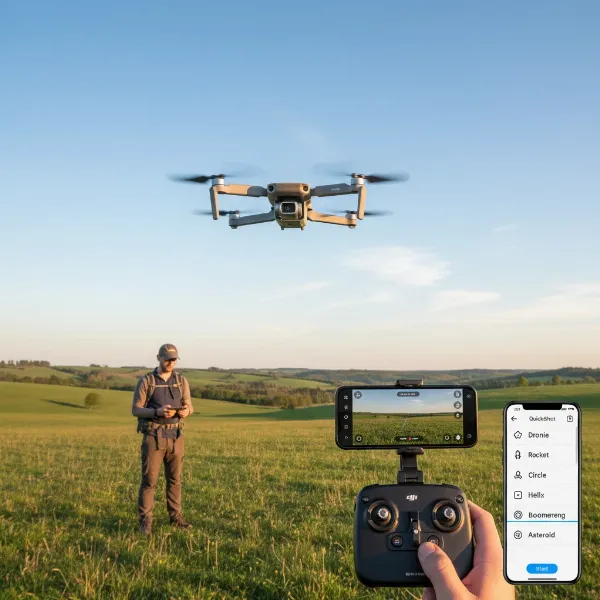
Are you an angler looking to revolutionize your fishing experience? Imagine casting your bait further than ever before, reaching pristine spots inaccessible by traditional means, and even scouting for fish schools from above. Fishing drones with bait drop systems are making this a reality, transforming the way both seasoned professionals and eager beginners approach the sport. These innovative devices combine advanced drone technology with specialized bait release mechanisms, offering unparalleled precision, efficiency, and an exciting new dimension to your angling adventures.
Drone: A Comprehensive Guide from A to Z
What is a Drone? An Overview of Drone Technology
A drone, also known as an Unmanned Aerial Vehicle (UAV) or sometimes a “flycam” for those focused on aerial photography, is an aircraft without a human pilot aboard. Its flight is controlled either autonomously by onboard computers or by a remote operator on the ground. Initially developed for military applications, drones have rapidly transitioned into civilian use, becoming indispensable tools across various industries, from agriculture and surveillance to delivery services and, increasingly, recreational and professional fishing.
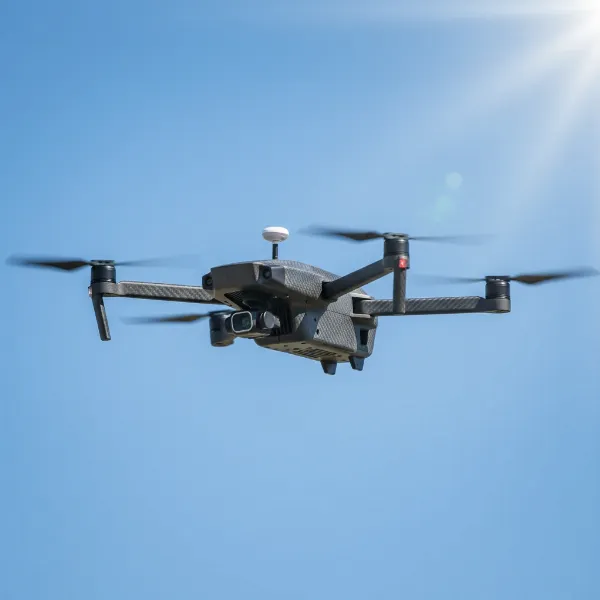 A sleek, multi-rotor civilian drone flying against a clear sky.
The evolution of drone technology has been remarkable. Early drones were bulky and difficult to control, primarily serving military reconnaissance. Over time, advancements in battery life, GPS, sensor technology, and miniaturization have led to the creation of more compact, user-friendly, and feature-rich drones suitable for a wide range of civilian applications.
Today, various types of drones are available, each designed for specific purposes. They can be classified by their number of rotors (e.g., quadcopters, hexacopters), size, and primary function. For fishing, the most relevant types are multi-rotor drones equipped with a good balance of lifting capacity, flight time, and water resistance, often augmented with specialized bait drop systems.
Advantages and Disadvantages of Drones
The integration of drones into fishing brings a host of benefits, alongside some considerations to keep in mind.
Advantages:
- Access to Remote Areas: Drones allow anglers to cast lines and drop bait into spots far beyond the reach of traditional casting methods or even small boats. This opens up opportunities to target fish in untouched, productive zones.
- Cost and Time Efficiency: Compared to purchasing and maintaining a fishing boat, a quality fishing drone can be a more affordable entry point to reach distant fishing grounds. They also save time by quickly deploying bait and scouting for fish.
- Diverse Applications: Beyond bait dropping, drones can be used for aerial scouting, surveying underwater terrain with their cameras, and even capturing stunning aerial footage of your fishing trips.
- Improved Accuracy and Efficiency: With GPS capabilities, drones can precisely drop bait at exact coordinates or directly over visible fish, minimizing wasted bait and increasing the chances of a catch. This consistency is difficult to achieve manually.
Disadvantages:
- Privacy and Security Concerns: Flying drones raises questions about privacy, especially when operating near populated areas. There are also potential security risks if drones are misused.
- Limited Flight Time and Range: While improving, battery life and operational range remain limiting factors. Extended fishing sessions often require multiple batteries, and strong winds can significantly reduce flight time and range.
- Skill and Legal Requirements: Operating a drone effectively requires practice and skill. Moreover, drone usage is subject to local laws and regulations, which vary significantly by region and purpose (recreational vs. commercial), including restrictions on where and how drones can be flown. This might include registration or specific certifications.
- Vulnerability to Water: Many consumer drones are not waterproof, making them highly susceptible to damage if they crash or land in water. Even waterproof models require proper maintenance after saltwater exposure to prevent corrosion.
- Initial Investment and Risk: Quality fishing drones can be expensive. The risk of losing a drone over water, especially when carrying a fishing line and bait, can be a significant financial concern.
Popular Applications of Drones in Daily Life
Drones are no longer just for enthusiasts; they’ve become integral to many aspects of modern life, offering unique perspectives and capabilities:
- Aerial Photography and Videography: From capturing breathtaking landscapes to documenting events, drones provide stunning cinematic shots.
- Surveillance and Security: Drones are used for monitoring large areas, border patrol, and assessing damage after natural disasters.
- Delivery and Logistics: Companies are experimenting with drones for package delivery, especially in remote or hard-to-reach locations.
- Precision Agriculture: Drones help farmers monitor crop health, spray pesticides, and gather data for optimized irrigation.
- Search and Rescue: Equipped with thermal cameras, drones assist in locating missing persons in difficult terrains or disaster zones.
- Inspection: Drones are used for inspecting infrastructure like power lines, bridges, and wind turbines, which is safer and more efficient than manual inspections.
Comparison Table of Popular Drones for Fishing on the Market
Choosing the best fishing drone requires careful consideration of key technical specifications, features, and your specific needs. Here’s a comparison of some popular options:
| Feature | SwellPro SplashDrone 4 | SwellPro Fisherman FD3 / FD1+ | DJI Air 3S (with accessory) | DJI Phantom 4 Pro V2.0 (with accessory) |
|---|---|---|---|---|
| Waterproofing | IP67 waterproof drone and controller, floats, Powerflip | IP67 waterproof, floats | No (requires extreme caution near water) | No (requires extreme caution near water) |
| Payload Capacity | Up to 2 kg (4.4 lbs) | FD3: up to 2 kg (4.4 lbs); FD1+: higher payload than FD1 | ~170g (6 oz) for bait dropper | Good for bait dropper, but not designed for heavy loads |
| Flight Time | Up to 30 minutes | FD3: 27 mins (9 mins with max bait); FD1: 33 minutes | 45 minutes | Over 30 minutes |
| Range | Up to 5 km (3.1 miles) | FD3: 0.8 km; FD1: 1.6 km (1 mile) | Up to 20 km (12.4 miles) | Up to 8 km (5 miles) |
| Camera Resolution | 4K (various payload options) | FD3: 4K; FD1: HD (optional adjustable camera) | 50MP + 48MP zoom (4K 10-bit video) | 20MP (4K video) |
| Bait Release System | Built-in waterproof payload release (one-click drop) | Dedicated payload release system (Trollsafe option) | Third-party accessory required, light-sensor activated | Third-party accessory required, often light-sensor activated |
| Wind Resistance | Excellent (up to Level 7 wind stability) | Good (up to 38mph) | Powerful motors, good in strong winds | Stable |
| Ease of Use | Simple, Auto Takeoff, Waypoints, Follow Me | User-friendly, GPS modes, Return-to-Home | Easy for beginners, advanced features | Novice-friendly, many safety features |
| Portability | Less portable due to rugged build | Less portable | Folding design, highly portable | Larger, less portable |
| Price | Premium | Mid-range | Premium (plus accessory cost) | Premium (discontinued, used only) |
| Unique Features | Powerflip (self-righting), live fish scouting FPV | Trollsafe (auto line drop), real-time video feed | Excellent dual camera, collision avoidance | High-quality camera, reliability |
Guide to Choosing the Right Drone for Your Needs
Selecting the ideal fishing drone involves balancing your angling goals, budget, and desired features. Here’s a step-by-step approach to help you make an informed decision:
-
Define Your Purpose:
- Shore Fishing (Surf or Lake): If you’re primarily casting from the shore and need to reach distant spots or deploy multiple lines, look for drones with long range, high payload capacity, and reliable bait release. Waterproofing is a major plus if operating near the water’s edge.
- Boat Fishing/Kayak Fishing: For anglers on the water, a waterproof drone is almost essential for safe operation, especially if it can land and take off from the water. Stability in wind is also critical.
- Scouting Only: If your main goal is to locate fish or underwater structures, a drone with an excellent camera and live video feed might be prioritized over heavy lift capacity.
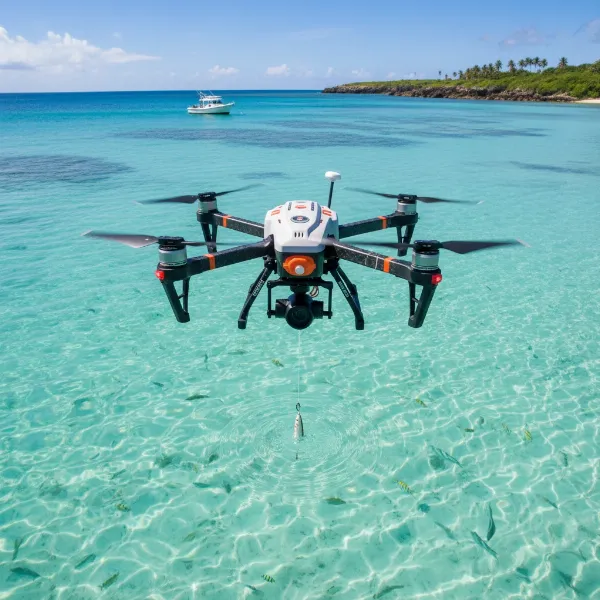 A fishing drone releasing bait over calm water with a fishing line attached.
-
Set Your Budget:
- Fishing drones range from several hundred to over a thousand dollars. Be realistic about what you’re willing to spend, keeping in mind that cheaper drones may lack essential features like payload capacity, range, or waterproofing.
-
Key Technical Factors to Consider:
- Payload Capacity: How much weight can the drone carry? This is crucial for dropping bait, especially heavier live bait or multiple lines. Drones with 1-2 kg capacity are ideal for serious fishing.
- Flight Time: Longer flight times mean more time fishing and less time swapping batteries. Look for drones offering 25-30 minutes or more. Always carry spare batteries.
- Range: Consider how far you need to cast your bait. A range of 1-5 km is typical for most effective fishing drones. Ensure the controller signal is strong over distance.
- Waterproof/Water-Resistant: This is perhaps the most important feature for any drone operating over water. Fully waterproof (IP67 or higher) drones can survive splashes or even brief submersion, significantly reducing the risk of a lost drone.
- GPS and Return-to-Home: Precise GPS allows for accurate bait drops and ensures the drone can return safely to its takeoff point, even if the signal is lost or the battery is low.
- Camera Quality and Live Video Feed: A good camera helps you scout for fish, identify underwater structures, and ensure precise bait placement. A live video feed is essential for real-time situational awareness.
- Bait Release Mechanism: Some drones have integrated bait release systems, while others require third-party accessories. Ensure the mechanism is reliable, easy to activate, and can handle the weight of your bait.
- Wind Resistance: Fishing often occurs in windy conditions. A drone with powerful motors and good stability will handle gusts better, preventing accidental crashes.
- Durability and Build Quality: Look for robust construction that can withstand the rigors of outdoor use, especially near saltwater.
- Portability: If you plan to hike to your fishing spots, a foldable, lightweight drone will be more convenient.
-
Choose a Reputable Brand and Supplier:
- Stick to well-known brands that offer reliable products, good customer support, and available spare parts. Read reviews and consider warranties.
Famous and Popular Drone Brands
The drone market is dominated by a few key players known for their quality, innovation, and reliability. When considering a fishing drone, you’ll frequently encounter these brands:
- DJI: As the global leader in civilian drones, DJI offers a wide range of drones known for their advanced camera systems, stable flight, and user-friendly interfaces. While not inherently waterproof, many DJI models (like the Air series or Phantom series) can be adapted for fishing with third-party bait release accessories. They excel in camera quality and smart features.
- SwellPro: This brand is specifically recognized as a pioneer and leader in purpose-built waterproof fishing drones. Their products, such as the SplashDrone and Fisherman series, are designed to withstand harsh marine environments.