That fresh-out-of-the-box smell, the sleek design, the promise of seeing the world from a bird’s-eye view… there’s nothing quite like getting your first drone. But as you’re charging the batteries, a nagging question often pops into your head: Do I Need A License To Fly A Drone? It’s a question that can feel overwhelming, tangled in acronyms and regulations. Don’t worry, you’ve come to the right place. We’re going to untangle this knot together, so you can get your drone in the air confidently and, most importantly, legally.
Think of this not as a boring legal lecture, but as your pre-flight briefing from a fellow pilot who’s been exactly where you are now. We’ll skip the dense jargon and get straight to what you actually need to know.
The Short Answer vs. The Smart Answer
Let’s get right to it. The short answer to “do I need a license to fly a drone?” is: it depends.
I know, I know, not the simple “yes” or “no” you were hoping for. But the “smart” answer is much more helpful. The need for a license primarily boils down to two key factors: the weight of your drone and the purpose of your flight. Understanding these two things is 90% of the battle.
“The moment you understand that drone regulations are about safety and accountability, not just rules for the sake of rules, everything becomes clearer. It’s about being a responsible member of the aviation community.” – Dr. Aris Thorne, Aviation Technology Analyst.
The Weight Factor: The All-Important 250-Gram Rule
Imagine holding a large smartphone or a can of soup. That’s roughly 250 grams (or about 0.55 pounds). In the world of drones, this is a magic number. Why? Because regulators like the Federal Aviation Administration (FAA) in the United States consider drones under this weight to be significantly less of a risk to people and property.
Flying a Drone Under 250 Grams
If your drone weighs less than 250 grams at takeoff (including batteries and any accessories like propeller guards), you’re in luck! For purely recreational flying, you generally do not need to obtain a traditional pilot-style license.
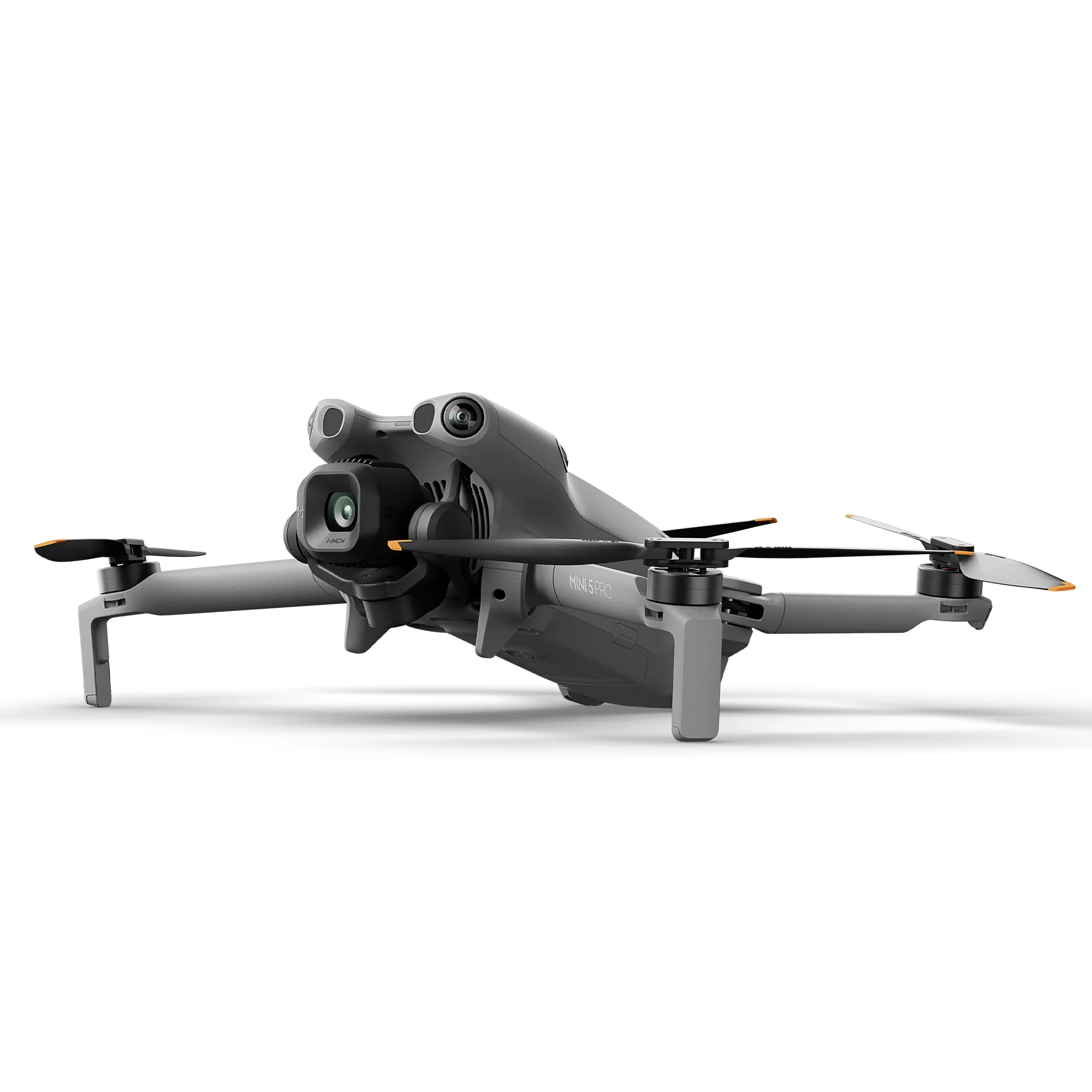
- Examples: Popular models like the DJI Mini series or the Autel Evo Nano are designed specifically to fall into this category.
- What you still need: Even for these featherweight drones, you must follow all safety guidelines. In the U.S., you’re also required to pass a simple online knowledge test called The Recreational UAS Safety Test (TRUST). It’s free, online, and you can’t fail it. Think of it as a quick “rules of the road” quiz.
Flying a Drone Over 250 Grams
If your drone tips the scales at 250 grams or more, the rules get a bit stricter, even for fun flights.
- Registration is a must: You’ll need to register your drone with the FAA (or your country’s equivalent aviation authority) and mark the registration number on the outside of the aircraft.
- TRUST is still required: You still need to pass the TRUST test for recreational flights.
Recreational vs. Commercial Flying: What’s Your Mission?
The second major question you need to ask yourself is: why am I flying? The answer dramatically changes the requirements.
Flying for Fun (Recreational)
This is the category most new pilots fall into. You’re flying simply for your own enjoyment, taking photos for your personal Instagram, or capturing family vacation videos.
- Goal: Purely for fun and personal enjoyment.
- Key Rule: You cannot receive any form of payment or compensation for your flight or the media you capture. This includes flying for a friend’s real estate business “as a favor.” If it benefits a business in any way, it’s considered commercial.
- Requirements (in the US):
- Pass the TRUST exam.
- If the drone is 250g or more, register it with the FAA.
- Follow all recreational flying rules.
Flying for Work (Commercial)
This is any flight that furthers a business or involves compensation. The definition is incredibly broad.
- Examples:
- Real estate photography
- Wedding videography
- Roof inspections for a construction company
- Creating content for a monetized YouTube channel
- Taking photos to sell as stock imagery
- Goal: Any purpose that isn’t strictly for personal recreation.
- Requirements (in the US): You absolutely need a license. Specifically, you need to obtain a Remote Pilot Certificate from the FAA, also known as a “Part 107” license.
So, When Exactly Do I Need a License to Fly a Drone?
Let’s put it all together. You need a formal drone pilot license (like the Part 107 certificate) if you are flying for any commercial purpose, regardless of the drone’s weight.
How Do I Get a Part 107 License?
Getting your Part 107 certificate is a straightforward process, but it requires some studying.
- Meet the Eligibility Requirements: You must be at least 16 years old, be able to read, speak, write, and understand English, and be in a physical and mental condition to safely fly a drone.
- Study for the Exam: You need to pass a 60-question, multiple-choice Aeronautical Knowledge Test at an FAA-approved testing center. Topics include regulations, airspace classifications, weather, and drone operations.
- Pass the Test: A passing score is 70% or higher.
- Register and Get Vetted: Once you pass, you’ll complete the FAA application and undergo a TSA security background check.
- Fly Commercially! Once approved, you’ll receive your official Remote Pilot Certificate.
Beyond the License: Essential Rules of the Sky
Whether you need a license or not, every pilot must follow a core set of safety rules. These are non-negotiable and are in place to keep everyone safe, both in the air and on the ground.
Pre-Flight Checklist for Every Pilot
Before you even think about taking off, run through this mental checklist:
- [ ] Check my drone: Are the batteries fully charged? Are the propellers secure and undamaged?
- [ ] Check the weather: Is it too windy? Is rain expected?
- [ ] Check my surroundings: Am I clear of people, buildings, and vehicles? Are there any power lines or trees nearby?
- [ ] Check the airspace: Am I near an airport? Am I in a restricted flight zone (like over a military base or national park)? Use an app like B4UFLY or AirMap to be sure.
The Golden Rules of Drone Flight
- Maintain Visual Line-of-Sight (VLOS): You must be able to see your drone with your own eyes at all times.
- Fly at or below 400 feet: This keeps you well clear of most manned aircraft.
- Never fly over groups of people: This includes sporting events, concerts, and festivals.
- Never fly over moving vehicles.
- Respect privacy: Don’t fly over private property without permission or spy on people.
- Do not interfere with emergency response: Stay far away from accidents, fires, or police activity.
- Do not fly under the influence of drugs or alcohol.
Frequently Asked Questions (FAQ)
Q: What happens if I fly a drone without a required license?
A: Flying commercially without a Part 107 certificate can result in significant fines from the FAA, potentially thousands of dollars. It’s a serious violation. For recreational flyers, failing to register a drone over 250g can also lead to civil and criminal penalties. It’s simply not worth the risk.
Q: Does my drone license expire?
A: Yes. A Part 107 Remote Pilot Certificate is valid for 24 calendar months. To stay current, you must pass a free online recurrent training course every two years. The recreational TRUST certificate does not expire.
Q: Can I fly a drone over private property?
A: This is a tricky area where aviation law and property law intersect. While the FAA controls the airspace, flying low over someone’s home can be considered an invasion of privacy or trespassing. The best practice is to always be respectful and avoid flying directly over private property without permission.
Q: Is the TRUST certificate hard to get?
A: Not at all! It’s an open-book online test designed to be educational. You can review the material as you go, and if you get a question wrong, it will explain the correct answer and let you try again. It’s impossible to fail.
Q: Do I need to register my drone in addition to getting a license?
A: It depends. Registration is based on weight, while a license is based on flight purpose. If you fly a 500g drone for fun, you need to register it but don’t need a Part 107 license. If you fly a 200g drone for work, you don’t need to register it, but you do need a Part 107 license. If you fly a 500g drone for work, you need both.
Your Journey as a Pilot Starts Now
So, do I need a license to fly a drone? Now you have the smart answer. It’s a journey that begins with understanding your equipment and your mission. For many, it’s as simple as taking the quick TRUST test. For others, it’s the rewarding challenge of earning a Part 107 certificate to turn a passion into a profession.
Whatever your path, flying a drone is an incredible privilege. It gives us a perspective that was once reserved for birds and helicopters. By flying safely, responsibly, and legally, you’re not just protecting yourself—you’re being a good ambassador for the entire drone community. Now, go complete that pre-flight check and enjoy the skies! We’d love to hear about your first flight experience in the comments below.