Diving into the world of FPV can feel like learning to ride a bike, juggle, and speak a new language all at once. It’s exhilarating, a little intimidating, and absolutely life-changing once you get the hang of it. If you’re searching for the Best Fpv Drone For Beginners, you’re not just looking for a toy; you’re looking for a key to unlock a breathtaking new perspective on the world. I remember my first FPV flight—my heart was pounding, my hands were sweating, and the world I saw through those goggles was a pixelated, shaky mess. But in that mess was a spark of pure freedom. This guide is here to help you skip some of the initial frustration and get straight to that feeling of flight.
What Exactly is FPV and Why is Everyone Hooked?
Before we pick out a drone, let’s get on the same page. What is this FPV sorcery? FPV stands for First-Person View. In simple terms, you see exactly what the drone sees, in real-time, through a pair of goggles.
Imagine you’re not just controlling a drone from the ground, looking up at it. Instead, you are the drone. You’re in the pilot’s seat, banking around trees, diving down buildings, and skimming over fields at incredible speeds. It’s the closest most of us will ever get to flying like a superhero. This immersive experience is what separates FPV from standard GPS camera drones like a DJI Mavic. While those are built for stable, cinematic shots, FPV is all about the raw, visceral thrill of flight.
The Anatomy of a Beginner-Friendly FPV Drone
Not all FPV drones are created equal, especially when you’re just starting out. A top-tier racing drone in the hands of a novice is a recipe for a very fast, very expensive crash. So, what should you look for in the best FPV drone for beginners?
Durability: Your First Drone’s Best Friend
Let’s be brutally honest: you are going to crash. A lot. It’s a rite of passage for every FPV pilot. The best beginner drones are built with this in mind.
- Propeller Guards: These are non-negotiable for your first drone. They protect your props, your walls, and your fingers from damage.
- Strong Frame: Look for drones with flexible plastic or sturdy carbon fiber frames that can take a beating and keep on flying.
- Small and Lightweight: Smaller drones, often called “Tiny Whoops,” have less mass and therefore carry less momentum into a crash, significantly reducing the chance of a critical break.
Flight Modes: From Tame to Insane
Modern FPV drones come with different flight modes that act as training wheels.
- Angle Mode (or Level Mode): This is your safety net. When you let go of the control stick, the drone automatically levels itself. It also limits how far you can tilt the drone, preventing you from accidentally flipping over. Always start in this mode.
- Acro Mode (or Rate Mode): This is the holy grail of FPV flight. In Acro mode, the drone does not self-level. Whatever angle you tilt it to, it stays there until you give it an opposite command. It’s what allows for all the incredible flips, rolls, and dives you see in FPV videos. It’s difficult to learn, but it offers complete control and freedom.
“The journey from Angle mode to Acro mode is where a beginner truly becomes a pilot. It’s about building muscle memory until the drone feels like an extension of your own body.” – Dr. Alistair Finch, Drone Dynamics Specialist
Ready-to-Fly (RTF) Kits: The Easiest Entry Point
The world of FPV can be a deep rabbit hole of soldering, programming, and custom builds. As a beginner, you want to avoid all that. A Ready-to-Fly (RTF) kit is your golden ticket. These bundles typically include:
- The Drone
- The FPV Goggles
- The Radio Controller
Everything is pre-configured to work together right out of the box. This is, without a doubt, the most straightforward and cost-effective way to get in the air.
Our Top Pick for the Best FPV Drone for Beginners
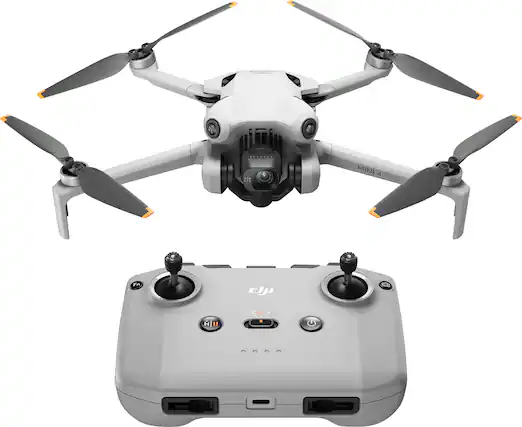
When it comes to a specific recommendation, the market changes fast. However, the type of drone to get is consistent: a micro-drone or “Tiny Whoop” RTF kit. These small, ducted drones are safe to fly indoors, remarkably durable, and provide the perfect platform to learn the fundamentals without risking a more expensive quad.
Bảng trống.Look for a kit that includes a drone with a durable frame, a comfortable controller, and a decent pair of box goggles. This combination provides the best value and learning experience. While you’ll eventually upgrade every piece of this kit, it’s the perfect, low-risk investment to see if the FPV hobby is truly for you.
How Do You Actually Fly an FPV Drone? Your First Steps
Okay, you’ve got your gear. Now what? Don’t just run outside and send it. Follow these steps to build a solid foundation and save yourself a lot of heartache (and money).
- Get a Simulator. This is the most important step. I cannot stress this enough. Before you ever power on your real drone, spend at least 10-20 hours in an FPV simulator like Liftoff, Velocidrone, or DRL Sim. It uses your actual controller, so the muscle memory you build is 100% transferable. It’s where you learn to crash without consequence.
- Understand Your Controller. Your controller has two main sticks. In the most common configuration (Mode 2), the left stick controls Throttle (up/down) and Yaw (rotating left/right). The right stick controls Pitch (forward/backward) and Roll (strafing left/right).
- Your First Hover (in a Safe Place). Find a large, open area with no people or obstacles. A big field is perfect. Put your goggles on, take a deep breath, and gently apply throttle. Your goal isn’t to soar into the sky; it’s to get the drone to hover a few feet off the ground. Practice keeping it in one place using small, smooth movements on the right stick.
- Practice, Practice, Practice. Once you master hovering, practice flying in straight lines, then simple squares, then circles. Keep your movements slow and deliberate. Building this control in Angle mode is essential before you even think about trying Acro.
Essential Safety Rules: Fly Smart, Fly Safe
With great power comes great responsibility. FPV drones are not toys, and flying them irresponsibly can have serious consequences.
- Maintain Line of Sight: Even though you’re in the goggles, you should always be able to see your drone from where you’re standing, or have a spotter with you who can.
- Respect Battery Safety: FPV drones use high-power Lithium Polymer (LiPo) batteries. Never charge them unattended, use a proper LiPo charger, and never fly with a damaged battery.
- Stay Away from People and Property: Never fly over crowds, sporting events, or private property without permission. The golden rule is to fly in a way that if you fail, you hit nothing and nobody.
- Know Your Failsafe: Understand what your drone will do if it loses signal from your controller (the “failsafe”). Usually, it’s set to cut power and fall out of the sky. Know this so you can plan your flights accordingly.
Understanding Drone Laws: What Beginners Need to Know
Drone regulations vary wildly by country and are constantly changing. It is your responsibility to know and follow the laws where you fly.
- In the United States: The Federal Aviation Administration (FAA) governs drone flight. For recreational flyers, you’ll likely need to take The Recreational UAS Safety Test (TRUST) and register your drone if it weighs over 250 grams. Use the FAA’s B4UFLY app to check for airspace restrictions.
- In Europe: Regulations are set by the European Union Aviation Safety Agency (EASA). The rules depend on the weight and risk category of your drone. You will almost certainly need to register as an operator and take an online test.
- Always Check Local Rules: No matter where you are, check for local or regional restrictions before you fly.
Frequently Asked Questions
How much does the best FPV drone for beginners cost?
A good quality Ready-to-Fly (RTF) beginner kit typically costs between $200 and $350. This includes the drone, goggles, and controller. It’s a fantastic entry point without a massive financial commitment.
Is FPV harder to fly than a standard DJI drone?
Yes, significantly. A DJI drone is designed to be stable and easy to fly thanks to GPS and numerous sensors. An FPV drone requires constant manual input to stay in the air, which is why a simulator is so crucial for learning.
Do I need a license to fly an FPV drone?
This depends on your location and the weight of your drone. In most places, for recreational flying, you’ll need to pass a basic online safety test and register as an operator. Always check the regulations of your local aviation authority, like the FAA in the US.
Can I use a GoPro on a beginner FPV drone?
Most beginner drones, especially the small “Tiny Whoop” style ones, are not powerful enough to carry an action camera like a GoPro. You’ll need to graduate to a larger 3-inch or 5-inch drone to carry a separate camera for high-quality recording.
How long does it take to learn to fly FPV?
It varies per person, but a common timeline is 10-20 hours in a simulator to get comfortable with the basics. After that, it takes many more hours of real-world practice to become truly proficient, especially in Acro mode. The learning process never really stops!
Your Journey into FPV Starts Now
Choosing the best FPV drone for beginners is your first step into a larger, incredibly rewarding world. The path involves a steep learning curve, a few broken propellers, and countless hours of practice. But the payoff is an unparalleled sense of freedom and a community of passionate pilots who are always pushing the boundaries of what’s possible. So, start in the simulator, choose a durable RTF kit, and embrace the process. The sky is waiting for you.