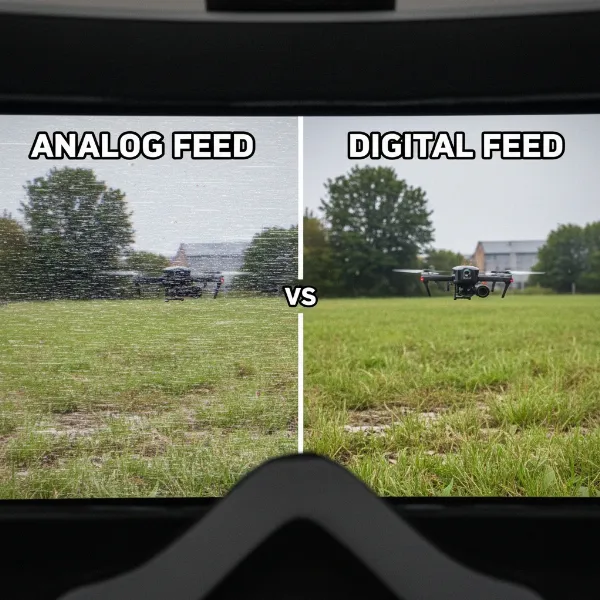
Drones have soared in popularity, transforming from niche gadgets into accessible tools for fun, education, and creative expression. For kids and teenagers, these unmanned aerial vehicles (UAVs) offer an exciting entry point into technology, fostering curiosity and developing valuable skills. Choosing the right drone, however, requires understanding various features, safety considerations, and age appropriateness to ensure a safe and enjoyable experience.
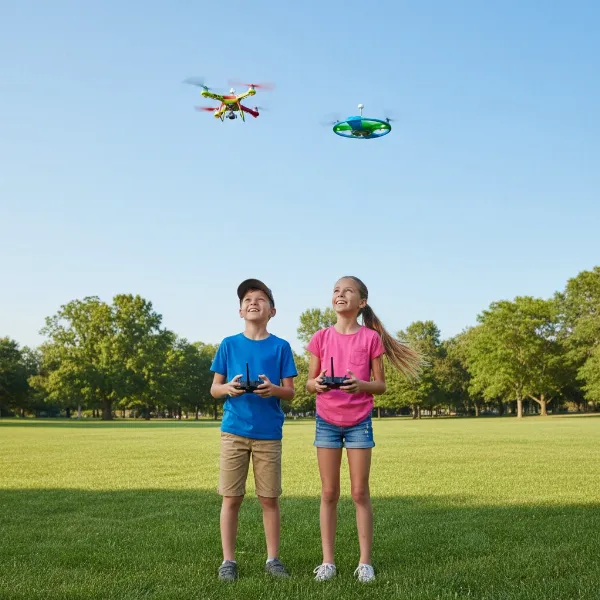 Young boy and girl joyfully flying small drones outdoors with remote controls, smiling.
What is a Drone? An Overview of Drone Technology
|
Our Picks for the Best Drone in 2026
As an Amazon Associate I earn from qualifying purchases.
|
||
| Num | Product | Action |
|---|---|---|
| 1 | DJI Mini 4K Camera Drone Combo, Drone with 4K UHD Camera for Adults, Under 249 g, 3-Axis Gimbal Stabilization, 10km Video Transmission, Auto Return, 2 Batteries for 62-Min Max Flight Time, QuickShots |

|
| 2 | Drone with Camera - Drone with Screen on Controller for Beginners, Foldable Remote Control Quadcopter with Gesture Control, 3D Flip, One Key Start, Emergency Stop, 2 Batteries, Easier to use to use |
|
| 3 | Drone with Camera, Drones for Adults and Beginners, 1080P HD FPV Foldable Mini Drones for Kids, with 2 Batteries, Carrying Case, Trajectory Flight, Gravity Control, One-Key Takeoff/Landing, 360° Flip, Toys for Gift |
|
| 4 | DJI Mini 3 Fly More Combo (DJI RC), Drones with Camera for Adults 4K, 3 Batteries for 114-min Flight Time, Vertical Shooting, 32800ft (10km) Video Transmission, Lightweight Mini Drone for Beginners |
|
| 5 | Drone with Camera for Adults 4K, Brushless Motor Drones for Kids Beginners, 60 Mins Flight, 130° Lens, FPV Foldable RC Quadcopter, Gesture Photography, Toys Gifts for Teen Boys Girls, Black |
|
| 6 | Drone with Camera 1080P HD FPV Foldable Mini Drone for Beginners Kids Adults, Drone with One Key Take Off/Landing, Gesture Selfie, Altitude Hold, 3D Flip, Easy to Fly, 2 Batteries, Toys for Boys Girls |
|
| 7 | DJI Mini 4K, Drone with 4K UHD Camera for Adults, Under 249 g, 3-Axis Gimbal Stabilization, 10km Video Transmission, Auto Return, Wind Resistance, 1 Battery for 31-Min Max Flight Time, Intelligent |
|
| 8 | Drone with 1080P Camera - Foldable Remote Control Quadcopter with Gesture Control, 3D Flip, One Key Start, Emergency Stop, 2 Batteries, Easier to use, Toy for Kids Adult Beginners |
|
| 9 | GPS Drones with Camera for Adults 4K, FPV Drone Under 249g with Brushless Motor, GPS Auto Return, Follow Me, Circle Fly, Waypoint Flight, Foldable Drone with Gesture Control, 46Mins with 2 Batteries |
|
| 10 | DJI Air 3S Fly More Combo (RC 2 Screen Remote Controller), Drone with 1" CMOS Wide-Angle & Medium Tele Camera for Adults, 4K/60fps, Omnidirectional Sensing & 3 Batteries for Extended Flight Time |
|
A drone, also known as an Unmanned Aerial Vehicle (UAV) or frequently referred to as a “flycam” for camera-equipped models, is an aircraft without a human pilot onboard. These devices are either controlled remotely by an operator or fly autonomously based on pre-programmed flight plans. Their journey began in military applications, evolving rapidly over the decades to become commonplace in civilian life, from recreational flying to professional uses.
Today’s drone market features a diverse range of models, categorized by their purpose, size, and capabilities. Toy drones are typically small, lightweight, and designed for indoor or calm outdoor flying with basic controls. Recreational drones for older kids and teenagers often include cameras, advanced stability features, and longer flight times, making them suitable for aerial photography and exploration. Professional-grade drones, at the higher end, boast advanced sensors, powerful cameras, and extended ranges for specialized tasks.
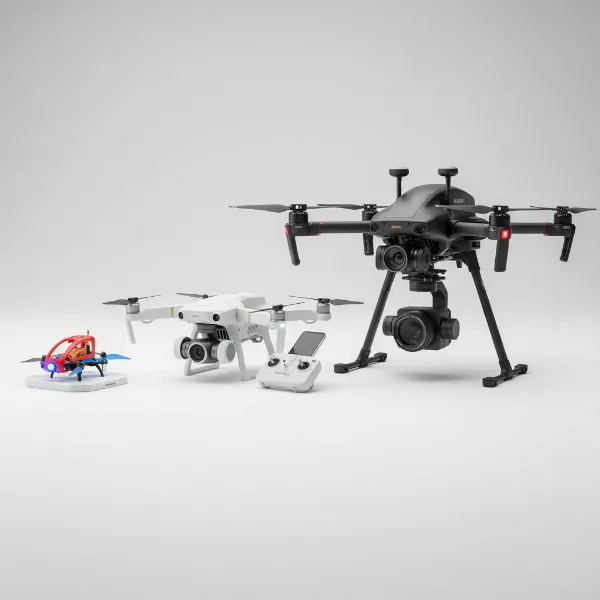 Visual comparison of different drone types including toy, recreational, and professional models.
Advantages and Disadvantages of Drones
Drones offer a myriad of benefits, particularly for young enthusiasts, but also come with certain considerations.
Advantages:
- Access Difficult Areas: Drones can reach places that are otherwise inaccessible or dangerous, offering unique perspectives for photography and exploration.
- Cost and Time Efficiency: For many applications, drones provide a more economical and faster solution compared to traditional manned aircraft or ground-based methods.
- Diverse Applications: From captivating aerial photography and videography to more practical uses in surveillance, delivery, precision agriculture, and even search and rescue operations, drones have a wide array of uses.
- Educational Value: Drones are excellent tools for STEM (Science, Technology, Engineering, and Mathematics) education, teaching principles of physics, engineering, programming, and spatial reasoning.
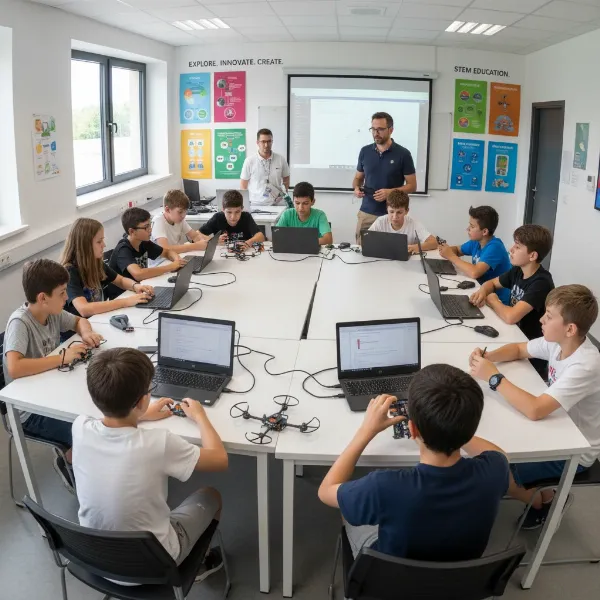 Children and teenagers engaged in a classroom setting learning about drone technology and programming.
Disadvantages:
- Privacy and Security Concerns: The ability to capture aerial footage raises legitimate concerns about privacy, as drones can inadvertently or intentionally record individuals and private property without consent.
- Limited Flight Time and Range: Many consumer-grade drones, especially those for beginners, have relatively short battery lives, typically ranging from 5 to 30 minutes, and limited operational ranges.
- Skill and Legal Requirements: Operating a drone safely and legally requires a certain level of piloting skill and a thorough understanding of local aviation laws and regulations, which can be complex and vary by region.
Popular Drone Applications in Everyday Life
Drones are no longer just futuristic gadgets; they are integrated into various aspects of daily life, offering convenience and new possibilities.
- Aerial Photography and Videography: This is perhaps the most well-known application, enabling stunning bird’s-eye views for hobbies, real estate, filmmaking, and social media content creation.
- Surveillance and Security: Drones are used for monitoring large areas, securing perimeters, and assisting law enforcement in observing situations from a safe distance.
- Delivery and Logistics: Companies are experimenting with drones for quick, efficient delivery of small packages, particularly in remote areas or for urgent items.
- Precision Agriculture: Farmers utilize drones to monitor crop health, assess irrigation needs, and apply pesticides with pinpoint accuracy, leading to improved yields and reduced waste.
- Search and Rescue: Equipped with thermal cameras and GPS, drones can quickly cover vast or hazardous terrains to locate missing persons or assess disaster zones.
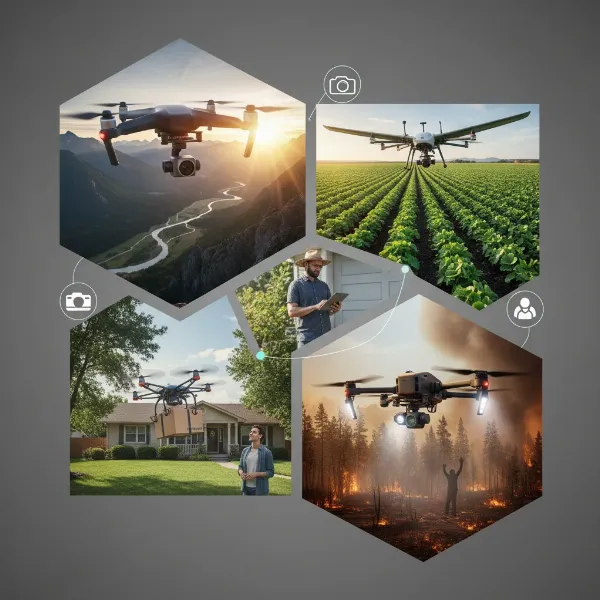 Collage of drones performing various daily tasks: photography, delivery, agriculture, and rescue.
Comparing Popular Drones for Kids and Teenagers
When selecting a drone for younger pilots, key specifications like flight time, range, camera quality, and robust safety features are paramount. Here’s a comparison of some top contenders:
| Drone Model | Recommended Age | Flight Time (minutes) | Camera Quality | Special Features | Price Range (approx.) |
|---|---|---|---|---|---|
| DJI Neo | 14+ | 15 | 4K | Propeller guards, AI selfie mode, GPS, flexible control options | $199 – $249 |
| DJI Flip | 13+ | 28 | 4K/48MP (3-axis gimbal) | Folding design, AI tracking, 2GB internal storage | $369 – $439 |
| Holy Stone HS210 | 8+ | 6-8 (x3 batteries) | No Camera | Robust guards (whoop design), altitude hold, simple controls | $39 – $50 |
| HoverAir X1 | 12+ | 11 | 2.7K | Rotors inside cage, folding design, auto-follow, palm takeoff/landing | $299 – $350 |
| DJI Mini 2 SE | 13+ | 30+ | 2.7K | Lightweight (under 250g), GPS, robust transmission | $300 – $350 |
| Holy Stone HS280 | 13+ | 10 (x2 batteries) | 1080P | One-key take-off/landing, FPV via phone, robust props | $79 – $99 |
How to Choose the Right Drone for Your Needs
Selecting the perfect drone for a child or teenager involves balancing their interest with safety and practicality.
1. Determine the Purpose:
Is the drone for casual fun, learning to fly, aerial photography, or even drone racing? A younger child might prefer a simple, durable toy drone, while a teenager keen on content creation will benefit from a model with a good camera and stable flight.
2. Set a Budget:
Drone prices vary widely. Basic toy drones can be very affordable, while models with advanced features like 4K cameras and GPS stabilization will naturally cost more. Determine how much you are willing to invest.
3. Consider Technical Factors:
- Camera & Sensors: For photography, look for drones with at least 1080p resolution and a gimbal for stable footage. Obstacle avoidance sensors are a huge plus for beginners.
- Flight Time & Range: Longer flight times mean more enjoyment per charge. Pay attention to the drone’s control range; Wi-Fi based controls often have shorter, less reliable ranges than dedicated radio controllers.
- Durability & Safety Features: Propeller guards, robust frames, and easy-to-use controls like one-key takeoff/landing and altitude hold are critical for young pilots.
- GPS & Stabilization: GPS provides stable hovering and allows for features like “Return to Home,” while internal stabilization makes flying easier and videos smoother.
4. Choose Reputable Brands and Suppliers:
Opt for well-known brands that offer reliable products, good customer support, and readily available spare parts.
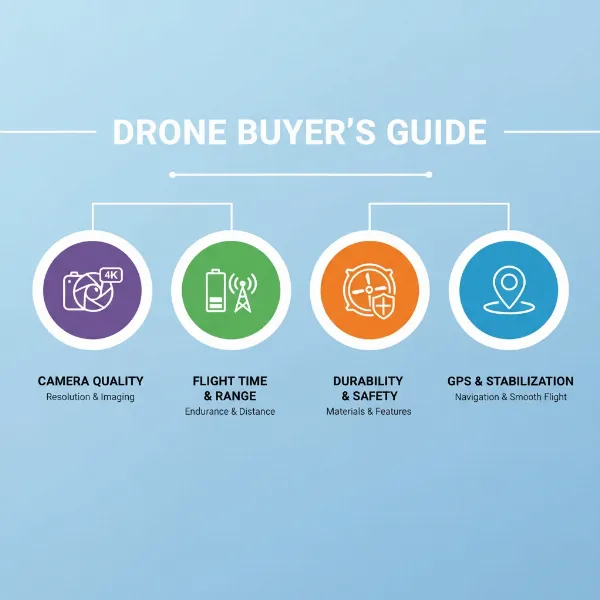 Infographic highlighting key features to consider when buying a drone: camera, flight time, durability, GPS.
Leading Drone Brands and Their Offerings
The drone market is dominated by a few key players, each known for specific strengths:
- DJI: The undisputed global leader in civilian drones, DJI offers a range from beginner-friendly models like the DJI Neo and Mini series to professional cinematic platforms. They are known for their cutting-edge technology, excellent camera quality, and user-friendly interfaces.
- Holy Stone: A popular choice for entry-level and toy drones, Holy Stone provides robust and affordable options, often with good safety features like propeller guards and multiple batteries, perfect for kids.
- Parrot: Hailing from France, Parrot has a history of innovative drones, including compact, durable models that appeal to both recreational flyers and educators.
- Autel Robotics: A strong competitor to DJI, Autel Robotics offers drones with advanced features, often boasting competitive camera specs and flight performance, suitable for more serious teenage hobbyists.
- Skydio: This US-based company stands out for its advanced autonomous flight and obstacle avoidance technology, making their drones incredibly easy to fly and ideal for capturing dynamic action shots without manual piloting.
 Collection of logos from top drone manufacturers like DJI, Holy Stone, Parrot, Autel, and Skydio.
Laws and Regulations for Drone Use in Vietnam
Operating a drone responsibly is crucial, and in Vietnam, strict regulations apply. All drones generally require registration with the authorities. Furthermore, flying a drone in Vietnam often necessitates obtaining a permit from the Ministry of Defense, which can be a complex and costly process, sometimes limited to a single day’s validity.
Pilots must adhere to specific rules: flights are restricted to daylight hours, and the maximum altitude is 150 meters. Drones weighing under 12 kilograms typically fall within recreational categories, but it is always advisable to confirm the most current weight limits and classifications. Crucially, flying over government buildings, military installations, and within airport proximity is strictly prohibited. You cannot use drones to drop items or carry payloads. While no official no-fly zone map is publicly available, major city centers are often restricted, and some reports suggest drones may lose control in these areas. Always prioritize privacy and exercise common sense when operating a drone. It is highly recommended to consult the latest official guidelines from Vietnamese authorities or experienced local drone communities before flying.
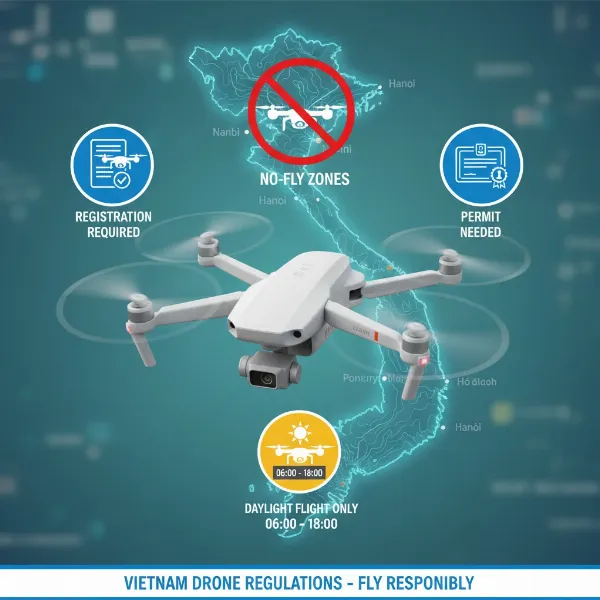 A drone flying over a map of Vietnam with warning signs and regulatory symbols overlayed.
Tips for Using and Maintaining Your Drone
To ensure longevity and safe operation, follow these essential tips:
- Pre-flight Checks: Always inspect your drone for any damage to propellers, frame, or battery before each flight. Ensure batteries are fully charged for both the drone and its controller.
- Choose a Safe Flying Location: Select open areas away from people, animals, buildings, and power lines. Avoid flying near airports or restricted zones.
- Fly in Good Weather: Wind, rain, and extreme temperatures can adversely affect drone performance. Fly in calm, clear conditions to maintain control.
- Regular Maintenance and Cleaning: Keep your drone clean, especially the camera lens and sensors. Replace worn or damaged propellers promptly.
- Proper Storage: Store your drone and batteries in a cool, dry place, ideally in a protective case, to prevent damage and extend battery life.
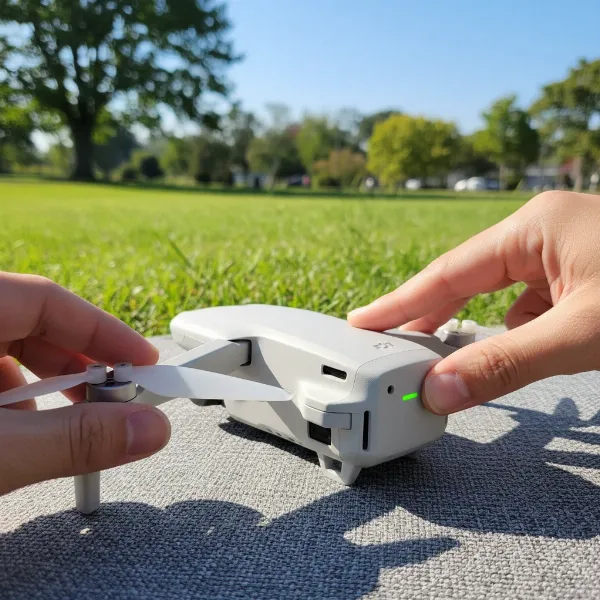 Person performing a pre-flight inspection on a drone, checking propellers and battery in an open field.
Essential Drone Accessories
Enhance your drone experience with these useful accessories:
- Spare Batteries: Extend your flight sessions without waiting for recharges.
- Extra Propellers: Accidents happen; having spare props ensures you’re ready for quick replacements.
- High-Capacity SD Card: Essential for storing high-resolution photos and videos, especially if your drone has a good camera.
- Multi-Charger: Charge multiple drone batteries simultaneously, saving time.
- Carrying Case/Bag: Protect your drone and accessories during transport and storage.
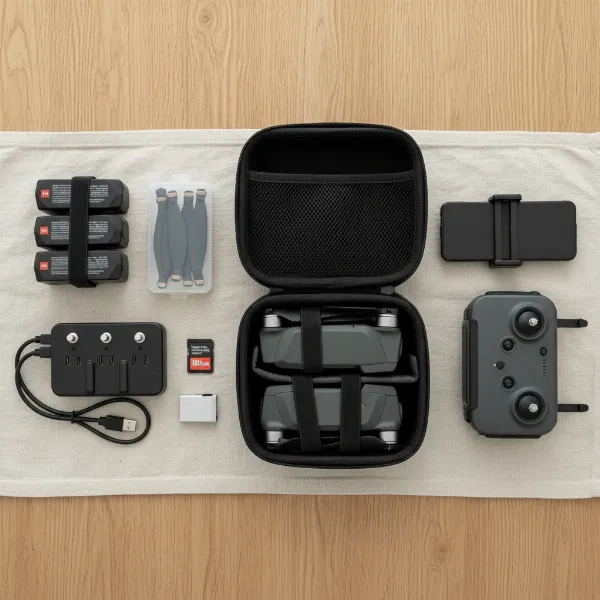 Collection of important drone accessories including spare batteries, propellers, SD card, and carrying case.
“Drones today are more than just toys; they are platforms for learning, creativity, and exploration, opening up a world of possibilities for young, aspiring pilots.” – Admin, DroneEar.com, Drone Industry Expert
Conclusion
Choosing the best drone for a child or teenager involves careful consideration of safety, ease of use, durability, and features like camera quality and flight performance. From simple, robust toy drones to more advanced models with sophisticated cameras and intelligent flight modes, there’s a drone to spark the interest of every young pilot. Remember that while these devices offer immense fun and educational potential, understanding and adhering to local regulations, such as those in Vietnam, is paramount for responsible enjoyment. With the right drone, proper care, and adherence to safety guidelines, the skies are truly open for youthful exploration.
What aerial adventures will your young pilot embark on first?
Frequently Asked Questions
What age is appropriate for a first drone?
Generally, toy drones without cameras are suitable for children aged 8 and up, focusing on basic flight skills and durability. For drones with cameras and more advanced features, a recommended age of 12 or 13 and older is common, ensuring the pilot can understand complex controls and safety protocols.
Do drones for kids need propeller guards?
Yes, propeller guards are highly recommended for drones intended for children and teenagers. They provide a crucial safety feature by protecting fingers from spinning blades and helping to prevent damage to the drone itself during inevitable bumps and crashes, especially when flying indoors or in confined spaces.
Can a beginner teenager fly a DJI Mini series drone?
Absolutely. Drones like the DJI Mini 2 SE or Mini 3 are often recommended for older teenagers and adult beginners due to their intuitive controls, excellent stability, and good camera quality. Their lightweight design also often exempts them from certain registration requirements in some regions, making them more accessible.
What is “altitude hold” and why is it important for kids’ drones?
Altitude hold is a feature that allows a drone to maintain a consistent height without continuous input from the pilot. This stability is crucial for beginners as it frees them to focus on directional control, significantly simplifying the learning process and reducing the likelihood of crashes caused by vertical instability.