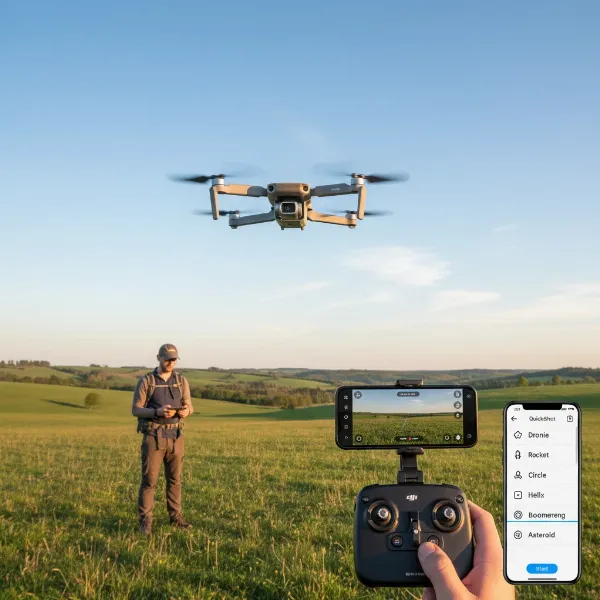
For drone enthusiasts and FPV pilots, the iFlight Nazgul5 series has become synonymous with high-performance freestyle and cinematic flying. This line of drones is renowned for striking a formidable balance between durability, flight performance, and value, cementing its place as a favorite among beginners and seasoned pilots alike. Whether you are carving through the sky with aggressive maneuvers or capturing breathtaking aerial footage, the Nazgul5 offers a platform designed to excel. This comprehensive review delves into the various iterations of the Nazgul5, exploring their unique features, flight characteristics, and helping you determine which model best suits your aerial ambitions.
What is the iFlight Nazgul5? Overview of a Legendary FPV Drone Series
The iFlight Nazgul5 represents a highly popular and continuously evolving series of 5-inch FPV drones. Crafted by iFlight, a leading name in the FPV industry, these drones are engineered primarily for freestyle flying and cinematic capture. They have earned a solid reputation for their robust construction and impressive flight dynamics, making them a go-to choice for pilots seeking reliable performance without the complexities of a custom build. The Nazgul5 line consistently delivers a cohesive package of frame, motors, flight controller, and ESC, often tuned out-of-the-box for immediate and satisfying flight.
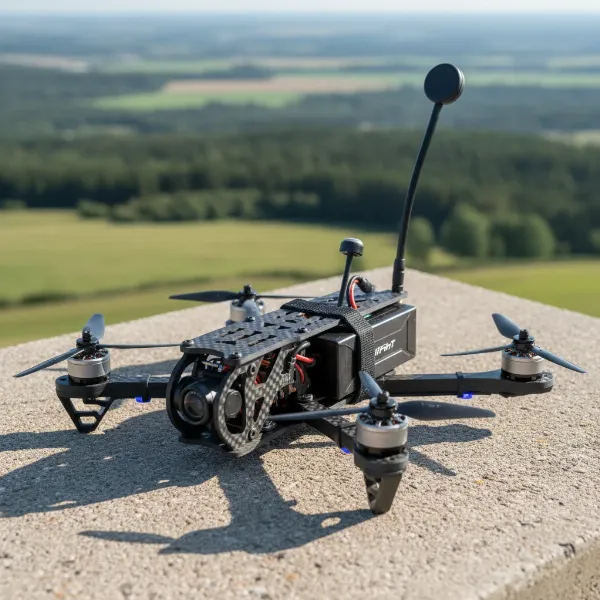 iflight nazgul5 fpv drone on launchpad ready for flight, carbon fiber frame
Evolution of the Nazgul5: V2, V3, and DC5 Eco Explained
The Nazgul5 series has seen several notable iterations, each bringing enhancements and catering to slightly different pilot needs. Understanding the distinctions between the V2, V3, and DC5 Eco models is key to appreciating their strengths.
iFlight Nazgul5 V2
The Nazgul5 V2 quickly established itself as a top-tier Bind-N-Fly (BNF) freestyle FPV drone. It features quality components and a commendable build, arriving well-tuned for immediate flight. This makes it an excellent option for both newer and experienced pilots who prefer to get in the air quickly without extensive setup.
The V2’s frame, the iFlight XL5 V5, is a classic True-X design known for its durability. Its thick 5mm arms are designed to withstand crashes, and readily available spare parts ensure easy repairs. The V2 typically came with XING 2207 LED Edition motors and a SucceX-E F7 flight controller paired with a SucceX-E 45A BLHeli_S 4in1 ESC, offering reliable power delivery. Pilots had options for both 4S and 6S battery configurations, depending on their preference for power and flight characteristics. A minor drawback noted was the absence of a dedicated buzzer, relying instead on DShot Beacon motor beeping for lost drone recovery, which is less audible.
iFlight Nazgul5 V3
The Nazgul5 V3, released more recently, was specifically designed with modern HD Digital FPV systems in mind, such as the DJI O3 Air Unit. This version emphasizes enhanced durability and flexibility for accessory integration.
It boasts a sturdy frame with ample space for installing various components and accessories. The frame includes well-designed TPU parts that not only enhance aesthetics but also offer additional protection. Powering the V3 are XING-E Pro 2207 1800KV motors, typically configured for 6S LiPo batteries, paired with a potent 55A ESC, providing significant punch for demanding freestyle maneuvers. A standout feature is the easily replaceable arms, often requiring the removal of just a single screw, simplifying field repairs. The flight stack is also designed for accessibility, making maintenance straightforward. While optimized for digital FPV, some users reported propellers being visible in the FPV feed and occasional “jello” artifacts in HD footage, particularly with the Avatar HD Pro system.
iFlight Nazgul5 DC5 Eco
The iFlight Nazgul5 DC5 Eco stands out as the most budget-friendly option within the series, often available at a significantly lower price point while still retaining many core Nazgul5 characteristics. It aims to offer excellent value for pilots looking for an affordable yet capable 5-inch FPV drone for freestyle and cinematic applications.
The DC5 Eco features a long body design, ideal for mounting action cameras like a GoPro and accommodating larger LiPo batteries. Despite its lower price, it offers impressive build quality and a minimalist design, shedding unnecessary weight while maintaining structural integrity. Unlike the V2, the ECO version includes a buzzer as a standard feature, a welcome addition for many pilots. It is equipped with the same reliable Xing E Pro 2207 1800KV motors found in the V3, ensuring consistent power. However, the FPV camera on the DC5 Eco is somewhat exposed to damage in crashes, a consideration for aggressive pilots.
Performance and Flight Characteristics
The iFlight Nazgul5 series is renowned for its exceptional flight performance, a crucial factor for any FPV drone.
When it comes to freestyle capabilities, all Nazgul5 variants deliver. They offer impressive agility and power, allowing pilots to execute complex tricks and maneuvers with precision. The out-of-the-box tuning on models like the V2 is particularly noteworthy, providing a smooth and responsive flight experience with minimal “prop wash” – a phenomenon that can plague less refined drones. This means pilots can typically fly the Nazgul5 straight from the box without needing to spend hours tweaking PID settings.
For cinematic potential, the Nazgul5 models, especially the DC5 Eco with its long body and integrated GoPro mount, are well-suited. They offer stable flight characteristics that, with proper piloting, can yield incredibly smooth and captivating aerial footage. While the V3 was designed with HD digital FPV in mind, some users have noted challenges with “jello” effects in certain HD camera setups, which might require additional vibration dampening for perfectly smooth shots.
Long-range considerations are also a strength for the Nazgul5. The ample space available on frames like the V3 and DC5 Eco allows for mounting high-capacity LiPo batteries, extending flight times significantly. This, combined with efficient motors, makes them capable cruisers, ideal for exploring larger areas or performing extended cinematic flights. The ability to install a GPS module further enhances their long-range capabilities, offering features like return-to-home.
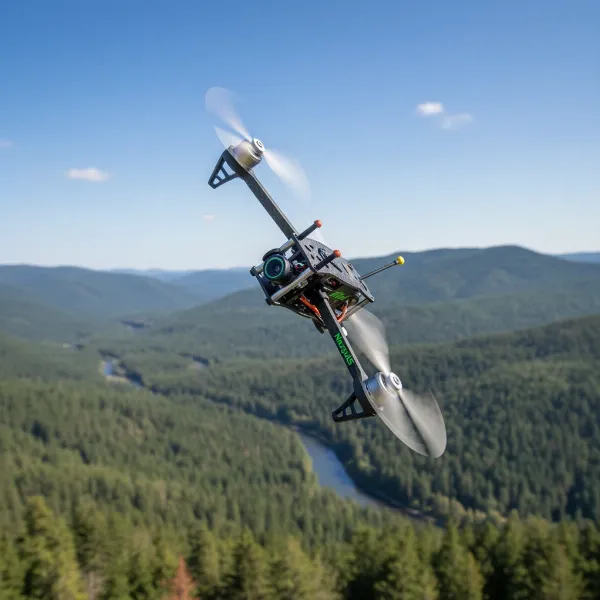 iflight nazgul5 drone performs acrobatic flight over scenic landscape
Pros and Cons: A Balanced Perspective
Understanding the strengths and weaknesses of the iFlight Nazgul5 series is essential for making an informed decision.
Advantages:
- Durable Frame and Arms: Across the series, the Nazgul5 frames, such as the XL5 V5, are known for their robust carbon fiber construction and thick arms, designed to withstand the inevitable impacts of FPV flying.
- Excellent Flight Performance and Tuning: Many models, especially the V2, come expertly tuned from the factory, providing a smooth, responsive, and powerful flight experience with minimal prop wash. This saves pilots significant time and effort.
- Versatility: The Nazgul5 is a highly versatile platform, equally adept at aggressive freestyle maneuvers, smooth cinematic cruising, and even venturing into mid-to-long-range flights.
- Good Value for Money: Even top-tier BNF versions like the V2 offer excellent value, packing high-quality components and build into a competitive price point. The DC5 Eco further pushes the affordability envelope.
- Ease of Maintenance and Spare Parts Availability: Common design elements, such as easily replaceable arms (V3) and accessible flight stacks, simplify repairs. iFlight also offers a good supply of spare parts, which is crucial for FPV drones.
- Optimization for Digital FPV (V3): The V3 is purpose-built to integrate seamlessly with modern HD digital FPV systems, offering a cleaner build and optimized mounting.
Disadvantages:
- Propellers Visible in FPV Feed: A common characteristic of the True-X frame design used in the Nazgul5 (particularly the V3) is that the propellers can be visible in the FPV camera’s field of view. While some pilots don’t mind this, others prefer an unobstructed view.
- Camera Exposure (DC5 Eco): On the more budget-oriented DC5 Eco, the FPV camera is somewhat exposed, increasing its vulnerability in hard crashes.
- Lack of Dedicated Buzzer (V2): The Nazgul5 V2 notably lacked a dedicated loud buzzer, relying on less audible motor beeping for drone recovery, which can be a significant drawback in dense foliage or over long distances. (Note: The DC5 Eco includes one).
- Potentially Fragile USB Connector (V2): Some V2 users reported issues with the micro USB connector on the flight controller being fragile and prone to breaking.
- Steep Learning Curve for Absolute Beginners: While “beginner-friendly” in terms of tuning, a 5-inch 6S FPV drone like the Nazgul5 is powerful. New pilots might find the initial experience overwhelming without extensive simulator practice or by using a throttle limiter.
- Potential “Jello” in HD Footage (V3 with certain cameras): Despite anti-vibration measures, some users of the V3 with specific HD camera units have reported “jello” effects in recorded footage.
Choosing Your Nazgul5: Which Version is Right for You?
Selecting the right iFlight Nazgul5 variant depends heavily on your experience level, budget, and primary flying goals.
For absolute beginners, the consensus among many experienced pilots is to invest significant time in an FPV simulator before flying a powerful 5-inch drone. If you decide to start with a Nazgul5, models like the V2 (if still available) or the DC5 Eco offer an excellent entry point due to their balanced performance and value. Consider using a throttle cap in Betaflight to tame the power initially. Some might even recommend starting with a smaller 3-inch drone to learn the ropes.
Freestyle enthusiasts who demand raw power and responsiveness will likely gravitate towards the Nazgul5 V3. Its robust 6S setup with a 55A ESC provides the necessary punch for aggressive maneuvers, and its optimization for digital HD FPV delivers an immersive, high-definition piloting experience.
Cinematic pilots looking to capture stunning aerial visuals will find the DC5 Eco an attractive option. Its longer body design is well-suited for mounting a full-size GoPro, and its inherent stability makes it a great platform for smooth, sweeping shots. While the V3 can also serve this purpose, the ECO’s balance of features and affordability often makes it a more practical choice for dedicated cinematic work.
Ultimately, your budget considerations will play a significant role. The DC5 Eco offers the most affordable entry into the Nazgul5 family, providing substantial performance without breaking the bank. The V2 sits in the middle, offering a solid all-around package, while the V3, especially in its fully built digital FPV configuration, represents a higher-end investment.
Essential Accessories and Upgrades
To maximize your iFlight Nazgul5 experience, a few key accessories and potential upgrades are highly recommended:
- LiPo Batteries: Crucial for flight, you’ll need several reliable 4S or 6S LiPo batteries, depending on your drone’s configuration. Carrying multiple batteries is essential for extended flight sessions.
- Spare Propellers: Props are the most frequently damaged parts in FPV flying. Always carry multiple sets of spare props.
- Spare Arms: While durable, arms can break in severe crashes. Having spare arms on hand minimizes downtime.
- Battery Charger: A good quality LiPo charger is vital for safely and efficiently charging your drone batteries.
- FPV Goggles: Depending on your drone’s VTX (analog or digital), you’ll need compatible FPV goggles for the immersive flying experience.
- Radio Transmitter: A reliable radio transmitter (controller) is necessary to pilot your drone. Many pilots prefer OpenTX/EdgeTX radios for their customization options.
- Buzzer (if not included): If your Nazgul5 model (like the V2) doesn’t have a loud dedicated buzzer, consider adding a self-powered one, such as a Vifly Finder Mini, for easier recovery after a crash.
- GPS Module: For long-range flights or added safety features like “return to home,” a GPS module is a valuable upgrade, especially for models with a mounting spot.
- Action Camera Mount: While some Nazgul5 versions include a basic mount, upgrading to a specialized TPU mount for a GoPro or similar action camera can provide better protection and vibration isolation for cinematic footage.
Tips for Flying and Maintaining Your iFlight Nazgul5
Owning an iFlight Nazgul5 is just the first step; proper care and flying practices will ensure longevity and enjoyment.
Always perform pre-flight checks before every session. This includes inspecting propellers for damage, ensuring battery straps are secure, checking all screws for tightness, and verifying that your radio and FPV feed are working correctly.
Choosing a safe flying location is paramount. FPV drones are fast and powerful, requiring ample open space away from people, animals, and obstacles. Adhere to local regulations regarding drone flight, especially in populated areas. Always fly in good weather conditions, avoiding strong winds, rain, or extreme temperatures, which can adversely affect performance and safety.
Regular maintenance and cleaning are crucial. After each flight, inspect your drone for any loose wires, bent props, or frame damage. Clean any dirt or debris from motors and electronics to prevent overheating or malfunction. Finally, store your drone and batteries correctly. Keep batteries at storage voltage when not in use and store them in a fire-safe bag. Protect your drone from dust and physical damage when transporting or storing it.
Conclusion
The iFlight Nazgul5 series has firmly established itself as a benchmark in the 5-inch FPV drone market, offering an impressive blend of performance, durability, and versatility. From the robust and well-tuned Nazgul5 V2 to the digital FPV-optimized V3 and the highly affordable yet capable DC5 Eco, there’s a Nazgul5 for almost every pilot’s needs and budget. With their strong frames, powerful components, and excellent flight characteristics, these drones empower pilots to push the boundaries of freestyle FPV and capture stunning cinematic moments. Whether you’re making your first foray into 5-inch FPV or seeking a reliable workhorse for your flying adventures, the Nazgul5 demands consideration.
Are you ready to experience the thrill and precision that an iFlight Nazgul5 can bring to your FPV journey?
Frequently Asked Questions
Is the iFlight Nazgul5 good for beginners?
While the iFlight Nazgul5 is often described as “beginner-friendly” due to its excellent out-of-the-box tuning, its powerful 5-inch size makes it less forgiving than smaller drones. It’s highly recommended for beginners to spend extensive time practicing in an FPV simulator first. Using a throttle limiter in Betaflight can also help new pilots gradually get accustomed to its power.
What is the difference between Nazgul5 V2 and V3?
The primary differences lie in their design focus and components. The Nazgul5 V3 is optimized for modern HD Digital FPV systems like the DJI O3 Air Unit, often featuring a 6S-only setup and a more accessible build for maintenance. The V2 was a top-tier BNF with solid analog and digital options, known for its durable frame and out-of-the-box tune, but typically lacked a dedicated buzzer and had some reported USB fragility.
Can I use a GoPro with the Nazgul5?
Yes, all iFlight Nazgul5 models are designed to accommodate an action camera like a GoPro. The DC5 Eco, in particular, features a long body ideal for mounting a GoPro for cinematic footage, and many versions come with or are compatible with dedicated TPU mounts for secure attachment and vibration dampening.
What batteries should I use for my Nazgul5?
The recommended battery type depends on your specific Nazgul5 model and motor KV. The Nazgul5 V2 typically supports both 4S and 6S LiPo batteries (with corresponding motor KVs), while the V3 is generally configured for 6S only. Always match your battery voltage to the drone’s specifications for optimal performance and safety.
Is the iFlight Nazgul5 durable?
Yes, the iFlight Nazgul5 series is generally considered very durable. Its carbon fiber frame, especially the thick arms on models like the V2 and V3, is designed to withstand significant impact. While any FPV drone can break in a severe crash, the Nazgul5’s robust construction and the availability of spare parts contribute to its longevity.